China’s recent state visit, involving President Xi Jinping’s first visit to the United States in over a decade, brought temporary trade peace but did not resolve deeper issues concerning China’s naval ambitions. During the visit, Xi Jinping walked a red carpet in Washington, met with President Donald Trump at Joint Base Andrews, and participated in troop reviews, a state dinner, and discussions on artificial intelligence. Despite these formalities, the central concern remains the looming expiration of a trade truce, set for January 10, and the growing tension over Taiwan.
Trade Truce and Military Concerns
During the visit, President Xi urged President Trump to handle Taiwan with caution and oppose its independence. The discussions also touched upon rare-earth minerals critical for military technology. China holds a significant portion of these resources, essential for missiles, drones, and warships. However, no substantial agreement was reached, with the White House stating a commitment to address supply vulnerabilities. Meanwhile, China’s naval advancement continues at a rapid pace, raising questions about sustainability.
China’s Naval Growth: A Challenge in the Making
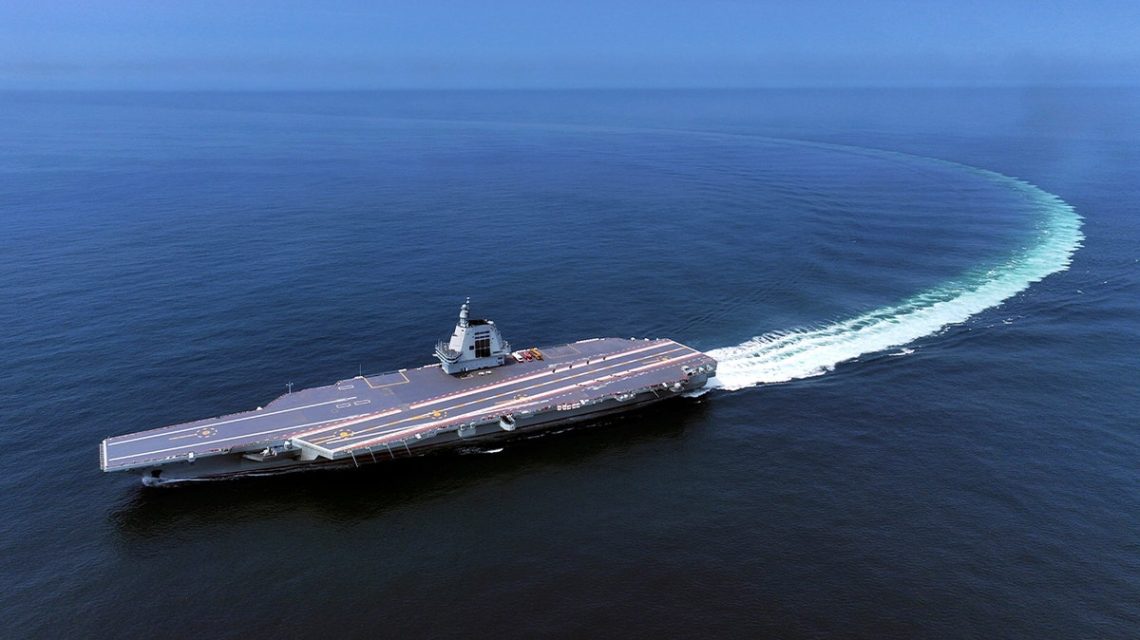
China’s production of warships, including destroyers, frigates, and aircraft carriers, has surged, exemplified by the Fujian carrier’s sea trial. The primary challenge lies not in building this fleet but in maintaining it post-2031. Operational costs often constitute 60% to 70% of a ship’s lifecycle expenses. The People’s Liberation Army Navy has invested heavily in new ships, but maintenance demands will clash with new production needs. Local fiscal systems already show signs of strain, with land sales, a major income source, declining.
Economic Pressures and Historical Parallels
Historically, Germany faced similar pressures with its military buildup in the 1930s, concealing debt through phony notes. By late 1938, Germany had to cut arms spending or face bankruptcy, leading to plundering neighboring nations to avoid insolvency. While China does not operate a Mefo scheme, its local financing vehicles aim at infrastructure, not military secrecy. Like Germany, China faces a maturity date where its naval force will demand more financial resources than before.
Rare-Earth Strategy: A Mistimed Move?
China still refines the majority of the rare-earth magnets used in U.S. and allied weaponry. Beijing has tightened licenses and blacklisted American firms initiating mines and magnet plants. This strategy aims to delay Western rearmament while China completes its naval buildup. However, the U.S. is actively reducing dependency on Chinese magnets and enhancing supply chain security. By 2031, this vulnerability will be significantly diminished, reducing China’s leverage.
Strategic Implications and Future Moves
President Xi’s visit generated diplomatic pageantry but brought little substantive change regarding Taiwan or mineral agreements. The temporary extension achieved during the visit underscores the transient nature of this diplomatic engagement. With centralized power and a newly launched fleet, China faces mounting operational costs that will intensify within five years. Xi is running short on time, urging the U.S. to reinforce its strategic position.
 Russia Criticizes U.S. Military Base Proposal in Lithuania
  Trump’s Influence in Latin America’s Elections
  Strategic Silence Marks Flávio Bolsonaro’s Presidential Campaign
  U.S. Monitors Russian Plague Scare
  Poland Prepares for Potential Conflict
  Current Developments in the Iran Conflict and the Impact on Oil Markets