President Donald Trump finds joy in watching his preferred candidates achieve victory in elections, particularly within Latin America. Over the past 18 months, right-wing candidates have prevailed in seven presidential elections across this region. Trump played an influential role in many of these outcomes, notably in Honduras, where he strongly hinted at cutting U.S. aid unless his favored candidate won. In Argentina, he promised a substantial $20 billion currency deal as an incentive for voters to support Argentine President Javier Milei in the legislature.
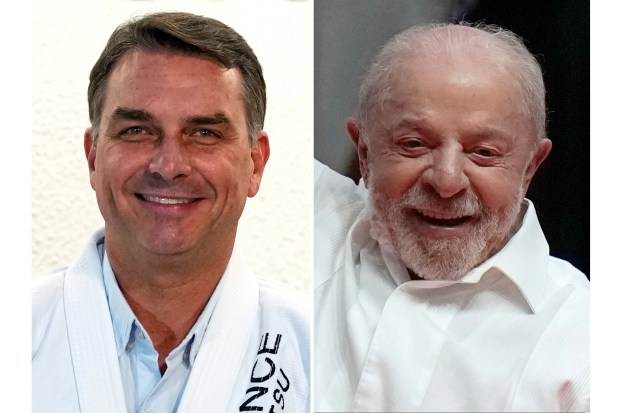
Trump expressed satisfaction, stating, “everybody I’ve endorsed has won… a lot of wins; we’re winning a lot.” His influence is evident in Brazil, where the recent elections showed former President Jair Bolsonaro’s son, Flávio Bolsonaro, receiving 47.03% of the vote, while President Luiz Inácio Lula da Silva garnered 45.16%. This outcome necessitates a second round, scheduled for October 25.
Flávio Bolsonaro is favored to win, given the support from other right-leaning candidates. Lula, on the other hand, faces a challenge in swaying moderate voters to his side. The U.S.-Brazil relationship has seen tension, particularly between Trump and Lula. Biden’s administration was concerned about Bolsonaro’s environmental policies and his divisive rhetoric.
The disagreements extend to foreign policy. Trump’s administration emphasizes America’s leadership in the Western Hemisphere, a stance Lula views as imperialistic. Brazil aims to strengthen ties globally, reducing dependence on a single nation. Their contrasting approaches led to economic tensions, including Trump’s tariff imposition on Brazilian goods as a response to Brazil’s legal actions against Bolsonaro.
In dealings with Brazil, Trump has employed economic measures, levying tariffs and designating criminal organizations as foreign terrorist groups. His administration’s efforts to impact election integrity drew criticism from Lula, aggravating diplomatic strains. Despite the lack of a formal endorsement, Trump’s preference for Flávio Bolsonaro over Lula is clear.
Looking ahead, Flávio Bolsonaro’s policies reflect Trump’s interests, including the Shield of the Americas coalition and aligning Brazil’s foreign policy with Western interests. Trump’s desire for an ally like Venezuela’s leadership in Brazil may face challenges due to the Brazilian president’s potential independence. Regardless of the election outcome, there are uncertainties in fulfilling Trump’s political aspirations.
Daniel DePetris, a fellow at Defense Priorities, provides insight as a foreign affairs columnist.
 Key Developments in U.S. Political Races and Policies
 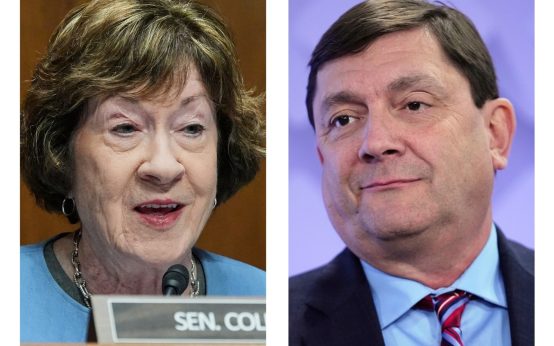 Collins and Jackson Neck-and-Neck in Maine Senate Race
  Understanding the Appeal of White Nationalism Among Young White Men
  Strategic Silence Marks Flávio Bolsonaro’s Presidential Campaign
 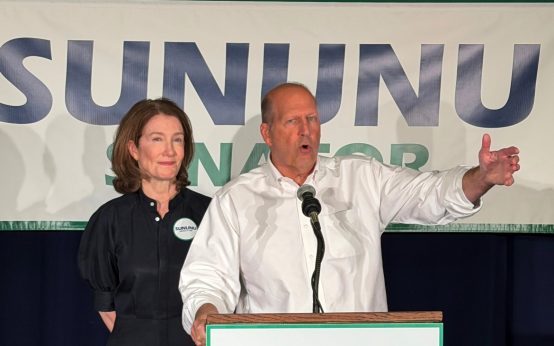 Tightening Race for New Hampshire Senate Seat
  U.S. Monitors Russian Plague Scare