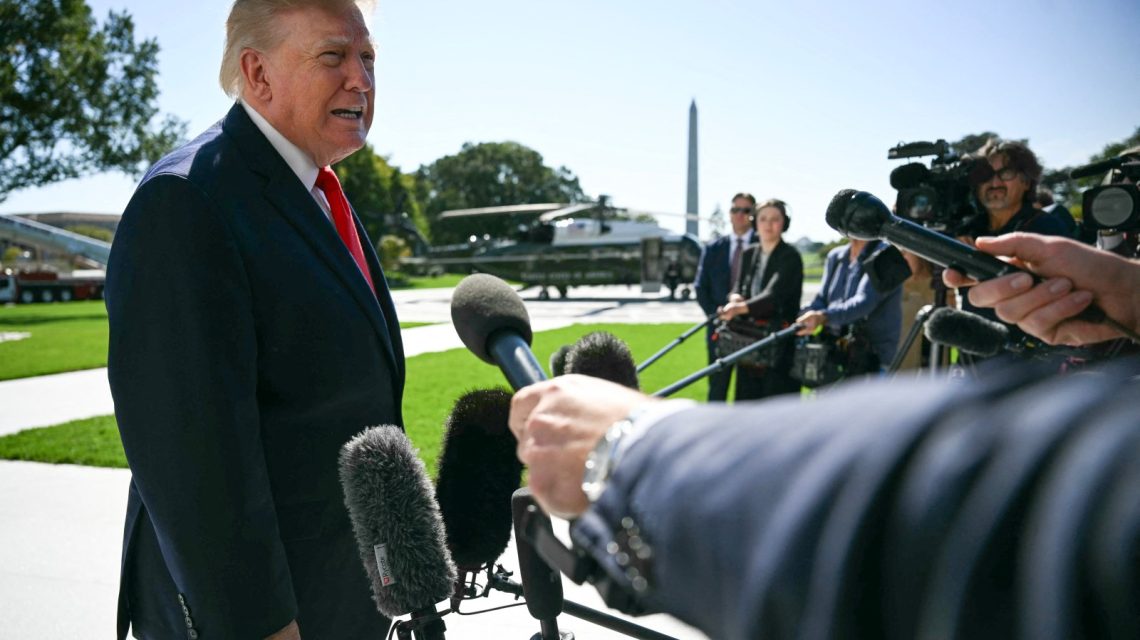
President Donald Trump is drawing criticism from Republican lawmakers after waiving key measures in a Russia sanctions law he signed last month. The move raises concerns about undermining efforts to put pressure on Moscow.
On Friday evening, Trump signed an executive order waiving crucial sanctions and tariffs meant to push Russia to cease its war in Ukraine that began in February 2022. This decision prompted disapproval from lawmakers across both parties, as well as Ukrainian President Volodymyr Zelensky, while earning praise from a senior Russian official.
Republicans React to Trump’s Decision
Republican Senator Thom Tillis of North Carolina labeled the decision “beyond irresponsible.” He questioned why the administration fails to enforce a law passed by the Senate with an 86-11 vote. Representative Don Bacon of Nebraska criticized the President’s action, stating it prolongs the war rather than ending it. The legislation, named after the late GOP Senator Lindsey Graham of South Carolina, aims to increase pressure on Moscow by targeting Russian officials, banks, and the network transporting Russian oil and gas amidst the ongoing conflict.
Senator John Cornyn of Texas also censured the decision, expressing that Lindsey Graham would be appalled. Governor Kevin Stitt of Oklahoma warned that the proposal risks extending the war in Ukraine without significantly lowering fuel prices.
White House Response
White House spokeswoman Taylor Rogers suggested Trump successfully negotiated a deal to supply the global market with substantial diesel amounts, reducing prices. Lowering prices for farmers, truckers, and families remains a priority as the President urges both sides of the Russia-Ukraine conflict to avoid strikes on refineries, which drive up costs and harm consumers.
Newsweek contacted the White House for further commentary on the decision. Patrick Casale, senior adviser to Nevada GOP chairman Michael McDonald, defended Trump’s decision as part of a broader effort to lower fuel prices, including the recent diesel deal, and possibly encouraging negotiations.
Details of Trump’s Sanctions Order
Trump enacted the Lindsey O. Graham Sanctioning Russia and Iran Act of 2026 on September 18. The Friday executive order waives several sanctioned provisions and additional tariffs authorized under the law. The order permits waiving applications of sanctions, restrictions, and duties under the Graham Act, submitted to Congress as certification asserting national interests.
The law authorizes a 500 percent tariff on Russian imports, subject to exceptions, along with potential 100 percent tariffs on goods from the five largest importers of Russian crude oil and natural gas for new purchases on or after October 18. Moreover, it provides 100 percent tariffs on goods from top facilitators of Russian oil sanctions evasion. The waiver means these additional duties, set to take effect Sunday, are not automatically imposed while in effect.
International Reactions
Trump assured collaboration with Russia and Ukraine’s leaders to end the conflict, emphasizing the need to stop the killings. During a United Nations General Assembly address, he referred to the sanctions law granting him significant new tariff authorities, noting he would use them if necessary.
Zelensky criticized the decision, highlighting America’s disregard for legislation meant to enforce real pressure on Russia. He pointed out Russian attacks on Ukraine’s energy sector targeting over 15 power facilities, resulting in casualties.
A special envoy to Russian President Vladimir Putin commended Trump’s decision, marking it as a historic moment. The waiver exacerbates tensions between Washington and Kyiv over the administration’s stance regarding Russia, especially its initiatives to increase energy supplies amid lower fuel price aspirations.
Democratic Condemnations
Senate Minority Leader Chuck Schumer accused Trump of providing Putin with economic support, characterizing the waiver as a detrimental deal with Putin. Senator Richard Blumenthal condemned the move, accusing Trump of aiding Moscow and eroding ally relations.
Trump’s waiver follows an agreement with Putin to enhance diesel supply to U.S. and global markets, aiming to curb rising energy prices.
Lawmakers from both political sides dispute easing Russian energy restrictions, fearing additional revenue for Moscow while the war against Ukraine continues. Tillis joined bipartisan senators urging Trump to revoke the agreement, arguing it compromises American security interests and betrays Ukraine’s defense efforts.
Newsweek’s reporters and editors employed Martyn, AI assistant, for story development. Learn more here. Contact Newsweek editors for this story: Steve Mollman and Anthony Murray.
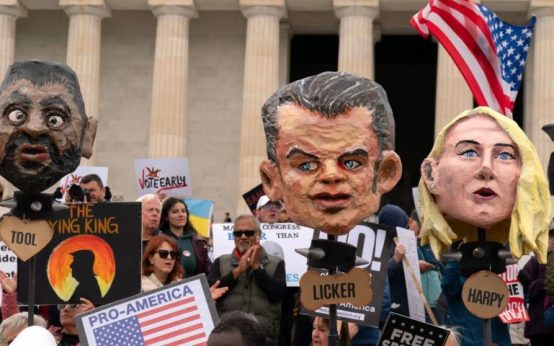 Nationwide ‘No Kings’ Protests Mobilize Ahead of Early Voting
  Advocating for Guaranteed Income as a Solution for Affordability
  Thousands to Join ‘No Kings’ Rallies in Southern California
 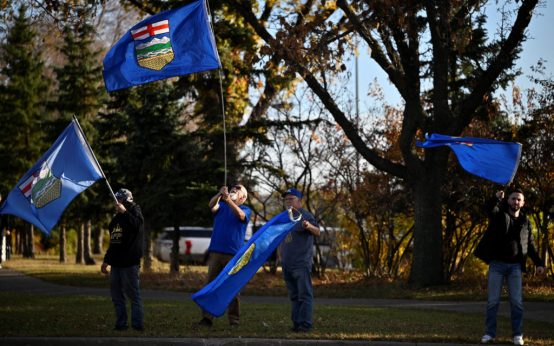 Alberta’s Path to a Referendum on Separation Sparks Debate
  Analyzing Switzerland’s Fiscal Model and Wealth Tax
 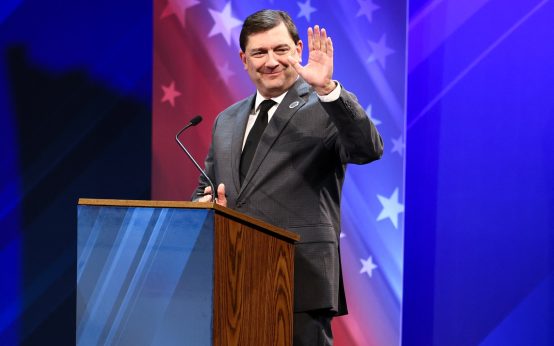 Maine Senate Race: Jackson Outraises Collins