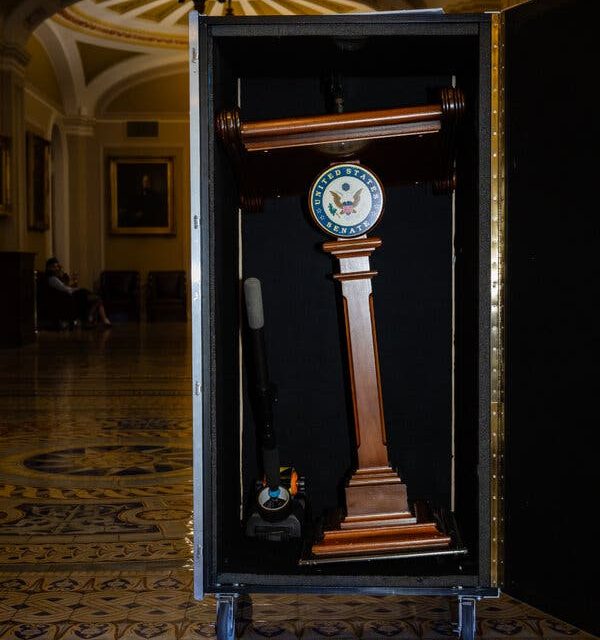
Political speeches can inspire hope about the future. However, in California’s governor race, speeches have taken a backseat. Instead, the campaign is marked by scandals, ads, debates, and viral moments. This creates a paradox where you feel informed yet know little about the candidates.
Consider the candidates: Steve Hilton, a Fox News personality critical of big government; Tom Steyer, a billionaire advocating progressive policies; Xavier Becerra, whose extensive government service is a point of contention; and Katie Porter, known for her direct style. The question remains, where do they aim to lead us?
Notably, speeches once played pivotal roles in American politics. In 1964, Ronald Reagan, then a former actor, delivered “A Time for Choosing” on national television. His speech revamped conservatism and led to his rise to the governorship and eventually the presidency. Similarly, Barack Obama’s speech at the 2004 Democratic National Convention framed liberalism and multiracial solidarity as a unifying force, leading to his 2008 victory.
Reagan and Obama brought their parties from challenging times to political success not just through policy but through storytelling about American identity. History reveals that American speeches influence and reshape the nation by persuading and mobilizing audiences.
Today, technology alters how we receive information. Radio valued clear explanations, while TV emphasized charisma. The internet, however, presents fierce competition for attention. Social media now sorts people into polarized groups, consuming political speeches in snippets meant to provoke responses. Artificial intelligence further perpetuates this cycle without human involvement.
 Jay Clayton Appointed as White House AI Czar
 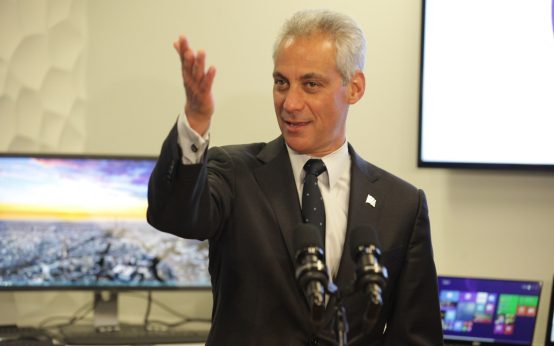 Debate Over Democratic Socialism Intensifies Within Democratic Party
 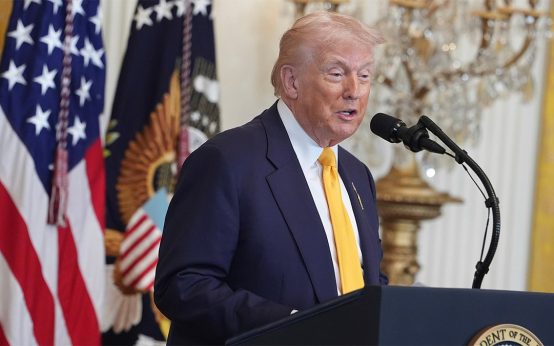 Latino Voters Show Less Support for Trump and GOP
 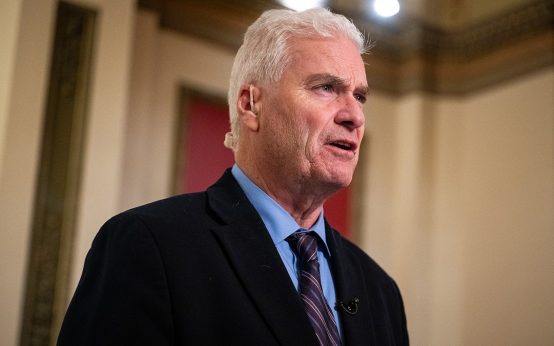 Rep. Emmer Criticizes Far-Left Democrats, Rallying Support for GOP
  Latino Men Shift Away from Trump Ahead of Midterms
  Jonathan Turley: Left Demonizes Supreme Court