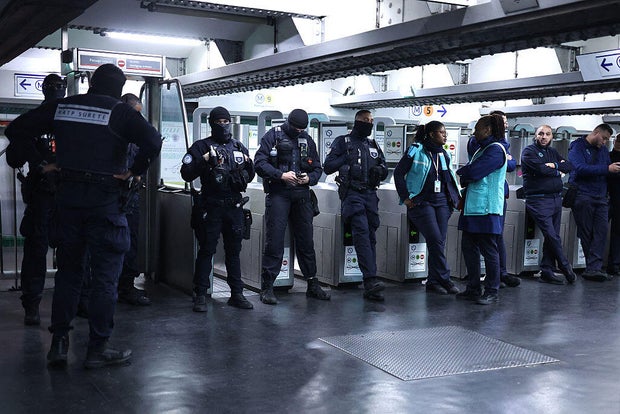
By October 20, 2026, France faced an escalation in measures to address the civil unrest that spread throughout the nation. French authorities increased police presence and expanded curfews as President Emmanuel Macron’s government sought to regain control. This action was necessitated by riots that resulted in the destruction of buildings and widespread looting. Despite these efforts, resolving the underlying issues fueling the protests seemed challenging.
Curfews and Policing
Prime Minister Sébastien Lecornu announced a significant increase in police deployment in anticipation of the demonstrations scheduled for October 24. Interior Minister Laurent Nuñez previously admitted to underestimating the unrest, which led to a loss of control in several cities. Consequently, more than 2,500 individuals were taken into police custody by the following Monday, as reported by Justice Minister Gérald Darmanin. The violence included the burning of Limoges’ historic town hall.
The government imposed overnight curfews around key locations like Paris’ Place de la République and Les Halles shopping district. Similar measures were introduced in Lyon and other cities. On Monday night, Paris and Lyon reported no major incidents, leading authorities to extend the restrictions further.
President Macron addressed the nation, differentiating between peaceful protestors advocating for enhanced education and work conditions, and the rioters. He held radical, far-left groups and criminals responsible for the violence, vowing accountability for those attempting to undermine the republic.
Underlying Political and Economic Issues
The protests, initially sparked in mid-September by high school students and teachers in Paris’ suburbs, called attention to overcrowded classrooms and resource shortages. These concerns expanded to include demands for relief from rising living costs, drawing in trade unions and Yellow Vest activists. The movement’s scope widened to criticize the perceived decline in public services.
In response, the government announced plans to introduce over 3,000 substitute teachers and authorize additional hires. Nevertheless, financial strain and political stalemate complicate more extensive reforms. France’s public debt reached 3.6 trillion euros by June end, representing 119% of its annual economic output. The government projected an annual deficit at 5.4% of economic output, seeking a reduction to 5% by 2027. Interest payments were expected to increase by 12 billion euros next year, reducing funds available for public services.
Macron’s political position lacked parliamentary majority, adding to the difficulties. The adoption of the current year’s budget arrived only in February after bypassing a final vote and overcoming two no-confidence motions. Recent polls showed Macron’s approval at 15%, while opponents like Marine Le Pen led public support in preliminary matchups.
With the French presidential elections set for April, determining Macron’s successor emerges as a significant concern. Candidates such as Marine Le Pen, Édouard Philippe, and Jean-Luc Mélenchon position themselves for the upcoming contest.
 Poland’s Support for Ukraine: A Complex Reality
 Trump Administration’s Approach to AI Regulation
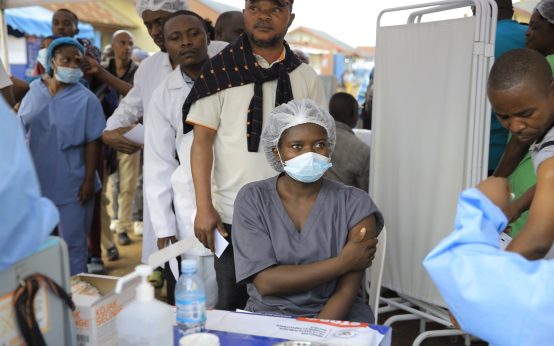 Ebola Outbreak in Africa: Current Situation and Responses
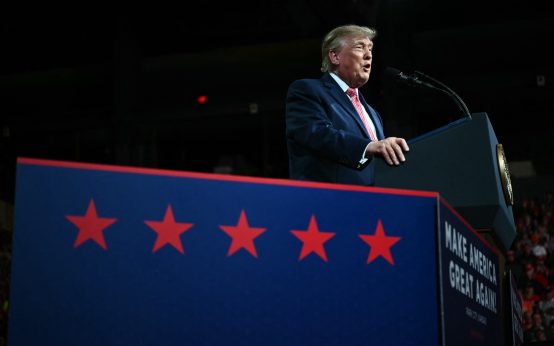 Spending Surge Shapes Midterm Elections
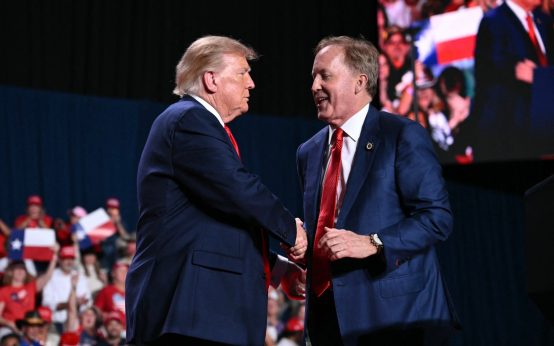 Trump’s Campaign Tour and Its Effects on Texas Senate Race
 Debate Over U.S.-Israel Relationship and Its Impact on Michigan Senate Race