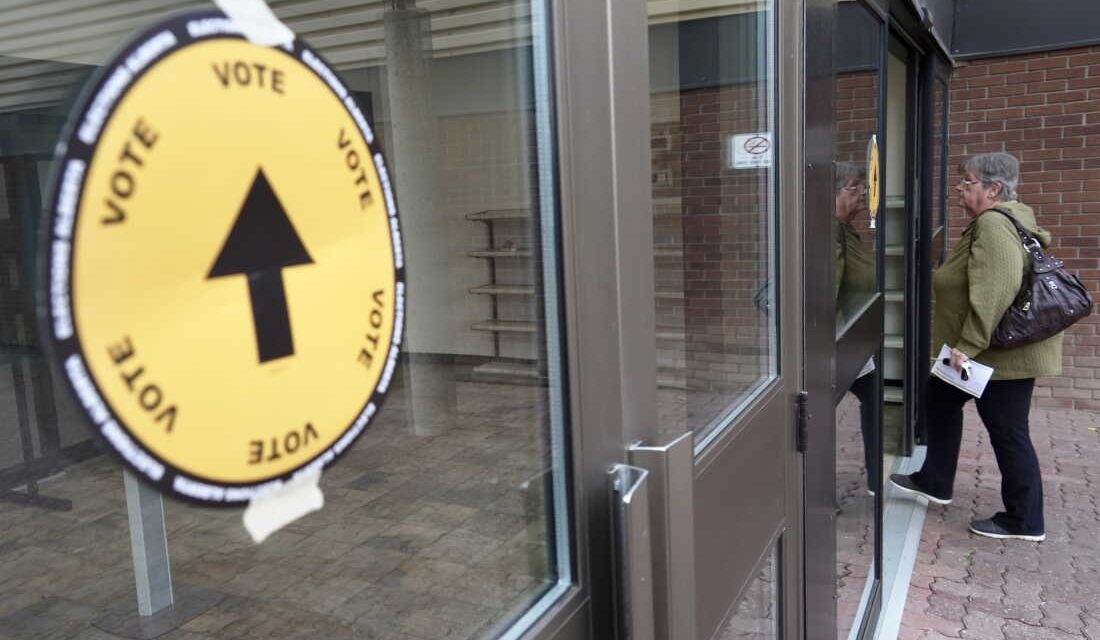
EDMONTON, Alberta — In a significant referendum, voters in Alberta have chosen to remain a part of Canada, delivering a message of national unity amid external challenges. According to early results from Elections Alberta, 77% of voters supported staying within Canada, while 23% preferred to explore separation.
Though the referendum was not a direct vote on independence, approval would have initiated steps toward a future separation. Prime Minister Mark Carney responded to the results, stating, “Albertans made a clear choice. They chose unity, to build together, and to take care of each other. Above all, Albertans chose Canada.”
Carney emphasized that the results would enable Canadians to focus on diversifying trade, advancing infrastructure projects, and positioning Canada as a global energy leader with Alberta at the core.
The vote held particular importance due to ongoing tensions from U.S. President Donald Trump’s trade activities and annexation threats. Carney had previously encouraged Albertans to make a decisive vote for unity, acknowledging the potential impact on Canada’s future.
Despite the overwhelming support for unity, separatists found encouragement in the results. Keith Wilson, a leader of the separatist initiative, noted, “At least a quarter of Albertans feel that Alberta should be treated better.”
Premier Danielle Smith expressed satisfaction with the results, stating that Albertans had chosen a stronger presence within a united Canada. Having called the referendum under pressure from separatists, she planned to address Alberta’s future that evening.
Late openings led to extended voting hours at over 100 polling stations, causing a delay in results. Alberta, known for its large oil reserves and conservative culture, is often seen as more aligned with the American West than other parts of Canada. While federal resentment runs deep, it typically hasn’t resulted in strong independence movements.
Former deputy premier Thomas Lukaszuk, a supporter of the “Forever Canadian” campaign, reiterated the nation’s unity, “We are a solid country that’s united from coast to coast to coast.”
The separatist movement gained momentum during COVID-19 restrictions and opposes perceived mistreatment by Canada’s federal government. Jeff Rath, a separatist leader, aimed for 30% support for separation and criticized the United Conservative Party’s leadership, hinting at future party divisions.
Local voter Dustin Degenhardt expressed unease over Alberta’s treatment as a “colony” by Canada’s government, while Taylor MacIsaac supported separation from a conservative rural perspective. Contrarily, Dave Malka of Edmonton criticized the referendum’s expense amid federal challenges posed by President Trump.
At a rally, Albertan Jake Graham hoped the vote conclusively ends debates on separation, wishing for prolonged unity. “I hope this squashes this for a long time to come and that it’s clear and decisive, that these grumblings disappear for a while and we can be a united Canada,” he voiced, embodying the sentiment of many in the province.
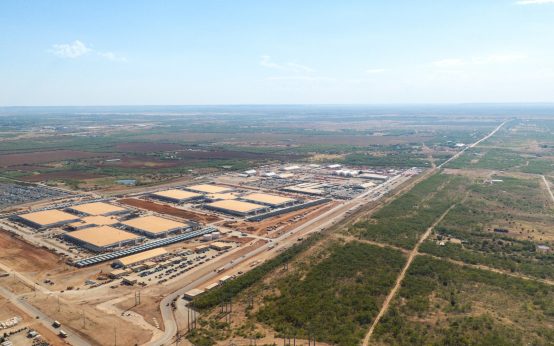 Texas Data Centers: Water Use Reporting and Political Implications
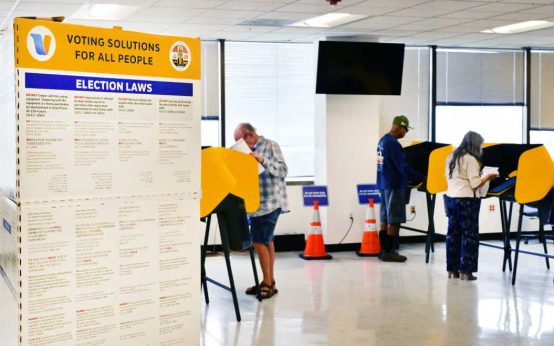 Justice Department Charges Noncitizens in California Election Dispute
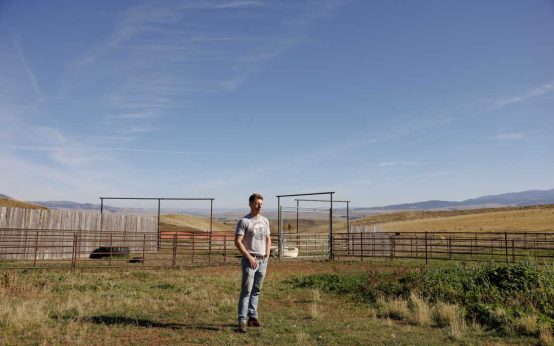 Democratic Candidates Aim to Reclaim Political Ground in Montana
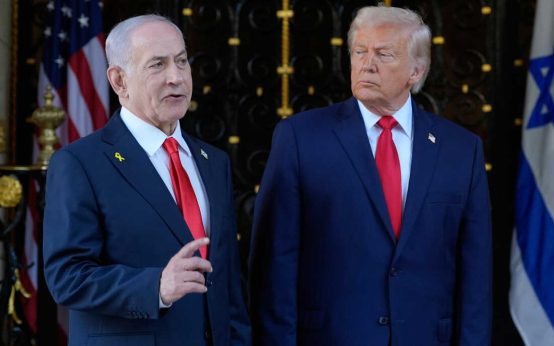 Trump Endorses Netanyahu Amid Israeli Election Campaign
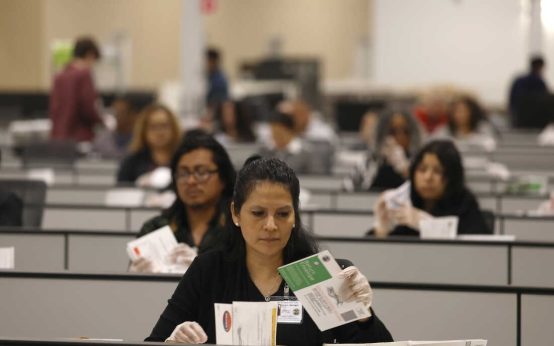 Challenges of Vote Counting and Delayed Election Results
 The Role and Challenges of the White House Press Secretary