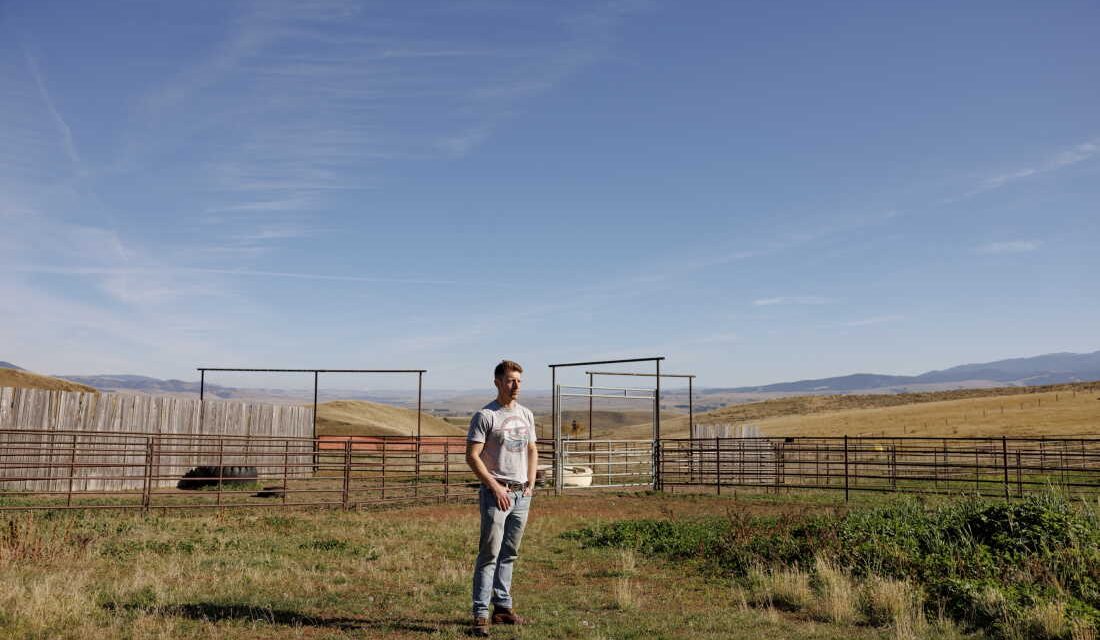
Sam Forstag, a former U.S. Forest Service smokejumper, poses for a portrait on October 7, 2026, at a ranch outside Drummond, Montana. He is attempting to capture a House seat in Montana’s 1st congressional district. Forstag is capitalizing on voter anger to promote a brand of economic populism reminiscent of previous Democratic successes in non-coastal areas.
Across regions from the Great Plains to the Deep South, Democratic candidates are tapping into the discontent with corporate power and both political parties. They believe this strategy could help them reclaim territories lost in elections past. In Montana, Forstag draws on his personal experiences of economic stress to connect with voters, citing his previous role as a smokejumper earning $19 an hour while facing steep local housing prices.
Forstag’s dissatisfaction stemmed partly from cuts President Trump made to nearly 400 Forest Service jobs in Montana, while Forstag served as his union’s vice president. Despite attempts to reach Republican Congressman Ryan Zinke, Forstag received no response, prompting him to challenge Zinke’s seat. Zinke’s retirement has created a vacancy in the district covering Yellowstone to Glacier National Parks, which Trump won by a large margin in 2024, but is now considered competitive.
The district’s political landscape has altered due to several factors. Wealthy newcomers have driven Montana’s housing market into one of the nation’s most unaffordable, intensified by rising costs of groceries, gas, and health insurance. Former Senator Jon Tester notes the Democratic brand faces hurdles in Montana, yet believes that factors like the Iran war’s impact and escalating costs could prompt voter reconsideration.
Struggles with Democratic Branding
Tester reflects on the tarnished Democratic brand in Montana, recalling a time when voters regularly elected members from both parties. Populist rhetoric focused on challenging cultural elites and immigration favored Trump in 2016, leaving Democrats struggling to maintain presence. Tester managed to secure support from split-ticket voters for years but lost reelection in 2024.
The Montana landscape, marked by golden aspen trees and expansive fields, recounts a history where Democratic ideas once had strong roots. Tester believes many Democrats have abandoned between the Appalachians and Rockies, yet sees opportunity as Trump-era policies spike fertilizer and fuel prices, potentially swaying voters.
Populism’s Influence on Campaigns
Sam Forstag engages farmers and ranchers on local issues, appreciating the intrinsic bond people working with animals have with life’s challenges. Forstag criticizes superficial messaging strategies focused on affordability and seeks genuine change by altering political representation in decision-making rooms.
Running as a populist, Forstag aims to recalibrate the power dynamic between Washington decision-makers and everyday citizens. He commits to serving the community and addressing practical concerns, such as hunger and economic hardship.
His campaign attracts endorsements across Democratic factions, from progressive figures like Alexandria Ocasio-Cortez to moderates from the Blue Dog Caucus.
Historical Context and Contemporary Impact
This year’s candidates in various states identify with prairie populism—a nod to the political movement of the late 19th century uniting farmers and workers against corporate monopolies. Georgetown University professor Michael Kazin explains that this identity taps into broader anti-establishment sentiments, unifying diverse groups that may disagree on specific Democratic priorities.
In Kansas, Democratic Senate candidate Adam Hamilton utilizes allegory from the Wizard of Oz, emphasizing fundamental human values missing in the current U.S. Senate. Candidates across states are similarly focusing on local economic challenges, opposing corporate influence, and reinforcing populist messages.
Potential Shifts in Voter Sentiment
As Forstag navigates Montana’s political landscape, Republican opponents like Aaron Flint voice promises to restore affordability. Flint challenges Forstag’s populist image, highlighting connections to liberal figures like Ocasio-Cortez, while warning of potential tax increases under Democratic leadership.
Voter skepticism remains, exemplified by Nicholas Babcock, who expresses disappointment with Trump’s second term. Open to changing his mind, Babcock engages with Forstag’s campaign, hoping for authenticity and commitment to voters.
This narrative reflects a wider movement within Democratic ranks as candidates leverage populism to engage voters, challenge existing structures, and compete in traditionally Republican areas. Collaboration among reporters in key states like Nebraska, Kansas, and Iowa contributed to this analysis.
 France’s Social and Fiscal Challenges Reach a Tipping Point
 Texas Data Centers: Water Use Reporting and Political Implications
 Justice Department Charges Noncitizens in California Election Dispute
 Trump Endorses Netanyahu Amid Israeli Election Campaign
 Challenges of Vote Counting and Delayed Election Results
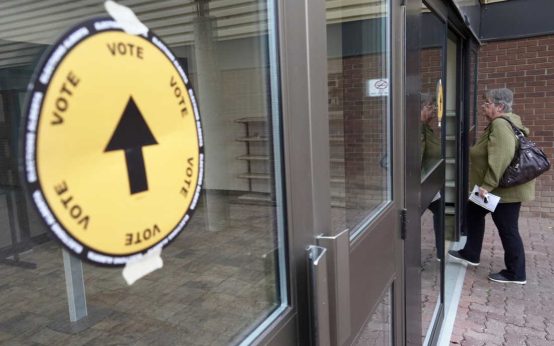 Alberta Votes to Remain Part of Canada, Supporting National Unity