Geneva — The World Health Organization (WHO) has announced that the Ebola outbreak in the Democratic Republic of Congo (DRC) presents a serious risk at the national and regional levels, but poses a low risk globally. Despite ongoing investigations into its origins, the outbreak likely started several months ago, according to WHO experts.
The outbreak has not reached the pandemic emergency threshold, per the UN health agency’s emergency committee. WHO Director-General Tedros Adhanom Ghebreyesus stated, “The epidemic risk is high nationally and regionally, but low globally.” In the DRC’s eastern provinces, Ituri and North Kivu, 51 cases have been confirmed. However, Tedros acknowledged, “We know the scale of the epidemic in DRC is much larger.”
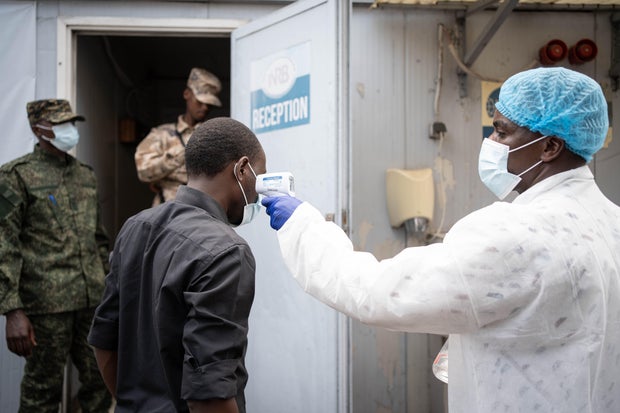
A medical worker conducts Ebola screenings in Goma, DRC, May 19, 2026. The virus has spread to neighboring Uganda, with two confirmed cases in Kampala, including a death, and one U.S. national working in the DRC has tested positive and been moved to Germany for treatment. Dr. Peter Stafford, an American, was evacuated to Germany and is under medical care, as reported by the missionary group Serge.
“Several factors warrant serious concern about the potential for further spread and deaths,”
Tedros warned. He added, “Beyond the confirmed cases, nearly 600 suspected cases and 139 suspected deaths have occurred. We anticipate these numbers will increase given the delay in detecting the outbreak.”
Public Health Emergency Response
On Sunday, Tedros declared the situation a public health emergency of international concern, the second-highest level of alert under the International Health Regulations (IHR). This prompted emergency responses globally. The WHO emergency committee reviewed the outbreak on Tuesday. Chair Lucille Blumberg from South Africa stated, “The criteria for a public health emergency of international concern are met, but the situation does not satisfy the criteria for a pandemic emergency.”
Investigation and Response Efforts
WHO technical officer Anais Legand explained that investigations are focused on determining the virus’s duration in eastern DRC. “Considering the scale, it likely began a couple of months ago. Our priority is to halt transmission through contact tracing, isolation, and care of suspects and confirmed cases,” she emphasized.
Response to U.S. Criticism
U.S. Secretary of State Marco Rubio criticized the WHO for delays in identifying the outbreak. President Trump initiated America’s withdrawal from the WHO, expressing dissatisfaction with its handling of the COVID-19 pandemic. Public health experts cautioned that reducing U.S. involvement could hinder global health initiatives, particularly in low-income nations.
Responding to Rubio’s criticism, Tedros remarked, “The secretary’s statement might reflect a misunderstanding of IHR operations and WHO’s role. The agency supports countries, not replaces them in outbreak responses.”
 British Police Arrest Man Suspected of Terror Plot
 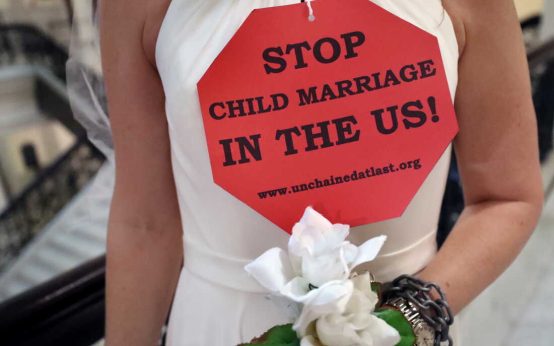 Activists Push for Nationwide Ban on Child Marriage in the U.S.
  Investigation into Alleged Incident at Cornell University
  Rising Drone Threats Highlight Vulnerabilities in Moldova’s Airspace Defense
  Bolivia Faces Security Test Amid Unrest
 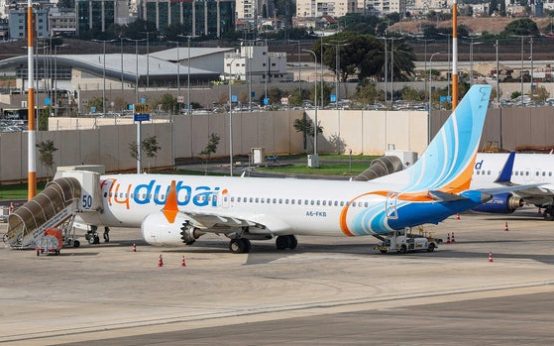 Incident on FlyDubai Flight Raises Security Concerns