
Global warming is causing a decrease in oxygen levels in rivers, which poses a threat to aquatic life. A recent study conducted by researchers in China has highlighted this concerning trend. Using satellites and artificial intelligence, scientists analyzed oxygen levels in more than 21,000 rivers worldwide since 1985. The study, published in Science Advances, revealed a drop of 2.1% in oxygen levels since 1985. Though this initial decline may seem minor, its accumulation and potential acceleration could lead to severe consequences.
Rivers in the Eastern United States, India, and tropical regions face significant risks. They might lose enough oxygen by the end of the century, potentially resulting in dead zones where fish cannot survive. Environmental scientist Qi Guan from the Chinese Academy of Sciences explained the basic chemistry and physics behind this phenomenon.
“Warmer water holds less oxygen,” Guan noted. Human-driven climate change is responsible for warming waters, which subsequently release more oxygen into the atmosphere. If the current rate of oxygen loss persists, rivers globally could experience an additional 4% decline in oxygen levels by the century’s end.
The occurrence of dead zones, like those seen in the Gulf of Mexico, Chesapeake Bay, and Lake Erie, may increase. These areas, characterized by low oxygen levels, are detrimental to fish and other aquatic creatures. University of Arizona geoscientist Karl Flessa underscored the slow process of deoxygenation.
“A future of more stinky dead zones, especially during heat waves,” Flessa warned. Even minor changes can push vulnerable rivers into “the danger zone.”
According to the study, regions like India, the Eastern United States, and the Amazon are particularly vulnerable. Earlier studies indicated that the Ganges River was losing oxygen more than 20 times faster than the global average. Current projections suggest that even with moderate emissions scenarios, significant reductions in oxygen levels could occur.
Tropical rivers, including the Amazon, are of particular concern. Dead zone days in the Amazon have increased by an average of nearly 16 days per decade since 1980. Marc Bierkens from Utrecht University noted a rise in oxygen stress and dead zone occurrences by several days each decade.
The study identified various factors contributing to oxygen loss, with 63% attributed to warmer water. Nutrient pollution from fertilizers, urban runoff, and dam construction also play significant roles. Emily Bernhardt, a Duke University ecologist, emphasized the urgency of addressing water pollution.
“As rivers warm, the pollution problems become more severe,” Bernhardt stated.
Efforts to reduce water pollution are now more critical than ever, although warming rivers pose additional challenges in achieving this goal.
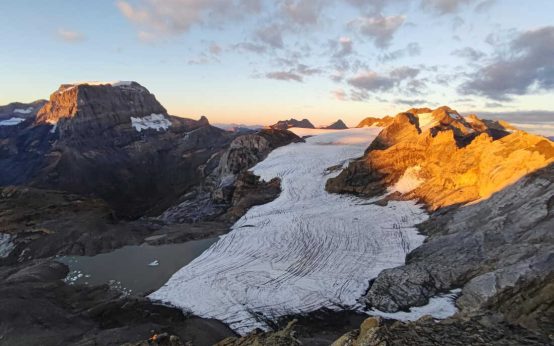 Swiss Glaciers Show Effects of Ice Loss Amid Global Warming
  Climate-Resistant Rock Glaciers: Hidden Water Resources
  Senators Reach Bipartisan Agreement on Permitting Reform
  Experts Warn of Critical Period for the Colorado River
  Future Cities: Ambitious Projects Aiming for Innovation and Sustainability
  Supreme Court Case Suncor vs. Boulder: Implications for Accountability in Climate Change