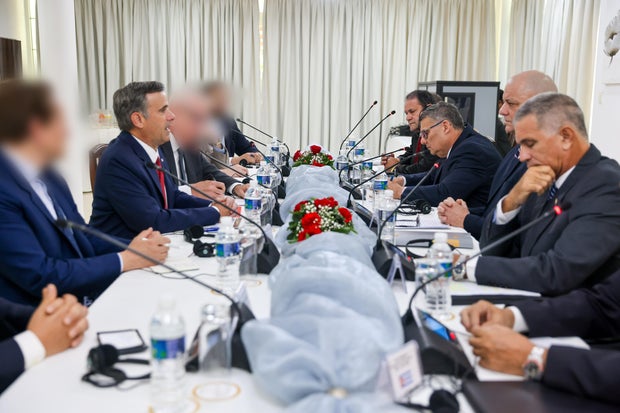
CIA Director John Ratcliffe visited Havana last week, conducting a rare meeting with senior Cuban officials. He was accompanied by a U.S. mission operator involved in capturing former Venezuelan leader Nicolás Maduro earlier this year. Sources familiar with the matter informed CBS News of this development.
Before Maduro’s arrest, Venezuela and Cuba maintained an alliance. The Cuban government reported that 32 of its military and police officers were killed during the January operation to capture Maduro. Ratcliffe made a notable introduction by presenting the paramilitary leader to Cubans as the individual responsible for the deaths of their people in Venezuela. This gesture could have been intended to convey a specific message.
The CIA offered no comment on the visit. Prior to this meeting, Cuba faced significant pressure. The U.S. administration threatened heavy tariffs on countries exporting oil to Cuba, resulting in severe fuel shortages. Secretary of State Marco Rubio emphasized the need for substantial economic and political changes in Cuba. President Trump suggested the possibility of a “friendly takeover” of Cuba, a notion that has challenged American administrations since the island’s shift to communism in 1959. Secretary Rubio highlighted Cuba’s ties with Venezuela, noting the Cuban influence within Venezuela’s intelligence agency.
A CIA official stated that Ratcliffe conveyed to Cuba the U.S.’s readiness to discuss economic and security issues, contingent upon Cuba implementing fundamental reforms. Ratcliffe’s visit included a meeting with Raúl Rodriguez Castro, the grandson of Raúl Castro. Shortly after, an indictment was unsealed against the elder Raúl Castro in the U.S. federal court, charging him with murder and conspiracy for downing two planes in 1996.
This meeting underscores a Cold War backdrop that has long defined U.S.-Cuba relations. Many Cuban officials likely recall previous American attempts to destabilize Fidel Castro’s government, such as the Bay of Pigs invasion and Operation Mongoose. This complicated history still affects current U.S.-Cuba ties.
Rubio also remarked that Cuba possesses weapons supplied by Russia and China and provides a base for their intelligence presence. Ratcliffe discussed security issues with Cuban officials, framing that Cuba should not remain a sanctuary for adversaries in the region. According to CBS News, the U.S. intelligence community is analyzing potential Cuban responses to American military actions, while confirmation has been made of Cuba acquiring attack drones.
Cuban President Miguel Díaz-Canel Bermúdez asserted that Cuba poses no threat to the U.S., but he cautioned against a potential “bloodbath” if U.S. military strikes occur. This report includes contributions from Olivia Gazis.
 The Threat of Melting Glaciers: A Call to Action
 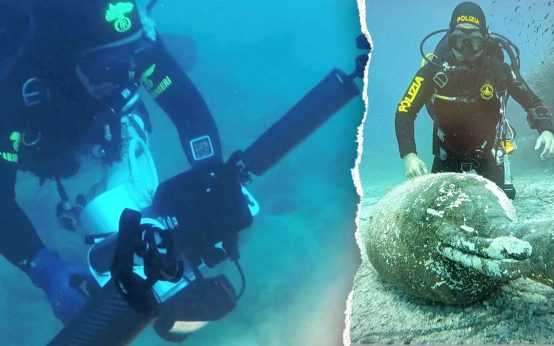 Police Discover Ancient Roman Artifacts Off Sardinian Coast
 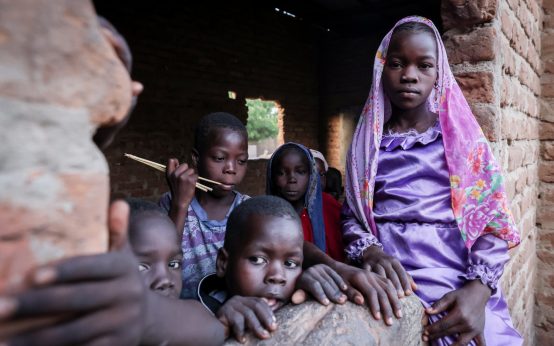 Urgent Need for Action in East Africa’s Food Crisis
 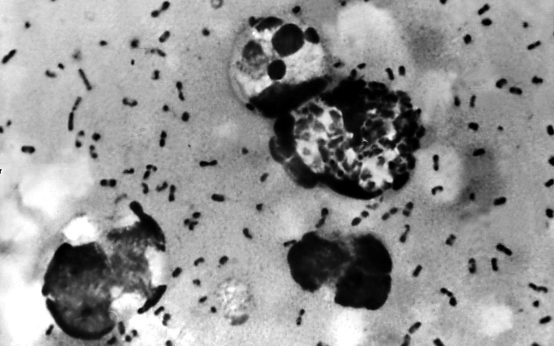 Suspected Plague Death in Siberia Sparks Health Measures
 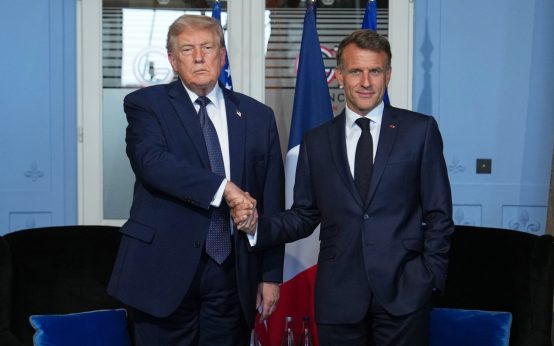 G7 Nations Agree to Release 100 Million Barrels of Oil Amid Fuel Price Surge
  Co-Pilot Attempts Hijack on Flight to Tel Aviv