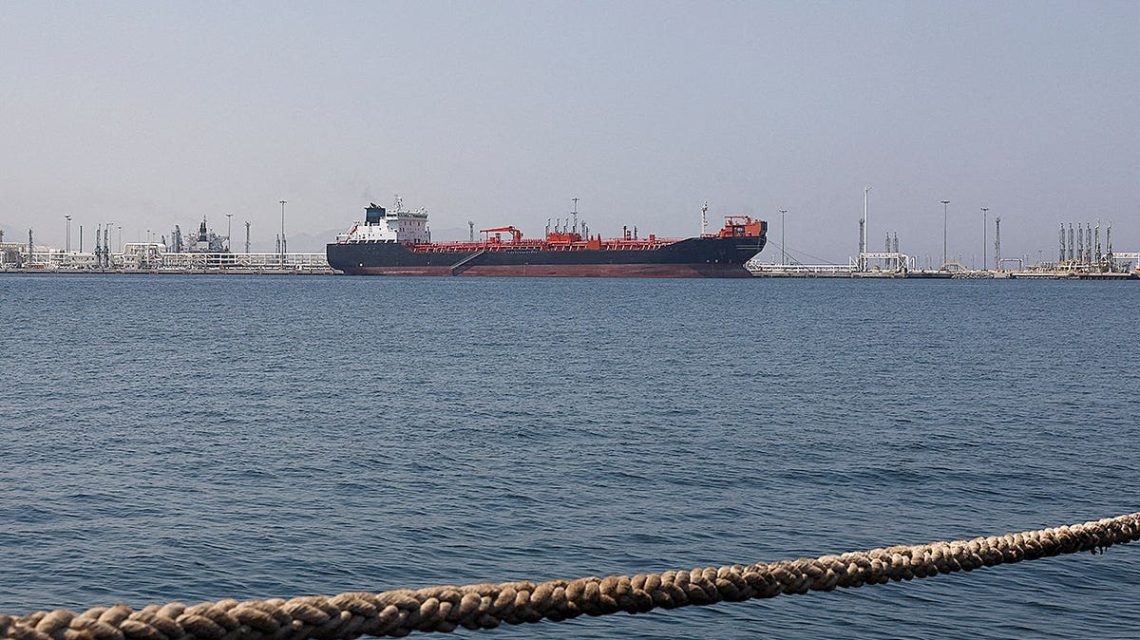
President Donald Trump has expressed his firm stance on keeping the Strait of Hormuz free from tolls, challenging Iran’s control over the maritime zone. The U.S. maintains this control through blockade efforts, while economic sanctions and diplomatic negotiations with Gulf allies exert pressure on Iran’s nuclear initiatives and regional activities.
Maritime Disruption and Diplomacy
An AI maritime firm reported a collapse in maritime tracking transmissions near the UAE’s primary oil hub. This disruption occurred before President Trump revealed progress in a bilateral peace deal with Iran. Windward AI identified a blackout in Automatic Identification System (AIS) transmissions near Fujairah, suggesting increased electronic warfare or intentional shutdowns. This raised concerns among Gulf shipping operations.
“Fujairah experiences a collapse in AIS transmissions following Iran’s PGSA announcement,” Windward reported.
Despite the blackout, vessels in the area continued operations, albeit with reduced loading activities.
Recent Developments in Persian Gulf Shipping
Following Trump’s announcement of a largely negotiated Iran deal, Fujairah managed to move 1.35 million barrels of crude to South Korea, signaling a potential return to activity. However, uncertainties persisted due to the ongoing ceasefire and blockade preparations.
Trump also indicated that a memorandum of understanding with Tehran regarding a peace agreement had been finalized, sharing an AI-generated image of military activities in the strait.
Iran’s Stance and Strategic Actions
Iran responded by asserting its control over the Strait of Hormuz, emphasizing its sovereignty over maritime regulations and transit routes. Iran’s Persian Gulf Strait Authority (PGSA), managed by the Islamic Revolutionary Guard Corps (IRGC) Navy, demands compliance from ships passing through the strait, including providing detailed information and payments.
“Iran retains complete control over the Strait of Hormuz, with all maritime decisions resting in Tehran’s hands,” stated Iran’s military spokesperson, Ibrahim Al-Fiqar.
Regional analysts noted Iran’s territorial claims extending beyond its regional waters, affecting areas linked to Oman and the UAE.
U.S. Strategic Response and Implications
Alex Vatanka from the Middle East Institute described Iran’s strategy as relying on the IRGC Navy’s tactics, including fast boats and drones. This aims to make Gulf nations acknowledge Iranian oversight as part of the geopolitical landscape.
While nuclear issues are central to current talks, the PGSA has emerged as a significant economic tool influencing global oil markets. Vatanka highlighted the system as a wartime leverage measure, creating pressure without closing the strait entirely.
“Noncompliant ships face delays, surveillance, and potential denial of safe passage, prompting compliance without blocking the strait,” Vatanka warned.
Emma Bussey, a journalist with Fox News Digital, contributed reporting on these developments.
 Mayor Mamdani Responds to Netanyahu’s United Nations Speech
  Iowa Senate Race: Attendance Records in Focus as Hinson and Turek Square Off
  Justice Alito Discusses Supreme Court Decisions and Criticism
  Investigation Reopened in Allegations Against Education Board Candidate Hilario Dominguez
  Court Dismisses Case Against Noncitizen in Voting Charge
  Spending Trends in the Most Expensive Election Cycle