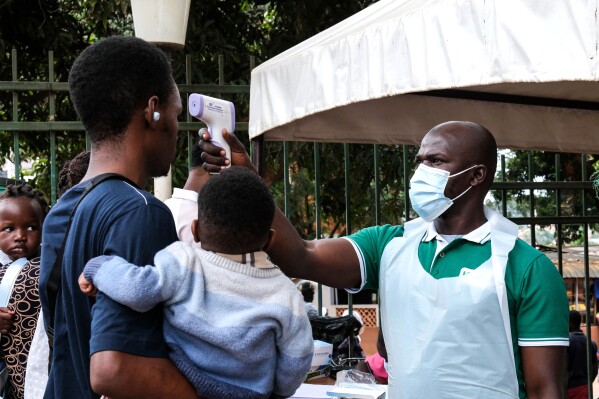
Eastern Congo is grappling with a significant Ebola outbreak, intensified by arson attacks on treatment centers. These incidents highlight the substantial difficulties authorities encounter, including community backlash, in managing this crisis that has been declared a global health emergency. The destruction of treatment centers in two central towns exposes the frustration in a region plagued by violence from armed rebel groups, displacement of large populations, the malfunctioning of local governance, and a reduction in international aid, all of which have weakened healthcare in vulnerable areas.
Continuous Threat of Violence
For years, Eastern Congo has experienced attacks from various rebel and militant groups, some linked to foreign nations or the extremist group Islamic State. The M23 rebels, supported by Rwanda, control parts of the region, while the Congolese government tenuously maintains control over the northeastern Ituri Province, the Ebola outbreak’s epicenter. The Allied Democratic Forces, a Ugandan Islamist group associated with IS, is a dominant rebel group responsible for civilian attacks. Doctors Without Borders notes that insecurity in Ituri has worsened, causing medical staff to flee and leaving health facilities overwhelmed in some areas.
Mass Displacement and Fragile Health Infrastructure
The U.N. humanitarian office reports nearly one million people displaced in Ituri due to conflict. This displacement complicates the Ebola response as the outbreak unfolds in already vulnerable communities. Concerns rise about the disease reaching large displacement camps near Bunia, where initial cases were reported. Authorities have noted over 700 suspected Ebola cases and more than 170 deaths, primarily in Ituri, but cases have also surfaced in North Kivu, South Kivu, and even neighboring Uganda. The outbreak’s management involves the government, rebel authorities, and various aid agencies.
Impact of International Aid Cuts
Health experts argue that last year’s international aid reductions by the United States and other nations have severely impacted Eastern Congo’s capacity to detect and respond to infectious outbreaks. According to Thomas McHale, public health director at Physicians for Human Rights, the aid cuts diminished the ability to handle multiple challenges. Aid groups on the ground report a lack of essential equipment such as protective gear for health workers, testing kits, and necessary materials for safely burying victims, which are crucial for preventing further disease spread. Julienne Lusenge of Women’s Solidarity for Inclusive Peace and Development highlighted the scarcity of resources, noting reliance only on basic supplies like hand sanitizer and masks.
Community Anger and Distrust
Incidents of arson in Rwampara and Mongbwalu, areas with high Ebola cases, reflect deep-seated skepticism and anger in local communities. Colin Thomas-Jensen of the Aurora Humanitarian Initiative suggests these attacks could be a response to a history of violence and neglect by foreign-linked rebel groups, ineffective government, and unmet expectations from international peacekeepers. Additionally, strict burial protocols for Ebola victims, which authorities control to prevent traditional funeral practices that risk spreading the virus, have caused further unrest. A reported burning of an Ebola center in Rwampara involved local youth attempting to retrieve a friend’s body, accusing foreign aid groups of misinformation.
Authorities in northeastern Congo have since prohibited funeral wakes and gatherings exceeding 50 people. Armed soldiers and police are now securing burials conducted by aid workers to ensure safety and compliance with health protocols.
 Early Detection of Atherosclerosis and Heart Disease Prevention
  Church Attendance Linked to Increased Sexual Satisfaction for Married Couples
  Dining with Loved Ones May Benefit Blood Sugar Levels
 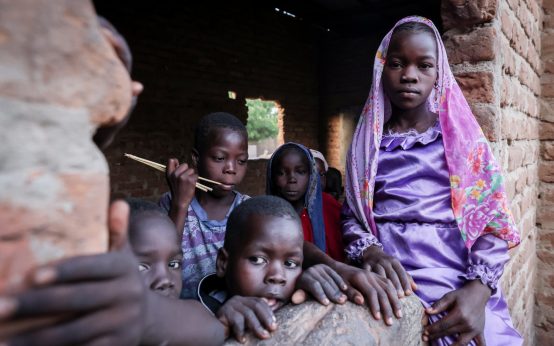 Urgent Need for Action in East Africa’s Food Crisis
  Facing Terminal Illness: Embracing Life’s Moments
  Eating with Partners May Impact Blood Sugar Regulation