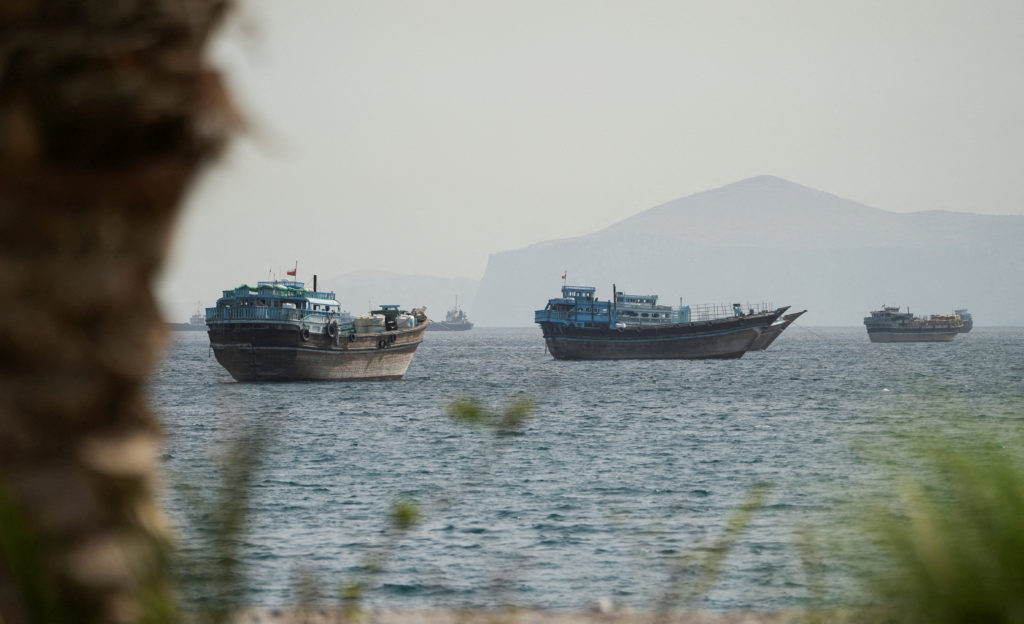
The United States and Iran are close to striking an agreement to put an end to the ongoing war and reopen the strategic Strait of Hormuz. President Donald Trump announced on Monday that negotiations are “proceeding nicely.” However, he warned that if no agreement is reached, the conflict may resume.
While the specifics of the deal and its implementation timeline remain uncertain, Trump held discussions with Middle Eastern allies, including Israel, over the weekend. These details were confirmed by two regional officials and a U.S. official who requested anonymity due to the negotiations’ sensitive nature.
A key player in the negotiations, an Iranian delegation led by parliament speaker Mohammad Bagher Qalibaf, traveled to Qatar on Monday. Qalibaf previously engaged in significant face-to-face talks with Vice President JD Vance in Pakistan last month. Here’s what we know and don’t know:
The War Would End
Over the past 12 weeks, since the U.S. and Israel’s military actions that resulted in the death of Iran’s Supreme Leader Ayatollah Ali Khamenei and other officials, Iran has been firm on focusing any agreement on ending hostilities. This includes conflict in Lebanon with the Iranian-backed Hezbollah fighting Israel. A tenuous ceasefire has been in place since April 7.
Ending the war would calm regional concerns, especially in areas where Iranian missiles and drones targeted Gulf states and travel hubs such as the United Arab Emirates. Reopening the Strait of Hormuz would enable roughly 20% of the world’s oil to flow again, along with allowing for the rebuilding of energy and other critical infrastructure in the region.
Draft Deal Components
The draft of the deal reportedly includes the cessation of conflict between Israel and Hezbollah, and a commitment to non-interference in the domestic affairs of regional countries. This refers to Iran’s backing of groups like the Houthi rebels in Yemen, Hamas in Gaza, and Shiite armed groups in Iraq. The U.S. wishes for Israel to respond to perceived threats in Lebanon freely, a proposition that Iran rejects. The U.S. official mentioned that the deal would ensure Israel’s right to defend itself against imminent threats.
The Strait of Hormuz to Reopen Gradually
The war escalated global concern over the Strait of Hormuz blockade that halted hundreds of ships carrying vital commodities. The agreement would see this crucial waterway reopening in stages alongside the U.S. lifting its blockade on Iran’s ports. This move would help alleviate Iran’s economic stress and enable oil exportation.
The U.S. plans to lift sanctions to allow Iran to sell oil, as briefed by one of the officials involved in the negotiations. Sanctions relief and the unfreezing of Iranian funds will be part of a 60-day negotiation period.
Iran’s Nuclear Material
The nuclear standoff remains a pivotal point. Iran’s potential surrender of its enriched uranium stockpile is part of the discussions. How Tehran would relinquish this stockpile requires further deliberation within the 60-day timeline. Options include dilution or transfer to a third country, potentially Russia.
The U.S. requires Iran’s compliance with this condition for sanctions relief. Iran maintains a stockpile of 440.9 kilograms (972 pounds) of uranium enriched up to 60%. This level is just short of weapons-grade, posing international security concerns.
Despite President Masoud Pezeshkian’s assurances on state TV of Iran’s peaceful nuclear intentions, tensions persist.
Outstanding Issues
President Trump emphasized that negotiations were advancing but highlighted key unresolved issues. Discussions on uranium enrichment levels and Iran’s missile program, viewed critically by Israel, continue.
No discussions appear focused on leadership change in Tehran, nor is there mention of reducing U.S. military presence or compensation for war damages. Observers await further developments as negotiations unfold.
 Sen. Cotton Opposes Permanent Daylight Saving Time
  Steve Hilton’s Latino Outreach and Gubernatorial Ambitions
  The Need for Reform in Presidential Nominations
  Controversy Surrounds Performances at Gillette Stadium
  Celebrity Controversies Over Political Activism and Speech
  The Threat of Melting Glaciers: A Call to Action