
Over the weekend, a damaged chemical tank in Southern California developed a crack. This crack offered potential relief in pressure, potentially reducing the risk of an explosion. As a precaution, approximately 50,000 residents in Garden Grove, a city located around 40 miles south of downtown Los Angeles with a population of 170,000, evacuated. They await a resolution to the incident.
Current Situation and Response
The tank began overheating on Thursday, resulting in the release of vapors. This situation prompted local and state officials to take swift action to prevent a possible disaster at the aerospace company site. There have been no reported injuries.
Fire officials prepared for an “all-night mission” to assess if the pressure in the tank had been reduced. Orange County Fire Authority’s interim chief, TJ McGovern, highlighted the ongoing work through a video. He urged residents to remain outside the evacuation zone as operations continued overnight.
We are not there yet.– TJ McGovern
An update from the Orange County Fire Authority indicated that only one crack was present on the tank, contrary to rumors of multiple cracks. Officials confirmed there was no active leak, and continuous monitoring showed no escaping chemicals.
Efforts to Stabilize the Situation
Firefighters used water to cool the chemical methyl methacrylate inside the tank, which is used in making plastic parts. The tank’s interior temperature reached 100 degrees Fahrenheit (37.7 Celsius) on Sunday, according to state Senator Tom Umberg. The increase was noted from the previous day’s temperature.
A crack discovered over the weekend may have helped reduce pressure, lessening the risk of an explosion. Governor Gavin Newsom declared a state of emergency on Saturday and requested federal support from President Donald Trump.
The tank at GKN Aerospace Transparency Systems holds 6,000 to 7,000 gallons of methyl methacrylate. Environmental officials reported normal air pollution levels around the evacuation zone. Specialized equipment ensured no gas was released.
Preventing Environmental Contamination
Drone technology monitored temperatures at regular intervals. Barriers were established to prevent chemical spills from reaching waterways or the ocean. Craig Covey, division chief of the Orange County Fire Authority, communicated these measures online.
Engineering professor Andrew Whelton from Purdue University explained the pressure management process. He compared it to relieving pressure in a soda can to prevent an explosion. Firefighters, however, were cautious about creating an intentional hole due to the risk of igniting the gas.
Displacement and Health Concerns
Aerial photos revealed deserted streets as several shelters provided refuge. At a nearby high school, evacuees rested in cars or sleeping bags. Garden Grove is near Anaheim, home to Disneyland, which was not under evacuation. Disneyland officials remained vigilant about the situation.
Methyl methacrylate poses health risks, including respiratory and neurological issues, as well as skin and eye irritation. Detailed air monitoring would be necessary if an explosion happened, as advised by Whelton.
Air quality officials noted the chemical’s distinct smell, though it may not harm individuals detected over large areas.
Legal Actions and Company Response
Some residents took legal steps by filing a class-action lawsuit against GKN Aerospace Transparency Systems. They claimed the incident would affect property values. GKN Aerospace expressed apologies and affirmed efforts to minimize leak risks. A 2025 agreement required GKN to pay over $900,000 to settle past regulatory violations.
Journalist Ethan Swope of the Associated Press contributed to this report.
 Cargo Plane Crash at Miami International Airport
  Marine Veteran Suing Oregon School District Over Curriculum Reimbursement
  Tennessee Execution Halted as Issues Persist with Lethal Injection Protocol
  Atlantic Ends September Without a Hurricane for First Time Since 1994
  Bobcat Sightings and Conservation Efforts in Illinois
 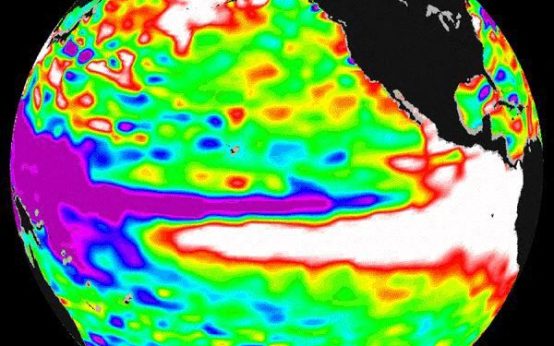 2026 El Niño: A Historical Comparison and Future Projections