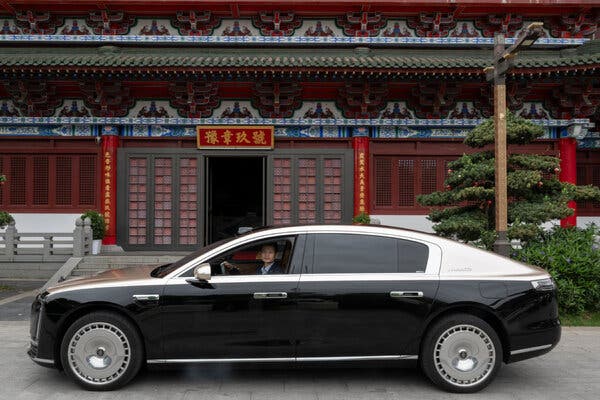
As China’s economic growth slows, consumers are increasingly opting for domestic luxury products, challenging the dominance of established European brands. This trend is epitomized by Li Maozai, a partner at a law firm in Nanchang, who transitioned from owning Mercedes-Benz and BMW vehicles to purchasing a Chinese luxury car.
Mr. Li chose the Maextro S800, a sedan produced by Huawei and JAC Motors, for its sleek design and advanced technology features that surpassed those of German luxury cars. Priced at $140,000, the Maextro is less expensive than many European counterparts. This purchase reflects a shift in perception that luxury is not limited to European brands like BMW, Benz, and Audi. “This car changed our old belief that only BMW, Benz, and Audi are luxury cars,” Mr. Li stated.
The Maextro has quickly become China’s leading luxury car, outselling Western competitors. Huawei reported that in April, one-third of luxury cars sold in China were Maextros. This success signifies the rising prominence of Chinese brands in the luxury sector, encompassing automobiles, personal goods, and hospitality.
Despite challenges such as a property crisis and reduced consumer spending, Chinese consumers are drawn to domestic luxury brands by affordability, cutting-edge technology, and cultural tailoring to local preferences. The shift coincides with increasing nationalism and pride in China’s recent economic progress.
 Escalating Tensions in the Middle East
 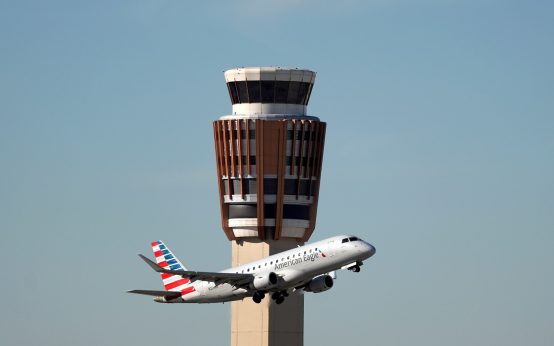 Potential Collision Averted as Duplicate Flight Numbers Cause Confusion Over Phoenix
  The Passing of Jason Arday Amid Controversy
  Trump Asserts US Dominance Over Strait of Hormuz Amid Economic Impact on Iran
  Taliban’s Fifth Anniversary in Power: Celebration Amidst Human Rights Concerns
  Settlers Seize Family Home in Qusra, West Bank