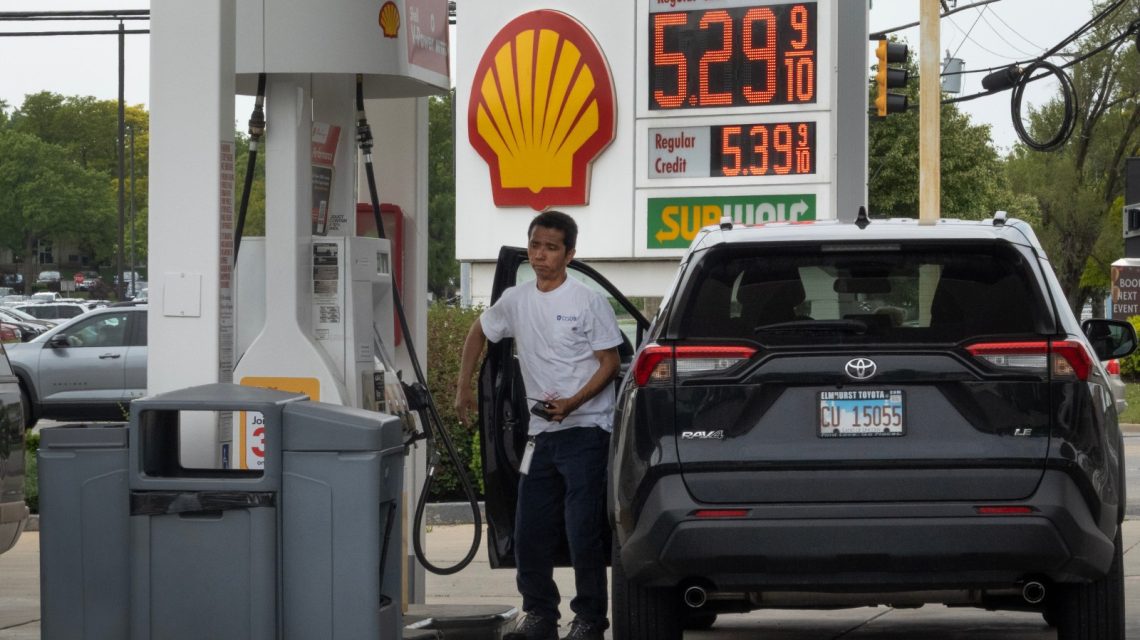
Gas prices have surged as the summer travel season begins, reaching some of the highest levels seen in years. Based on AAA data, there is a stark contrast in prices across regions. The national average has moved beyond $4.50 per gallon, yet specific states, especially along the West Coast, are experiencing even higher prices, surpassing $6 per gallon. In contrast, regions in the South and Midwest maintain some of the lowest averages, despite noticeable increases since late February.
Regional Differences in Gas Prices
The disparity in gas prices across the United States is evident. On the West Coast, states face higher costs due to stringent environmental regulations, limited refinery capacities, and restricted access to affordable regional fuel supplies. As summer unfolds, the West Coast occupies the top spots for highest average regular gas prices:
- California – $6.094
- Washington – $5.752
- Hawaii – $5.655
- Oregon – $5.290
- Alaska – $5.255
- Nevada – $5.243
- Arizona – $4.767
- Illinois – $4.903
- New York – $4.584
- Connecticut – $4.604
While these states encounter significant price hikes, the South and Midwest remain below the national average. However, these regions have also seen steep price increases, largely since late February, attributed to the disruptions in global oil markets due to the Iran conflict.
Cost of Traveling 1,000 Miles by Car
The increase in gas prices has made long-distance travel more costly this year compared to last year. The current national average of $4.46 per gallon is a marked rise from $3.17 last year. For a car averaging 25 miles per gallon, traveling 1,000 miles now costs approximately $178 compared to $127 last year. This additional $50 per trip adds up for families planning multiple road trips this summer, potentially increasing their travel expenses by hundreds of dollars.
Experts anticipate that gas prices will remain elevated for the coming months. The ongoing disruptions at the Strait of Hormuz, a vital global oil transit route affected by the Iran war, continue to influence oil market stability. Even if prices stabilize, the financial burden on travelers has already increased significantly.
Changing Travel Habits
Higher gas prices are affecting travel decisions. AAA’s Memorial Day data revealed a record surge in road travel, with travelers opting for shorter trips or closer destinations. Though 56 percent of people still plan to travel, many are reducing travel distances, cutting nonessential trips, or choosing budget-friendly lodging and activities to accommodate increased fuel expenses. Even though demand remains high, economic pressures force travelers to reconsider travel distance and frequency.
States Benefiting from Road Trips
Some states, particularly with thriving tourism sectors, benefit from road-trip travel. According to Roadtrippers, California, Florida, and Texas are favorites for road-trip planning, drawing a significant portion of domestic travel expenses. California, with its national parks and scenic routes, alone accounts for over 16 percent of all road-trip destinations.
Additionally, states with well-known natural attractions such as Arizona, Utah, Wyoming, and South Dakota draw large numbers of visitors due to attractions like the Grand Canyon, Zion, Yellowstone, and Mount Rushmore. These states rely heavily on road-trip tourism to support their economies, attracting visitors who prefer driving to reach remote parks and picturesque towns, making these trips integral despite rising gas prices.
 Rising Trend: Solo Travel Gains Popularity
  Unusual In-Flight Behavior Leaves Passengers Stunned
  Royal Caribbean Cancels Costa Maya Stop, Divides Passenger Opinions
  Fall Activities and Entertainment Options in Southern California
  Navigating Accommodation Challenges in New York City
  TSA Stops Passenger with Concealed Knife at Tampa Airport