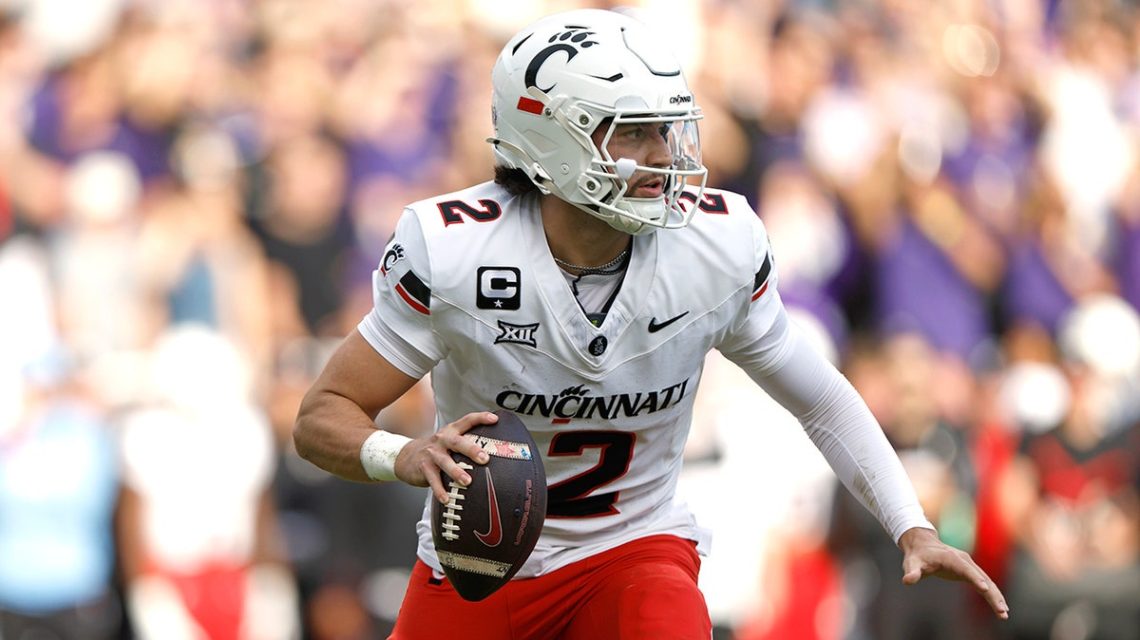
The Court Case
In Lubbock, Texas, a significant legal battle is unfolding involving Texas Tech quarterback Brendan Sorsby. The focus is on whether Sorsby can obtain a legal injunction to play this season after he confessed to a history of gambling. This case has become a focal point for college athletics, potentially affecting Sorsby’s brief tenure at Texas Tech.
Sorsby’s attorneys have presented extensive documentation in court, seeking to overturn the NCAA’s restriction. A crucial element of their argument includes a diagnosis from a doctor at an Arizona rehabilitation center, where Sorsby underwent treatment.
Details of Gambling Activities
Court documents reveal that Sorsby placed approximately $90,000 in bets during his time at Indiana, Cincinnati, and Texas Tech. He utilized various apps like FanDuel and PrizePicks, as outlined in a comprehensive affidavit filed in court. ESPN’s David Purdum initially reported these details, corroborated by official court records.
Sorsby admitted to wagering on numerous sports, including football and major leagues like the NBA and MLB. Notably, he bet significant amounts during his time as a scout-team quarterback at Indiana.
Violations and NCAA Rules
The NCAA determined Sorsby ineligible due to these violations, as rules strictly forbid betting on collegiate sports with championship games. Despite only betting on his team to win, this breached established regulations. His attorneys argue that the NCAA should have provided support rather than penalize him for his gambling addiction.
While Sorsby claims to have avoided any bets on games he participated in, his admissions show a complex struggle with gambling.
Continuing Issues
The filings reveal that Sorsby’s gambling persisted at Texas Tech. He entrusted friends to place bets on various sports, despite receiving counseling and treatment post-diagnosis.
Brendan’s affidavit mentions using funds from NIL to fuel these bets, albeit acknowledging losses that may have outweighed any winnings.
Support for Sorsby
Texas Tech stands supportive, suggesting instead a two-game suspension as a fair resolution. They assert that this approach does not set a negative precedent. In a letter to the NCAA, they stress the unique nature of the case, given Sorsby’s betting on his team’s wins while battling mental health issues.
By advocating for a lesser penalty, Texas Tech aims to prevent stigmatization of athletes with mental health challenges or addictions.
Implications and Awaited Ruling
The outcome of this case may reshape NCAA’s handling of similar situations. The ruling stands to influence collegiate sports regulation and its perception. As stakeholders await the decision, the broader discussion on mental health, addiction, and athlete well-being continues to evolve.
 Cristiano Ronaldo Contemplates Retirement
  Tommy John: A Baseball Legend and Medical Pioneer
  Future of LIV Golf Tour Uncertain Amid Funding Cuts
  Intense Matches at GCW Homecoming Night in Atlantic City
  Tommy John: A Baseball Legend’s Journey
  Tommy John: A Baseball Legacy and Medical Breakthrough