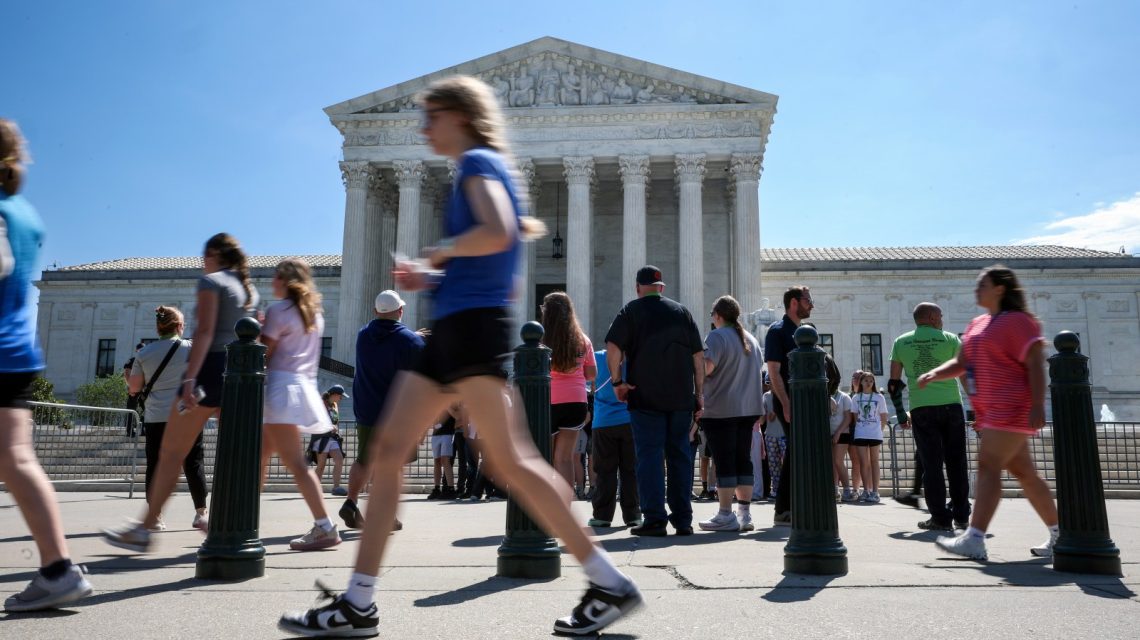
Justice Clarence Thomas Denies Immediate Relief in Alabama Redistricting Case
On Wednesday, Justice Clarence Thomas rejected Alabama’s request to stay a lower court’s decision that blocked the state’s congressional map redraw. Despite Thomas’ historically skeptical stance towards certain aspects of the Voting Rights Act, Alabama officials did not receive immediate relief. Those opposing the new map are asked to justify its exclusion.
Alabama’s Ongoing Redistricting Challenges
The redistricting efforts have been contentious, with Alabama facing significant challenges. A federal panel issued an injunction against the use of the proposed 2023 map, prompting Alabama’s appeal to the U.S. Supreme Court. The state’s Attorney General, Steve Marshall, defended Alabama’s current district maps as representative of its conservative voters.
Judges ruled that Alabama must use court-ordered districts from the 2024 election due to claims of intentional racial discrimination against Black voters. This case has traversed legislative, district, and Supreme Court arenas since 2021, with a landmark ruling in 2023 barring the new map under the Voting Rights Act.
Legal Opinions and Challenges
In a brief supporting Alabama’s appeal, Trump’s Solicitor General criticized the court for delay in issuing the injunction. Plans had already advanced for primaries using the contested map. Thomas’ skepticism represents longstanding opinions, advocating minimal federal intervention in state districting under the Voting Rights Act.
Thomas argues for a constitutional perspective prioritizing race neutrality in districting and has questioned interpretations of Section 2 of the Voting Rights Act since the 1990s. He contends that this section should not govern district lines, focusing purely on voting procedures and ballot access.
Clarence Thomas’ Critique on Voting Rights Act in Redistricting
Thomas maintains that Section 2 does not mandate racial proportional representation nor the creation of majority-minority districts. His dissent in Allen v. Milligan reinforces that objection, advocating against race-focused districting requirements he views as conflicted with constitutional principles.
His views were echoed in the April 2026 Louisiana v. Callais decision, where he recommended further limiting Section 2’s applicability in district drawing. His criticism centers on perceived encouragement of racial sorting in redistricting, which current supporters argue is vital for minority voting strength.
Next Steps
Attorneys opposing the map must present their reasons for its exclusion to the Supreme Court by June 1. The court will subsequently determine if Alabama’s appeal is accepted.
 U.S. Military Operations in the Strait of Hormuz: Analyzing Sustainability and Impact
 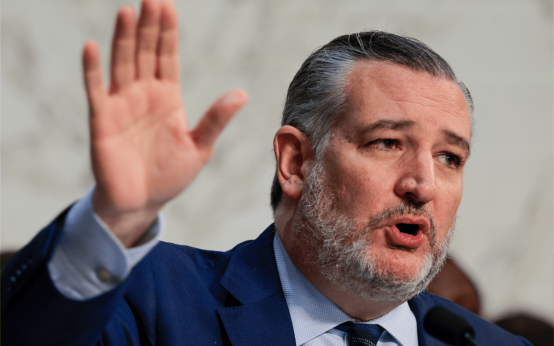 Ted Cruz Criticizes JD Vance Amid Early 2028 Presidential Speculation
 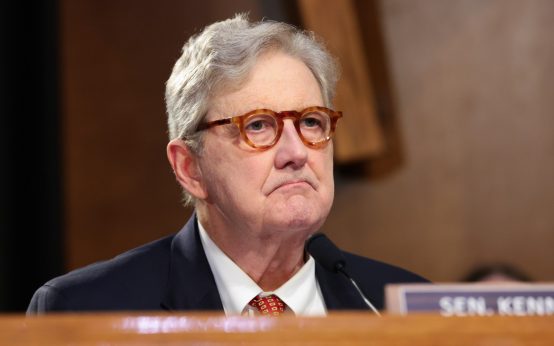 Kennedy Warns GOP on Cost of Living Concerns Before Midterms
 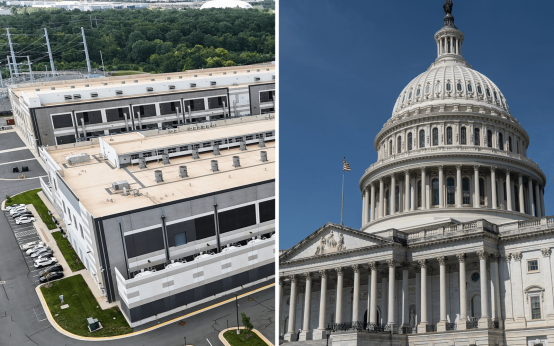 Virginia Congressional Districts Show Increasing Competitiveness
  Angela Paxton Encourages Support for GOP Amid Personal and Political Turmoil
  Democratic Senators Discuss Potential 2028 Presidential Candidates