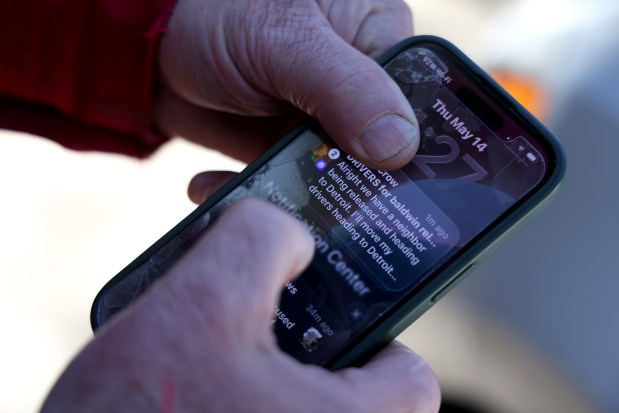
After spending nine months in Immigration and Customs Enforcement (ICE) detention, Jesus Ramirez Ramos needed assistance upon release. The clothes from his arrest were foul-smelling after months in storage. ICE lost his cellphone at the Michigan jail where he was detained, leaving him without contacts. Moreover, being detained far from his Salina, Kansas, home meant he faced challenges returning. But when he exited the North Lake detention center in Baldwin, Michigan, there was a helping hand waiting.
Delight Lester, a 66-year-old involved with an advocacy group, offered support. She aids detainees with commissary accounts, legal aid, and travel arrangements. Lester drove Ramos over 900 miles home in her Prius, providing a change of clothes and snacks for the journey. Ramos expressed immense gratitude for the help.
Me ayudó muchísimo. Estoy muy agradecido.
Lester is part of a network of individuals across the country assisting ICE detainees during custody and arranging travel for those released. Thousands are detained far from home, and groups nationwide are finding ways to return them to their communities.
In Michigan, Hope for Neighbors assists with transportation. In Kentucky, it’s Calor Humano, while Minnesota has Haven Watch. In Illinois, the Overground Railroad volunteers offer coordinated rides home.
Ricardo Hernandez-Navarrete, a Chicago Public Schools senior taken to a Kentucky jail, was brought home by activists just in time for his graduation. Networks like these emerged strongly during Trump’s administration, with many detainees arrested without criminal records.
Trump’s policies have included a push for indefinite detention without bond, sparking legal challenges. As detainees win court cases, they often find themselves released far from home, without notice, communication, or funds. This has motivated many ordinary Americans to step in.
Evelyn Vargas from Organized Communities Against Deportations in Chicago highlighted the emotional drive behind these volunteer efforts. For Lester, the initiative is about sharing hope.
It’s not so hard to provide a little light in the dark or a little bit of hope.
Pastor Dale Dalman introduced Lester and her family to the cause after a congregation member was arrested and taken to Baldwin’s North Lake detention center. Dalman’s visits inspired many to join and help immigrant detainees.
The group, Hope for Neighbors, now includes around 250 people providing various support services. They maintain supplies for releasees, help find lawyers, and coordinate transportation. Regular routes include Baldwin to Detroit, with further travel arrangements made as needed.
Lillian Khatib, Lester’s daughter, got involved after seeing a social media post. As a social work student, she coordinates volunteer visits to detainees, offering vital support.
Larry Gephart, another volunteer, often drives detainees to the next transport leg. He sees this work as critically impactful on an individual level.
Will Mendoza in Kentucky has similarly been moved to help, initially responding to social media calls for assistance. Seeing the need for transport arrangements, Mendoza’s group has grown around the country despite challenges from bureaucracy and limited resources.
In Minnesota, Haven Watch, founded by Natalie Ehret, organizes volunteers outside the Whipple federal building. The goal is to assist detainees upon release by providing essentials and arranging travel home.
Although many response networks rose during Trump’s second term, the initiative to support immigrants is longstanding. Robin Valenzuela co-founded Indiana AID to address needs in the state and coordinates visits and material support remotely.
Delaney Hall in New Jersey also relies on volunteers like Stephanie Campos, driven by personal family histories. She oversees transportation coordination in her area.
In Illinois, veteran volunteer Rebecca De La Luz tirelessly coordinates travel for detainees. Her dedication includes driving released detainees and keeping in constant contact with other coordinators to manage logistics and communication.
One touching example included picking up two men in Michigan and delivering them to homes in Indiana and Chicago. De La Luz’s efforts, amidst her busy schedule, bring significant relief and hope to those she helps.
As volunteers across the country continue these efforts, stories of reunions and successful returns highlight the profound difference this network makes in the lives of immigrants and their families.
 The Trump Team’s Challenge to the Military Leadership
  Maryland First State to Restrict Electronic Pricing in Grocery Stores
  Activists Push for Nationwide Ban on Child Marriage in the U.S.
  Democratic Hopes and Historical Warnings in 2026 Senate Race
  Republicans Face Challenges Amidst Cost of Living Concerns
  A Different Kind of Fall for Congress This Year