Armenia’s parliamentary election on June 7 serves as a pivotal test of the country’s geopolitical strategy. Armenia’s move toward the West signals a departure from its previous dependence on Moscow. This shift towards Europe and the United States is part of a broader national reassessment.
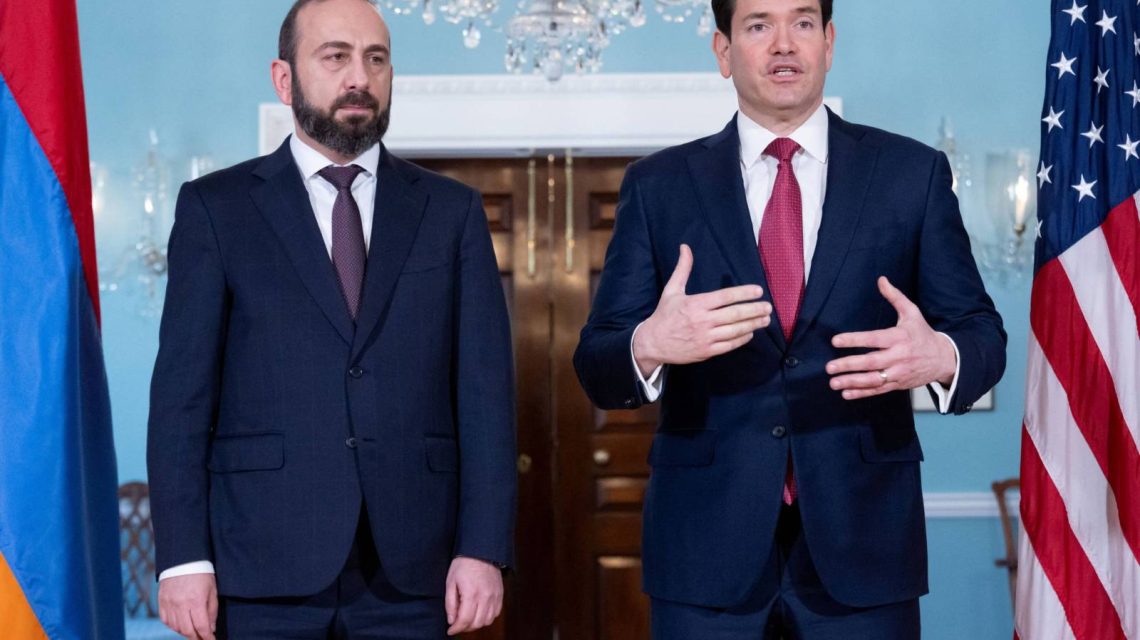
The strategy is already showing results. The May 4 European Union summit held in Armenia highlighted its growing significance as a democratic and logistical link in the South Caucasus. U.S. Secretary of State Marco Rubio’s visit to Yerevan led to the signing of a strategic partnership agreement, along with deals on critical minerals and a proposed transit corridor through southern Armenia. These agreements highlight the South Caucasus’s central role in Western strategic planning, aiming to find trade routes bypassing Russia and Iran.
Armenia’s strategy has diversified partnerships, strengthened ties with Europe, hosted Western leaders, and reduced reliance on Russia. The country’s international outlook shows newfound confidence.
This transformation, however, involved a significant sacrifice. Armenia’s geopolitical realignment effectively meant losing Nagorno-Karabakh, known to Armenians as Artsakh, the enclave that functioned as a de facto Armenian state post-Soviet Union collapse. Following Azerbaijan’s military actions in September 2023 and a nine-month blockade, the enclave collapsed, leading over 120,000 ethnic Armenians to flee to Armenia to avoid Azerbaijani rule.
The global response was swift but short-lived as focus shifted to Middle East conflicts following events like the October 7 assault by Hamas on Israel. Diplomatic focus in the South Caucasus turned to infrastructure deals and regional normalization. The refugees, carrying stories of a lost homeland, received sympathy but faced a lack of justice and compensation.
Amid this unresolved tragedy is another issue threatening Armenia’s relations with Azerbaijan and broader Western integration: the continued detention in Azerbaijan of former Artsakh officials, such as Ruben Vardanyan, sentenced to 20 years in prison. Azerbaijan views them as criminals, while many Armenians see them as political prisoners. Their fate holds symbolic significance for Armenia’s reconciliation process, seen as one-sided with Armenia making concessions while Azerbaijan consolidates its position unchecked.
Despite Armenia’s willingness to compromise, the lack of international focus on the prisoners’ plight is bewildering, especially as Azerbaijan seeks greater legitimacy and partnerships. The diplomatic environment gives Western countries leverage, reflected in recent high-level visits and agreements like the U.S.-Armenia strategic partnership.
Azerbaijan seeks stability and investment while Armenia desires security and Western backing. Both aim for regional integration. The timing is critical for Western leaders to address the prisoner issue as part of broader settlement discussions. Failure to do so risks seeing initiatives linked to the erasure of Artsakh Armenians.
Western governments, supportive of Armenia’s democratic path, should make clear regional integration involves mutual obligations. Releasing political detainees should become central to negotiations on corridors and partnerships. Doing so would reinforce moderates within Armenia and affirm that Western alliances are grounded in accountability and dignity.
This would provide Armenians evidence that diplomacy upholds human dignity even after great losses, countering perceptions of Armenia bearing all sacrifice. Ignoring grievances risks lasting tension, as peace without moral authority often fails in communities shaped by memory and absence.
While the South Caucasus faces a unique chance for connectivity-based peace, true peace depends on justice. The prisoners of Artsakh test whether this principle survives in the nascent order. The region’s future lies in agreements that respect human dignity.
Grigor Hovhannissian is Armenia’s former ambassador to the United States and Mexico, and Armenia’s former deputy foreign minister. The views expressed in this article are the writer’s own.
 The Trump Team’s Challenge to the Military Leadership
  Maryland First State to Restrict Electronic Pricing in Grocery Stores
  British Police Arrest Man Suspected of Terror Plot
  Activists Push for Nationwide Ban on Child Marriage in the U.S.
  Democratic Hopes and Historical Warnings in 2026 Senate Race
  Republicans Face Challenges Amidst Cost of Living Concerns