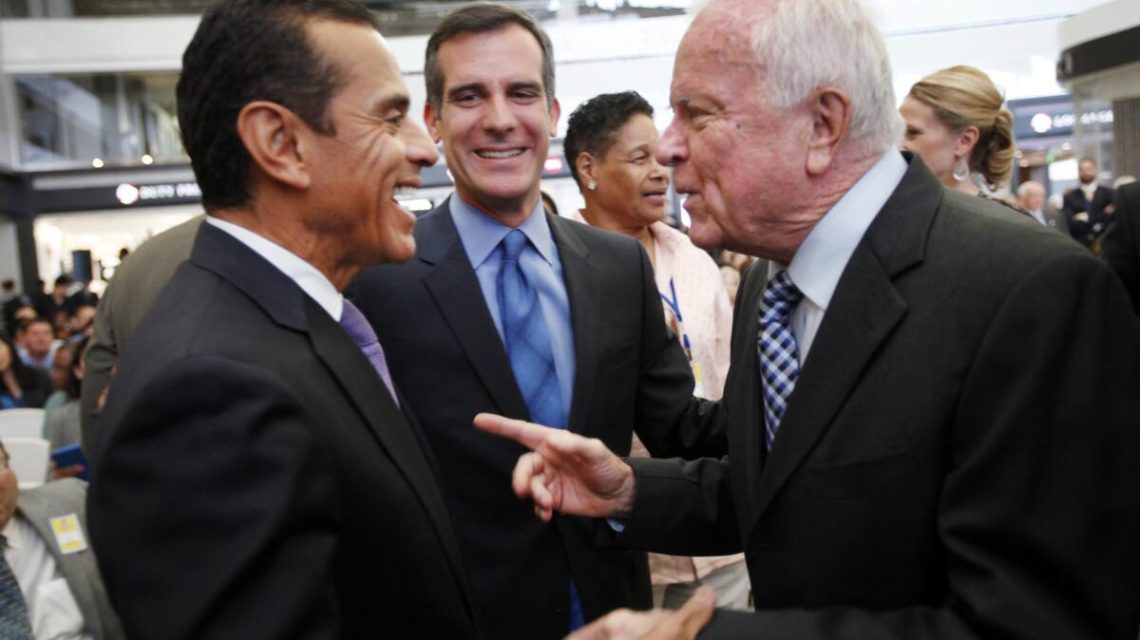
In 1973, Tom Bradley became Los Angeles’s first Black mayor by forming a coalition of diverse groups, including Black, Jewish, white, and Latino liberals. This coalition ended years of conservative white rule at City Hall and initiated a 50-year period of moderate Democratic leadership in the city. Bradley’s election transformed local politics, setting a precedent for other Democratic leaders.
However, as Mayor Karen Bass seeks reelection, she confronts difficulties in uniting her traditional base. She faces opposition from Democratic Socialists of America Councilwoman Nithya Raman on the left and Republican reality TV personality Spencer Pratt on the right. Political experts in Los Angeles observe that mainstream Democrats are struggling to maintain their coalitions at a time when many city residents express frustration with the status quo.
“Overwhelmingly, Angelenos feel Los Angeles doesn’t work,” said Fernando Guerra, founding director of the Center for the Study of Los Angeles at Loyola Marymount University. “You have this liberal regime that has dominated from 1973 to 2026, and it’s stagnant.”
Traditional voting patterns are under pressure as rising housing costs create new political fault lines in the city. Challenges such as the 2025 wildfires, homelessness, and infrastructure issues have intensified public dissatisfaction. Although Bass may win reelection, the likelihood of her facing a runoff reflects the weakening of mainstream Democratic institutions.
Republicans in Los Angeles hope Pratt’s critique of local leaderships’ handling of emergencies and spending on homelessness might energize conservative voters. Nevertheless, most political observers believe the city is not shifting conservative. The Democratic Socialists of America, advocating for renter protections, police defunding, and a Green New Deal, have increased their influence by electing several City Council members.
Longtime political journalist Jim Newton said, “Los Angeles is clearly a city that is steadily moving to the left.” According to Raphel Sonenshein, director of the Haynes Foundation, generational changes are reshaping Los Angeles politics, targeting Latino and Asian voters along with young voters.
Los Angeles rose as a Republican stronghold in California, but Bradley’s coalition was fundamental to challenge the status quo. Bradley effectively bridged racial divides, fostering relationships across communities. His tenure saw an expansion of minority groups’ involvement in city politics, resulting in his re-election as the longest-serving mayor.
However, by the 1990s, dissatisfaction grew, exacerbated by the LAPD beating of Rodney King and the subsequent riots. The transition from Bradley’s leadership saw Democrats struggle to maintain unity, leading to diverse political dynamics over the years. The city saw shifts after events such as Proposition 187 and the involvement of various communities, but no single Democratic coalition has emerged.
In recent elections, candidates like Antonio Villaraigosa and Eric Garcetti demonstrated the complexity of forming successful political alliances in Los Angeles. Republican ventures, like those by Richard Riordan and Rick Caruso, illustrate the challenging dynamics, although Caruso’s defeat to Bass confirmed the city’s Democratic stronghold.
Despite Bass’s ability to forge relationships, widespread discontent exists over issues like affordable housing—with underlying political complexities related to stakeholder interests. New political constituencies are emerging, reflecting shifts from homeowner-dominant politics to those involving renters and young middle-class individuals facing economic challenges.
Nonprofits have played a significant role in shaping political landscapes. Presently, the focus has shifted to homelessness and policing rather than traditional subjects like racial justice and immigration reform.
Republican aspirations face challenges due to prevailing Democratic sentiments, despite slight increases in conservative voting patterns in presidential elections. Legal reforms also reflect complex attitudes towards criminal justice, with movements questioning previous stances.
The Democratic Socialists of America have made strategic advances in recent years by aligning with interests such as renter protection. As Raman vies for mayoral candidacy, her approach may test new political landscapes in 2026. However, current internal dissent and lack of formal support might hinder the movement’s progress.
Mayor Karen Bass highlights Raman’s challenges in coalition-building. The ongoing political race underscores whether emerging generations can embody diverse Angelenos with unique visions and coalitions, presenting new directions for the city.
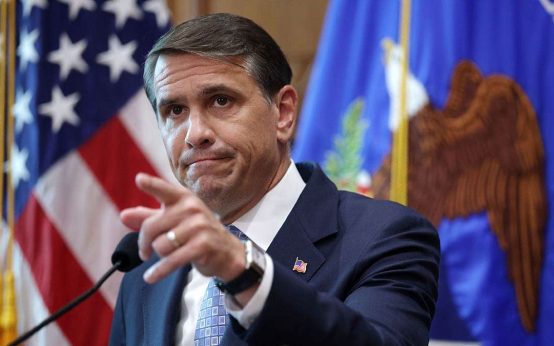 New Attorney General Todd Blanche Refuses Pledge for Absolute DOJ Independence
  Federal Judge Approves Arizona Border Wall Construction Amid Tribal Opposition
 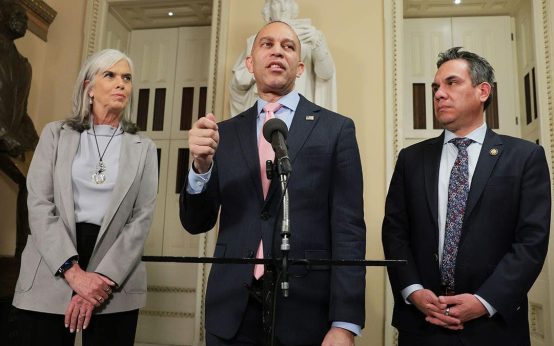 House Minority Leader Hakeem Jeffries Rejects Medicare for All
 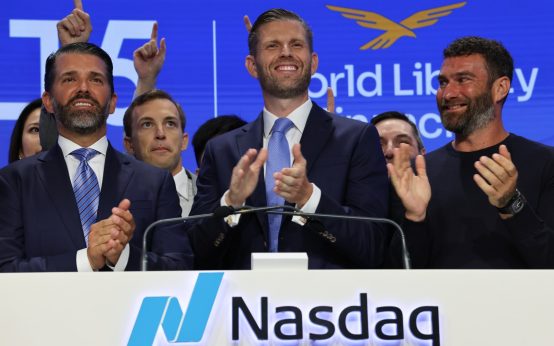 Senator Warren Proposes Legislation to Prevent Presidential Bank Ownership
  President Trump Orders Reduction in U.S.-South Korea Military Exercises
  Trump Scales Back Military Exercises with South Korea Citing Relations with North Korea