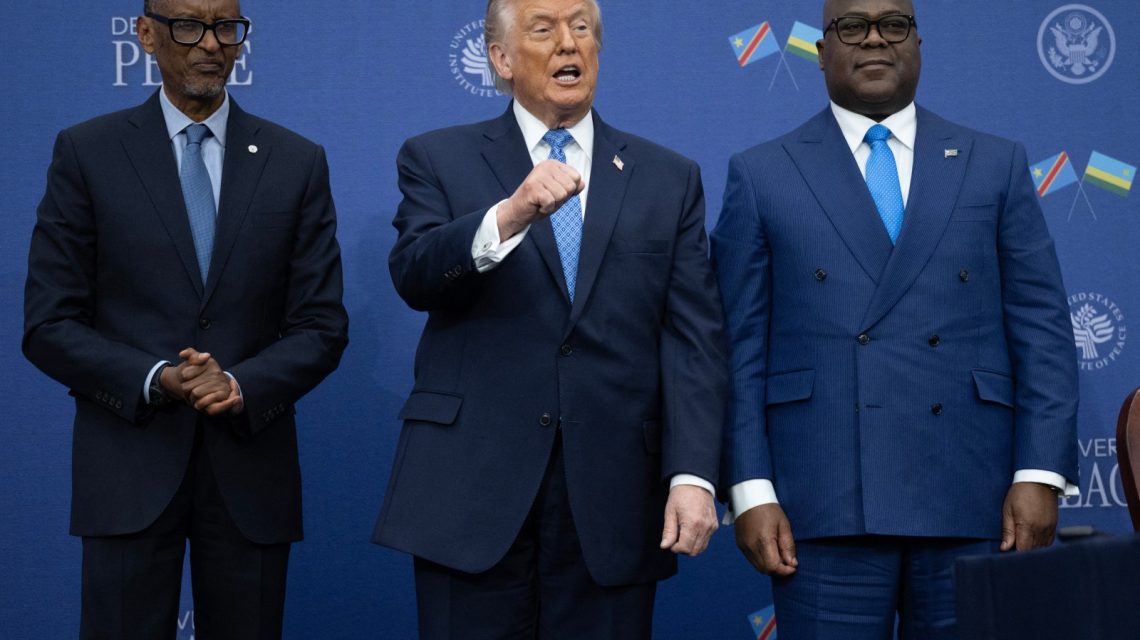
Almost a year has passed since Congo and Rwanda signed a U.S.-backed peace agreement, yet efforts to stabilize Africa’s Great Lakes region remain stalled. To secure the Washington Peace Accords, the Trump administration must urge its Congolese partners to fulfill their obligations.
The U.S. has recently criticized Rwanda and its M23 allies. Rwanda supported an M23 military move to capture Uvira, South Kivu’s second largest city, coinciding with President Trump’s meeting with Congolese President Félix Tshisekedi and Rwandan President Paul Kagame to finalize the peace framework. This action undermined diplomatic efforts to end ongoing conflict and offer peace incentives through substantial U.S. investment.
In response, the United States imposed significant penalties on Rwanda, including sanctions and visa restrictions on Rwandan officials. The Treasury Department sanctioned former Congolese President Joseph Kabila for allegedly supporting M23. Rumors suggest Kagame was denied a visa for a Harvard event. The Rwandan army faced sanctions, becoming only the second African national army sanctioned by the U.S.
Conversely, Tshisekedi and the Congolese government have gained U.S. favor. By December, Congo signed a strategic partnership agreement granting U.S. firms access to minerals in the Copperbelt region, redirecting exports through the U.S.-funded Lobito railway. Congo has also aligned with U.S. immigration policies.
Yet, Congo’s actions fall short of being a model partner. While M23 has retreated under U.S. pressure, the Congolese military has ramped up attacks, sometimes harming civilians. In discussions mediated by Qatar, Congo stalls initial agreements citing technical issues.
More troubling is Kinshasa’s continued support for nonstate armed groups. Senior army officials have undermined efforts and the government funds militias, including the Democratic Forces for the Liberation of Rwanda (FDLR). This group is linked to the 1994 Rwandan genocide and poses a security threat, with increasing collaboration signifying escalating tensions.
For Tshisekedi, U.S. backing reduces the incentive for good faith negotiations. He views M23 as an enemy, relying on U.S. support to justify military solutions. U.S. actions are seen as supporting his hardline approach.
Rwanda, feeling targeted, sees less value in participating in what it perceives as biased peace efforts. Kagame criticizes the U.S., refusing to back down. Measures targeting Rwanda reinforce a perception of hostility from the international community.
The U.S. indirectly enables a power play in Congo. Tshisekedi leverages conflict continuation to justify constitutional changes, delaying elections for a third term. The Washington Accords and potential sanctions against opposition members have spurred criticism of U.S.-Congo ties, threatening the partnership’s future in Congo’s unstable political climate.
To secure the peace agreement, the U.S. must exert more pressure on Congo, beginning with ceasing collaboration with FDLR and conducting military operations against them as per the Washington Accords. Targeted sanctions against obstructive Congolese officials and withholding defense cooperation might be necessary.
Negotiations separate from but related to the Accords require U.S. intervention in Kinshasa’s negotiation stance. Washington should encourage good faith negotiations, advising compromises for a workable Congo-M23 deal, potentially allowing M23 temporary control over certain territories. Support for Tshisekedi in managing domestic backlash via critical minerals partnerships could be beneficial.
The Trump administration’s goal of peace and prosperity necessitates accountability from all involved, including Kinshasa allies. While the peace deal offers benefits to Congo and Rwanda, U.S. pressure remains crucial. Ensuring Congo’s compliance is essential for fulfilling the peace agreement’s potential. Action is needed to secure the diplomatic achievements of the past year.
Liam Karr is the Africa team lead and Yale Ford is an analyst for the Critical Threats Project at the American Enterprise Institute. The views expressed in this article are the writers’ own.
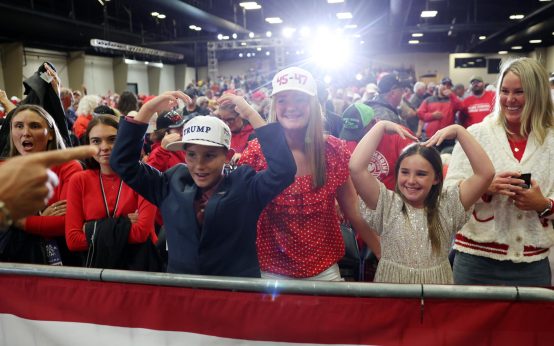 Trump Rallies Support in GOP Strongholds as Midterm Elections Approach
 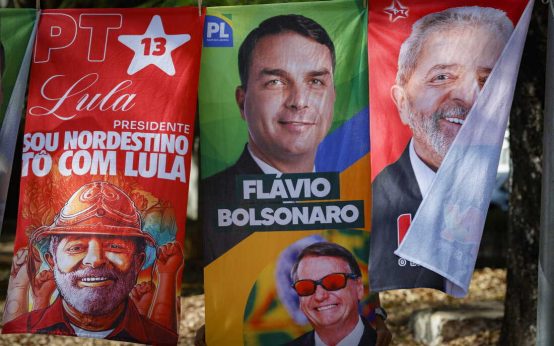 Brazil’s Next Election: Familiar Faces and High Stakes
  Suspected Plague Death in Siberia Sparks Health Measures
  Iowa Steel Plant: Incentives and Political Maneuvering
  Strategies for Democrats Leading Up to Election Day
  Texas Senate Race: The Impact of Trump on Ken Paxton’s Campaign