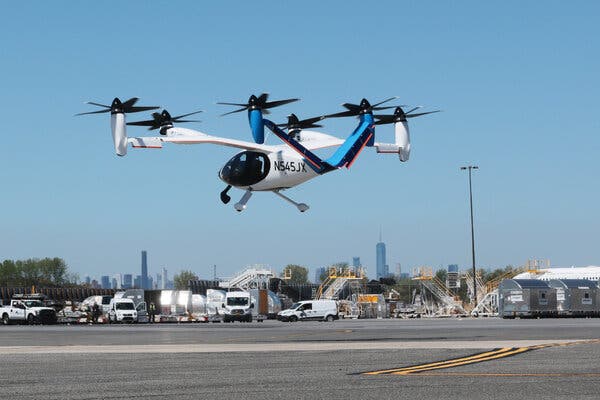
Electric aircraft are being developed to replace helicopters. Aviation start-ups, along with support from the Trump administration, are working towards this goal. However, these new vehicles still need to pass rigorous tests before becoming publicly available.
In April, Joby Aviation’s electric aircraft took off from Kennedy International Airport for a brief flight to Manhattan. The journey lasted about 10 minutes, significantly shorter than traveling by car. This flight is part of a federal initiative aimed at speeding up the adoption of air taxis, which are designed to operate in urban environments.
Manufacturers and industry experts believe these aircraft could eventually replace helicopters, and potentially cars, in certain situations. Yet, some experts remain skeptical, noting that the aircraft may be more costly than helicopters and have limited applications. Despite years of industry promises, no company has yet received federal approval for regular passenger or cargo flights in the United States.
Laurie Garrow, an engineering professor at Georgia Institute of Technology, emphasizes that widespread use isn’t imminent. She predicts that within two to five years, these aircraft will enter service, initially serving niche markets.
The Trump administration has actively supported the advancement of electric aircraft. A program was launched to foster collaboration among states, cities, and companies to roll out aircraft for passenger, cargo, and medical uses.
In March, the Department of Transportation selected eight projects across 26 states. One notable project enabled Joby Aviation’s pilot-only demonstration flight in New York, marking a step forward in the program’s goals.
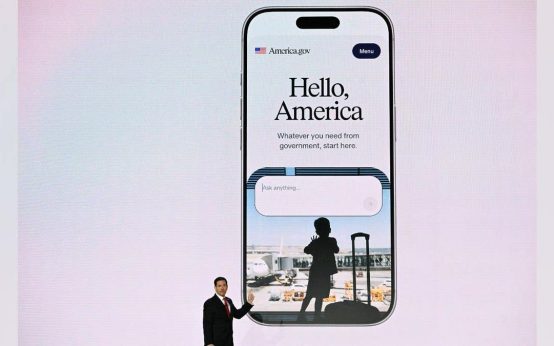 Trump Unveils AI-Powered America.gov Platform
  Trump’s 2024 Campaign Targets Young Men Through Cryptocurrency
  How Modern Windows Improve Home Insulation
  State Department Simplifies Passport Process with Online Applications
  Senate Democrats Block Data Center Bill Over Efficiency Concerns
 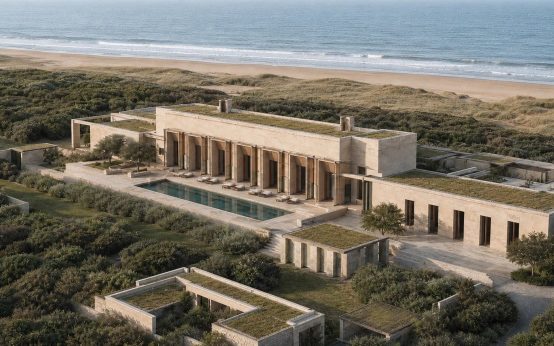 Future Cities: Ambitious Projects Aiming for Innovation and Sustainability