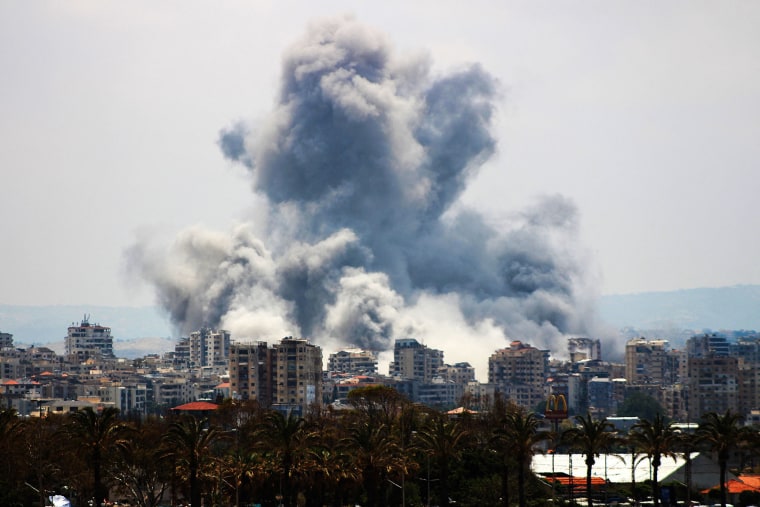
On Monday, Israeli Prime Minister Benjamin Netanyahu initiated attacks on the Hezbollah-controlled southern suburbs of Beirut. This move signals a further escalation in the ongoing conflict complicating the mediation efforts in the U.S.-Iran conflict.
Iran’s foreign ministry spokesperson, Esmaeil Baghaei, highlighted on Monday that Israeli attacks in Lebanon are contributing to delays in diplomatic efforts to resolve the U.S.-Iran war. He stressed that a ceasefire in Lebanon is essential for any comprehensive deal.
Netanyahu, along with Defence Minister Israel Katz, directed the Israeli military to target “terrorist targets” in Dahiyeh, responding to what they described as Hezbollah’s “repeated violations” of a ceasefire and their “attacks against our cities and citizens,” according to a statement from Netanyahu’s office.
Earlier in the conflict, Dahiyeh was heavily bombarded by Israel. Since a Lebanon ceasefire was declared by U.S. President Donald Trump on April 16, only two strikes had occurred in the area, even as confrontations persisted in southern Lebanon.
A plume of smoke emerged Monday after an Israeli airstrike near Tyre, southern Lebanon.
The recent escalation followed a surge in hostilities over the weekend, resulting in Israeli troops capturing the historic 900-year-old Beaufort Castle. Netanyahu has instructed the military to expand ground operations accordingly.
Lebanese authorities report over 3,370 fatalities in the country from Israeli attacks since March 2. This began when Hezbollah supported Iran by opening fire on Israel during a U.S.-Israeli offensive. Israel reports 28 casualties, including 24 soldiers and 4 civilians.
Israel established a self-defined security zone in southern Lebanon, citing protection from Hezbollah militants embedded in civilian locations as the reason for razing villages in the region.
The ongoing war in Lebanon represents the deadliest spillover of the U.S.-Iran conflict, prompting over 1 million people to flee their homes, per Lebanese authorities.
Netanyahu on Sunday further mandated the military to expand “its ground manoeuvre in Lebanon,” increasing their territorial grip in areas formerly controlled by Hezbollah.
Hezbollah, accusing Israel of ceasefire violations, asserted its right to resist the Israeli occupation. They claimed to have conducted 21 operations on Sunday, including a rocket assault on Israeli military infrastructure in Nahariya.
An Israeli flag is seen flying over the medieval Beaufort Castle.
Amid rising tensions, France has called for an urgent United Nations Security Council meeting on Monday.
The United States has facilitated meetings between Israel and Lebanon officials since hostilities commenced. Despite Hezbollah’s opposition, Lebanon has participated in these discussions.
A U.S. official disclosed that Secretary of State Marco Rubio engaged with Lebanese President Joseph Aoun and Prime Minister Netanyahu to propose a plan for “gradual de-escalation.” The U.S. suggested Hezbollah halt attacks on Israel, while Israel would avoid further escalation in Beirut.
“This would create space for gradual de-escalation and an effective cessation of hostilities,” stated the official.
The official noted that Aoun tried to advance the proposal for an agreement. Yet, Lebanese Parliament Speaker Nabih Berri, who claimed he could guarantee Hezbollah’s ceasefire commitment, placed the responsibility on Israel to cease initial aggressions.
Berri, a staunch Hezbollah ally, said, “But the question is, who will compel Israel to stop its aggression?”
 British Police Arrest Man Suspected of Terror Plot
 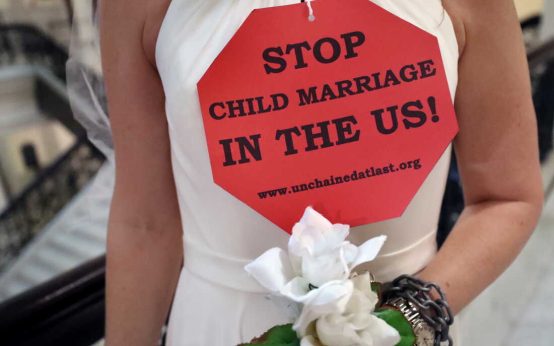 Activists Push for Nationwide Ban on Child Marriage in the U.S.
  Investigation into Alleged Incident at Cornell University
  Rising Drone Threats Highlight Vulnerabilities in Moldova’s Airspace Defense
  Bolivia Faces Security Test Amid Unrest
 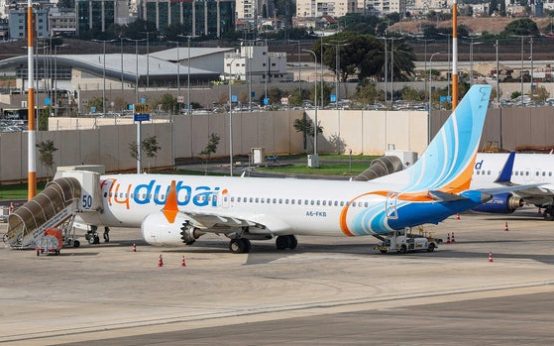 Incident on FlyDubai Flight Raises Security Concerns