
A Minnesota senator, Erin Maye Quade, seeks to strengthen state laws holding adults accountable for not reporting suspected child abuse. This proposal follows an investigation revealing how a Duluth church protected a child sex predator. Maye Quade, representing the Democratic-Farmer-Labor Party, targets cases where adults have undeniable knowledge of child abuse yet remain silent.
“If you know an adult who is committing child sexual abuse, you need to report that,” she emphasized. “For that, the penalties could be a lot higher.” Reports from the Minnesota Star Tribune and ProPublica detailed how leaders at Old Apostolic Lutheran Church in Duluth shielded Clint Massie, accused of abusing young girls. Instead of involving police, some victims were urged to forgive Massie and told to remain silent.
One incident involved preacher Daryl Bruckelmyer permitting a meeting in his office where Massie sought forgiveness from a young girl he allegedly abused. Massie later pleaded guilty to four counts of felony criminal sexual conduct and received a 7.5-year prison sentence. Although Bruckelmyer declined to comment, a church spokesperson maintained their legal compliance in the Massie case.
“We leave it to the legislature with its fact-finding power to determine whether civil liability is appropriate,” stated Justice Paul Anderson.
Minnesota law mandates that certain reporters, including clergy, report suspected child abuse. However, enforcement has proved challenging. Few people have faced penalties, with many cases ending in probation or light fines. Legal expert Jeff Anderson describes the statute as “a tool nobody uses,” citing the lack of real consequences for silence.
Lawyer Kimberly Lowe argued that unpaid church preachers may not fall under the mandate as “employees,” complicating mandatory reporting responsibilities. Prosecutors and police, such as those in St. Louis County, focused on educating church leaders rather than pursuing charges. Proving knowledge of abuse is a significant obstacle in legal proceedings, says Robert Small from the Minnesota County Attorneys Association.
Nationally, mandatory-reporting laws have existed since the 1960s, integrated into schools, churches, and healthcare settings. Despite extensive training, accountability remains rare. Victor Vieth, a former prosecutor and child abuse expert, notes that delayed victim reporting often prevents prosecution within the three-year statute of limitations. Meanwhile, training organizations like Simple Learning Systems highlight state variations and stress the importance of strict compliance.
Maye Quade plans to examine legislative solutions starting in February, responding to victims sharing their stories. Her review aims to identify gaps in the law that leave such claims unaddressed. High-profile cases, like those involving the Boy Scouts and the Catholic Church, reveal the financial impact of neglecting to train mandatory reporters adequately. Some states allow civil suits against those failing to report, unlike Minnesota, thus fostering better training and investigation of abuse allegations.
 The Trump Team’s Challenge to the Military Leadership
  Maryland First State to Restrict Electronic Pricing in Grocery Stores
 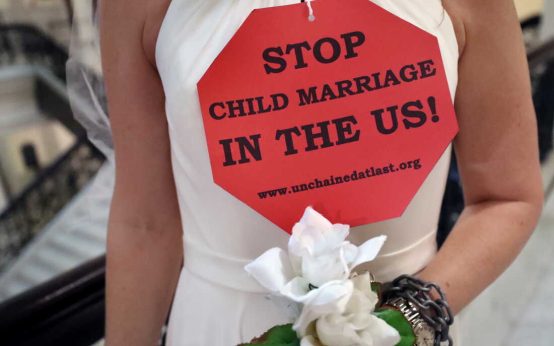 Activists Push for Nationwide Ban on Child Marriage in the U.S.
  Democratic Hopes and Historical Warnings in 2026 Senate Race
  Republicans Face Challenges Amidst Cost of Living Concerns
  A Different Kind of Fall for Congress This Year