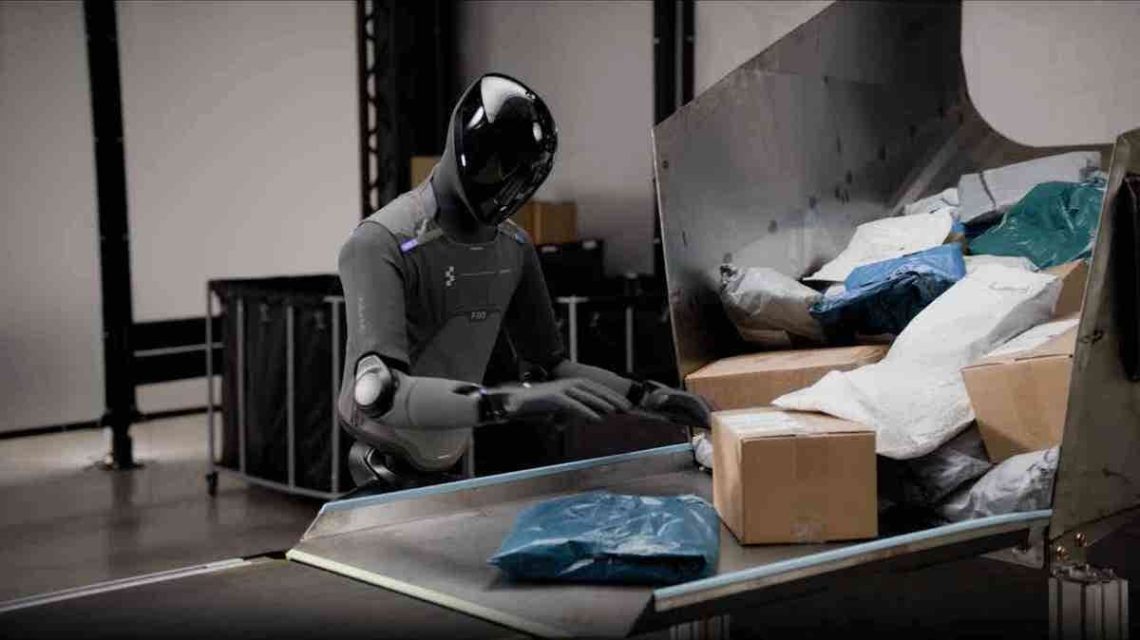
Humanoid robots have taken on a new role, advancing into retail warehouse operations. Figure AI has formed a commercial partnership with Catalyst Brands, which manages iconic names such as JCPenney, Aéropostale, and Eddie Bauer.
Introduction to Warehouse Roles
The initial rollout takes place at Catalyst’s Distribution Logistics Center in Reno, Nevada. These robots aren’t interacting with shoppers or managing in-store tasks but instead focus on warehouse and supply chain functions. Their integration marks a significant step in automation, raising concerns about the impact on human employment.
Warehouse Work Focus
Figure AI’s robots will start by assisting with sorting and packing tasks known to be physically demanding. Robots will first aid in Catalyst’s Joey Pouch sorting system, which boosts efficiency through computerized induction and packing. An infrastructure update at the Reno site further supports this advancement.
Concerns Regarding Job Impact
While some worry about potential job losses, Catalyst Brands’ CEO, Marc Rosen, emphasizes automation can enable staff to focus on more valuable tasks. This transition to technology suggests warehouses will initially adopt robot assistance before any deployment to retail floors.
Financial and Expansion Aspects
Catalyst and Figure AI will evaluate the performance of robots in Reno, which could broaden their use across other platforms. Brookfield’s investment involvement introduces a noteworthy financial layer in this strategic initiative, linking Figure AI’s advancements to Catalyst Brands.
Remaining Questions
Key details like the exact number of employed robots, start dates, and impacts on human roles remain undisclosed. These gaps fuel further speculation on humanoid robots’ presence in retail environments.
Worker Concerns
Whether robots help ease physical burdens or replace human jobs remains a vital inquiry. Workers need clarity on roles and retraining opportunities, especially given the broader context of AI deployments in business settings.
Retail Companies and Automation
Retailers are turning to automation due to physically demanding aspects of warehouse work. Humanoid robots offer potential solutions without requiring extensive physical restructuring of warehouse spaces. This capability aligns with retail aims to improve product flow without sacrificing worker welfare.
Future of Robot Integration
Attention should focus on whether Catalyst expands beyond Reno and the broader impacts on roles and industry practices. Companies must communicate effectively about worker transitions to robot-assisted roles.
Public Considerations
The introduction of humanoid robots in warehouses poses questions not only for workers but also for public perception, retail dynamics, and pricing structures. How these robots integrate and influence these areas remains a crucial narrative.
 Challenges in Managing Advanced AI Models
  The Risky Foundations of AI’s Economic Impact
  Meta’s Muse AI Assistant Sparks Cybersecurity Concerns
  Keurig Dr Pepper Launches Compostable Coffee Pods to Reduce Waste
  Minneapolis Council Member Faces Criticism Over Autonomous Vehicle Concerns
  Washington’s Reaction to Trump’s AI Self-Regulation Accord and Technology Updates from The Hill