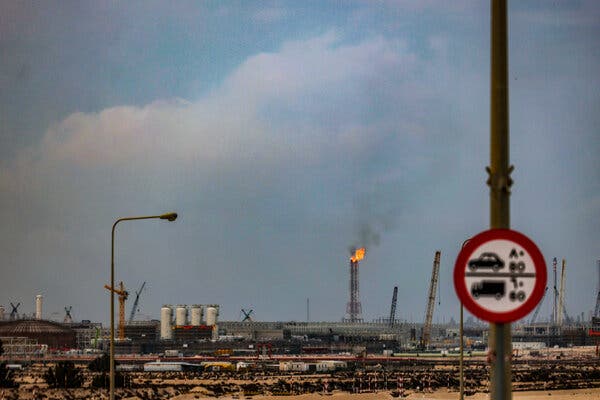
Overview of the Global LNG Market
Before the recent conflict, two nations largely controlled the global liquefied natural gas (LNG) market: the United States and Qatar. This dominance raised concerns about the reliability of energy supplies in Asia, where LNG is crucial for power generation.
LNG Dependency Concerns in Japan
In Japan, executives were increasingly worried about the country’s energy security. As the second-largest LNG importer behind China, Japan feared a market dominated by two suppliers could lead to vulnerabilities. The United States, particularly after the Biden administration halted new export facility permits in 2024, seemed politically unstable. Qatar, meanwhile, resided in a highly volatile region.
Impact of Strait of Hormuz Blockage
These fears materialized in February when Iran blocked the Strait of Hormuz. This critical passage is the main route for Qatar to export LNG globally. The situation escalated with Iranian strikes on Qatar’s Ras Laffan LNG hub, inflicting damage with long-term repair estimates. The outcome was an immediate drop in global LNG supply by about 20%.
Effects on Asian Markets
In Asia, where most of Qatar’s LNG is exported, the supply cut led to soaring gas prices. Countries such as Pakistan, Bangladesh, India, Singapore, and Taiwan, heavily reliant on Qatari LNG, experienced severe energy shortages.
Industry Analysis on Supply Vulnerabilities
Henning Gloystein from Eurasia Group commented on the structural vulnerabilities in the LNG supply chain. He noted that significant disruptions in energy supply tend to occur every decade, underscoring the risk of relying heavily on two suppliers.
 Sen. Cotton Opposes Permanent Daylight Saving Time
  Steve Hilton’s Latino Outreach and Gubernatorial Ambitions
 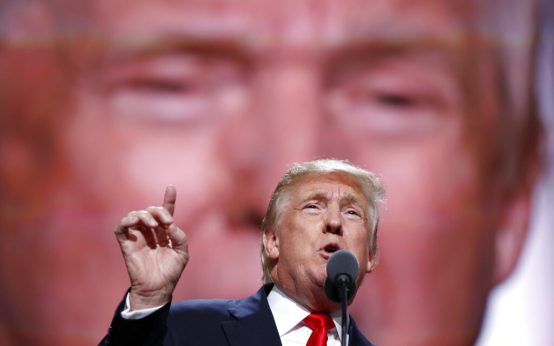 The Need for Reform in Presidential Nominations
  Controversy Surrounds Performances at Gillette Stadium
 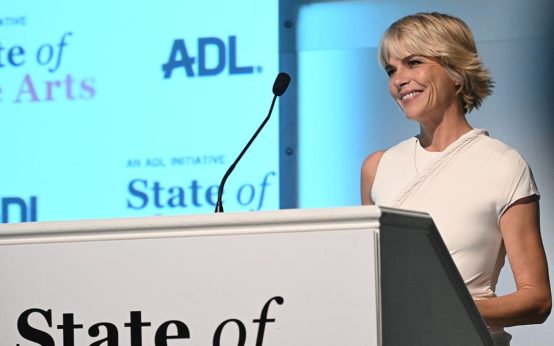 Celebrity Controversies Over Political Activism and Speech
 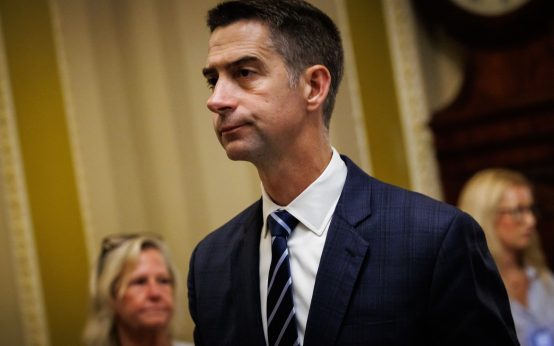 Trump Pushes for Permanent Daylight Saving Time, Sharing Senator’s Contact Information