In 1991, the cradle of the Voodoo religion, Benin, witnessed a significant democratic shift. The military dictator of many years, Mathieu Kérékou, surprisingly lost an election he had orchestrated. Kérékou had consolidated power by outlawing so-called sorcerers, whom he viewed as a threat. However, Voodoo ended up playing a central role in shaping the nation’s political landscape.
Nicéphore Soglo, the opposition leader who defeated Kérékou, restored Voodoo, or Vodún as it is known in Benin, as a key part of the national heritage. His leadership promoted a sense of tolerance that Kérékou would later adopt when he won reelection in 1996. Today, Benin stands as a democratic stronghold in West Africa, an area marked by recent military takeovers. President Romuald Wadagni’s recent inauguration illustrates this democratic progression, continuing from Patrice Talon’s two-term presidency.
Kérékou’s authoritarian rule was eventually challenged by the resilience of the Voodoo faith. “The return to democracy recognized the existence of traditional religion,” remarked Daagbo Hounon Houna II, Vodún’s supreme leader.
Kérékou’s Complex Relationship with Religion
Kérékou’s presidency was unusual. As a major in Dahomey’s military, he seized power through a 1972 coup, establishing a Marxist-Leninist dictatorship. His policies led to an economic downturn as the Cold War ended, adding pressure for reform. During this period, Kérékou opposed Voodoo, dismissing it as backwardness. Despite this, he retained advisors known as marabouts. His crackdown on Vodún included detaining priests and destroying shrines, angering practitioners.
Voodooists are believed to have countered Kérékou’s actions, intensifying his fear of becoming a zombie through a curse. He sought spiritual strength from a Malian marabout and experimented with various religions for protection. Kérékou, baptized Catholic, later embraced Islam with the name Ahmed Kérékou, before converting to born-again Christianity. Gerrie ter Haar, a religion and development expert, suggested these changes were likely motivated by a desire to find stronger spiritual power.
Voodoo in Benin: A Historical Perspective
According to the U.S. State Department, approximately half of Benin’s 14 million people identify as Christians. Yet Vodún is considered the first religion by many. “The rest is hypocrisy,” said Mahougnon Kakpo, a notable politician, suggesting even Kérékou practiced Voodoo.
Vodún, an animist religion, engages believers with the spirit world. Followers see divine presence in nature and practice ceremonies involving animal sacrifices and dance. Ouidah, the origin of Vodún, was a major slave-trading port and remains a spiritual center. Witnessing traditional Voodoo practices reinforces its community’s resilience, as evidenced by Daagbo Hounon Houna II’s leadership.
Kérékou was not unique among postcolonial African leaders challenging traditional religious practices. However, unlike others such as Togo’s Gnassingbé Eyadéma and Congo’s Mobutu Sese Seko, Kérékou’s attempts eventually led to his political transformation.
Voodoo’s Enduring Presence
Kérékou’s 1991 election loss was historic for West Africa, marking the first time a sitting president was voted out. Returning as a civilian democrat in 1996, Kérékou abandoned Marxism-Leninism, launching the National Voodoo Board and establishing a celebratory holiday on January 10.
Kérékou’s failure to eradicate Vodún underlines its deep-rooted status within Benin’s culture. Narcisse Martial Yedji, a political sociologist, affirms that Vodún is no personal property, but a prevailing social practice.
By 2001, Kérékou actively courted the Voodoo vote in Ouidah. He interacted with sites that pilgrims visited, such as the forested areas near monuments tied to the slave trade. Even in the somber history of slavery, stories of Voodoo-inspired resistance persist, notably the Bois Caïman ceremony linked to Haiti’s formation as a free Black republic.
Despite historical suppression, Voodoo remains influential both in Benin and the Caribbean. Dossavi Yovo, a priestess, advocates for dedication to Voodoo, emphasizing its significance.
Associated Press religion coverage benefits from the AP’s collaboration with The Conversation US, funded by Lilly Endowment Inc. The AP maintains responsibility for this content.
 The Threat of Melting Glaciers: A Call to Action
 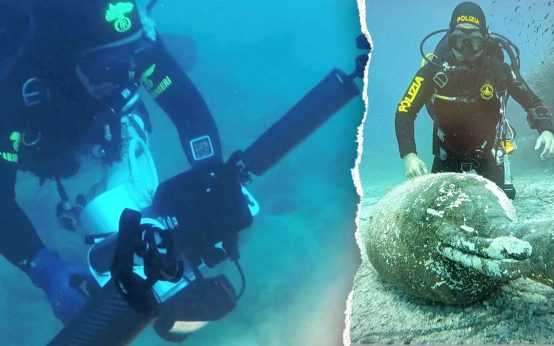 Police Discover Ancient Roman Artifacts Off Sardinian Coast
 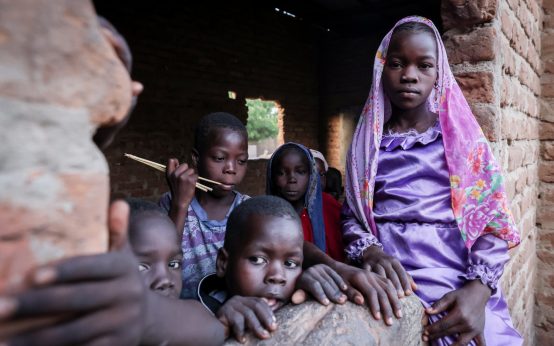 Urgent Need for Action in East Africa’s Food Crisis
 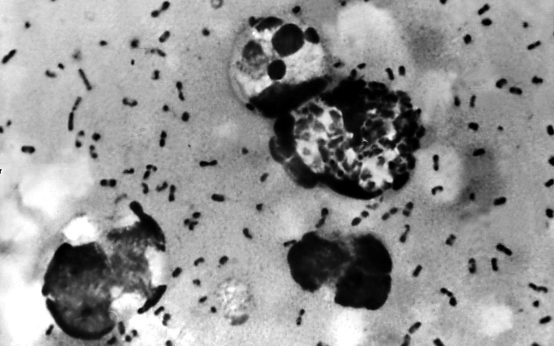 Suspected Plague Death in Siberia Sparks Health Measures
  G7 Nations Agree to Release 100 Million Barrels of Oil Amid Fuel Price Surge
  Co-Pilot Attempts Hijack on Flight to Tel Aviv