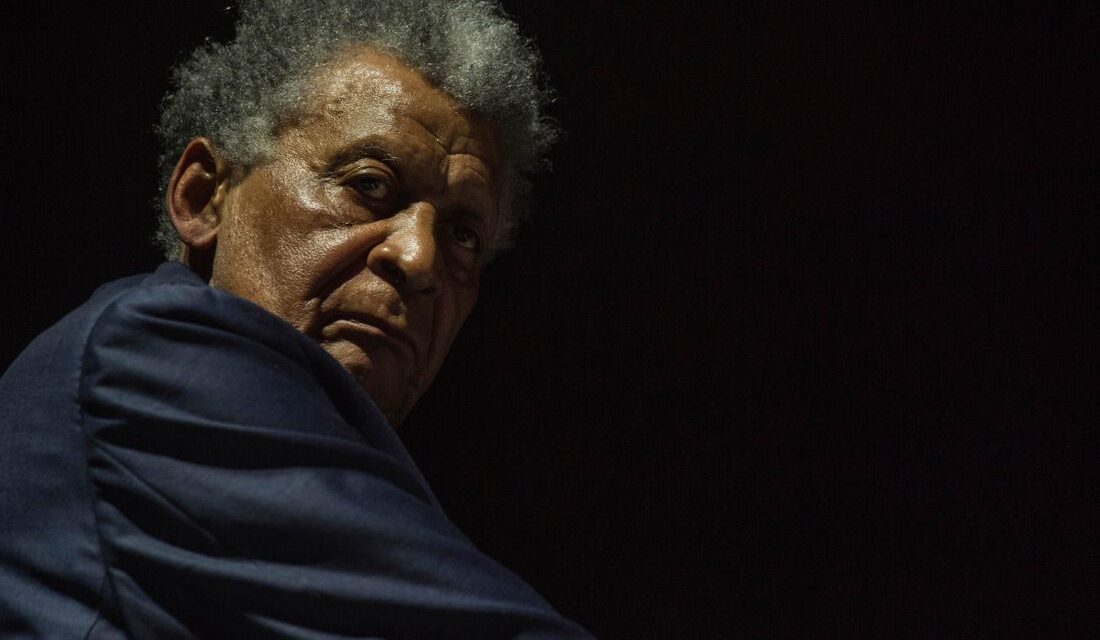
Abdullah Ibrahim, a renowned South African jazz pianist, passed away in Germany at the age of 91 after a short illness. His partner, Marina Umari, shared that his affection for South Africa and its people remained steadfast throughout his life. Ibrahim was often likened to Mozart by Nelson Mandela, reflecting the profound impact he had on South African music.
Early Life and Career
Born as Adolph Johannes Brand in 1934, he began his musical journey under the influence of his mother, who played the piano at their church. By 15, he performed professionally under the name Dollar Brand. In the late 1950s, he formed the Jazz Epistles with trumpeter Hugh Masekela, recording the first jazz album by an all-Black South African ensemble.
The group faced challenges, including government harassment following the 1960 Sharpeville massacre, prompting Ibrahim to move to Europe. In 1963, his future wife, vocalist Sathima Bea Benjamin, introduced him to Duke Ellington, leading to a significant collaboration.
Influence and Style
Ellington produced one of Ibrahim’s early recordings, which helped Ibrahim gain recognition on the European jazz festival circuit. His performances often featured a tranquil, contemplative atmosphere, turning venues into intimate settings. Pianist Vijay Iyer described Ibrahim’s performances as having a “meditative, hushed mystery of spiritual communing.” South African pianist Nduduzo Makhathini admired Ibrahim’s sound for resonating with familiar traditions while embracing diverse influences.
Life in America and Musical Evolution
After marrying Benjamin in 1965, Ibrahim moved to the United States, performing at the Newport Jazz Festival and filling in for Duke Ellington during an American tour. A 1967 Rockefeller Foundation grant allowed him to study at Juilliard, connecting with notable jazz artists like Max Roach and Ornette Coleman. He converted to Islam in 1968, adopting the name Abdullah Ibrahim and evolving his style to merge jazz and South African elements.
In 1974, Ibrahim returned to South Africa and composed “Mannenberg,” a piece considered an informal national anthem. The track, rumored to have been smuggled into Robben Island to be played for Mandela, underscored Ibrahim’s growing political involvement in support of the African National Congress during its ban.
Continued Impact and Recognition
During the 1980s, Ibrahim became a prominent figure on the international jazz scene, performing solo and with his band, Ekaya. His collaborations and contributions inspired musicians like Kenny Barron, who wrote “Song for Abdullah” after witnessing a performance featuring duets with Carlos Ward.
Ibrahim’s music significantly influenced a new generation of pianists in the 21st century. Makhathini highlighted Ibrahim’s encouragement to “prioritize that which defines you.” Abdullah wrote film scores and was featured in documentaries, continuing to release acclaimed recordings. In 2018, he received the NEA Jazz Masters Fellowship, a prestigious acknowledgment of his contributions to jazz.
Reflections on a Career
In a 2019 interview with Larry Blumenfeld of the Wall Street Journal, Ibrahim shared Duke Ellington’s advice that shaped his performances: mix old and new material, presenting older songs with freshness and new ones with familiarity. Reflecting on his life’s work, he expressed joy in achievements and noted that the journey in music continues.
 Controversy Surrounds Performances at Gillette Stadium
  Celebrity Controversies Over Political Activism and Speech
  Controversy Surrounds Gillette Stadium Performances
  Sharon Stone Discusses Abortion and Women’s Health on Podcast
  Pop Culture Quiz: Test Your Knowledge of Recent Headlines
  Legal Troubles of Real Housewives’ Children