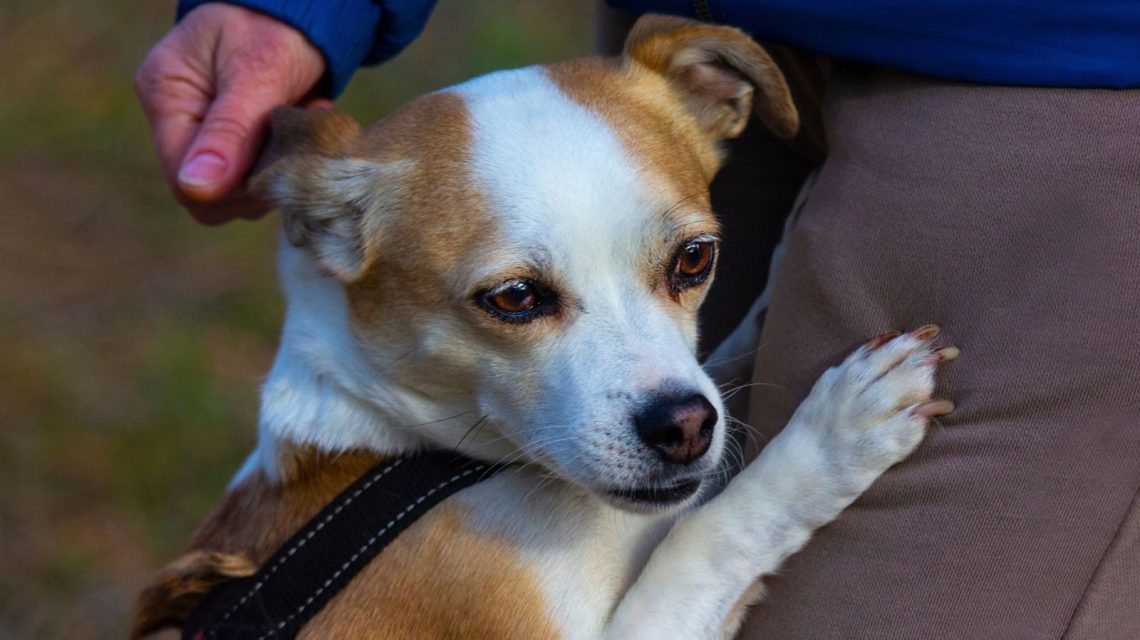
Dogs continuously learn which sounds or actions prompt reactions from their owners. When an owner loses their hearing, pets must adapt and find alternative communication methods. Dr. Linda Simon, a resident veterinarian at Pooch & Mutt, explained that dogs are highly receptive to their environment and past experiences. A dog might notice that a previous reaction to their bark, whine, or other noises has changed.
In response, dogs may use other means of communication, such as positioning themselves in front of the owner or making physical contact. This change reflects how dogs learn from the outcomes of their actions. Understanding this process can help owners support their pets in making the transition.
Encouraging New Communication Behaviors
Barking and whining are common attempts by dogs to capture their owner’s attention. Over time, they learn the outcomes of making certain sounds, like earning a piece of food through persistent whining at mealtime. However, if these sounds stop eliciting the expected response, dogs can alter their behavior.
“If these barks and whines are mostly ignored, they’ll likely reduce in frequency,” Simon stated.
For owners experiencing hearing loss, their dog may gradually become less reliant on vocalizations and start employing behaviors more likely to get noticed. Owners can reinforce these behaviors when they occur. For example, a dog that touches its owner’s leg instead of barking learns that this behavior also garners attention.
The time it takes for this adaptation varies among dogs. Intelligent breeds like poodles and collies might adjust faster. A dog’s age and previous experiences can also influence this process. Puppies, raised in homes with hard-of-hearing owners, may perceive the lack of response as normal faster than adult dogs coming from hearing families.
Implementing Hand Signals
Owners facing hearing loss can benefit from using hand signals. Dogs do not need verbal commands to understand their owners’ desires. This visual learning approach can help communicate effectively.
“Dogs do great with visual learning and can respond to hand cues and signals rather than vocal commands,” Simon noted.
There is no universal set of hand signals; each owner and dog might develop their own system. An owner could raise a flat palm to signal their dog to sit or waive an arm to indicate stopping a sit. Consistency is key to helping the dog learn the meaning of each gesture.
Owners should also recognize and respond to their dogs’ attempts to get attention through non-vocal means. By responding to physical touches instead of barks, dogs learn these methods are effective.
Adapting to hearing loss may require patience from both the owner and the dog. However, dogs learn continuously from their experiences and can adapt when their usual methods fail. This adaptation can lead to a relationship less reliant on sound and more on gestures, eye contact, and touch, while remaining deeply communicative.
 Effective Skincare Routine for Men with Particle Moisturizer
  Rising Trend: Solo Travel Gains Popularity
  Prepare for Rainy Fall Weather with Discounted Rain Jackets
  Review: Stokke Nighti 3-in-1 Convertible Cot Bed
  Embrace Failure: Turning Setbacks into Success
  Unusual In-Flight Behavior Leaves Passengers Stunned