
The discharge day in a neonatal intensive care unit (NICU) often marks a significant milestone for many families. After enduring weeks or even months of continuous monitoring, alarms, oxygen support, feeding tubes, and regular blood tests, families finally have the opportunity to bring their baby home.
However, the journey toward full recovery does not end here. Recent research highlights an alarming issue: even slight increases in air pollution can elevate the risk of severe respiratory conditions in preterm infants.
Studies reveal that the lungs of infants born prematurely are particularly vulnerable to environmental pollutants. The incomplete development of their respiratory system makes them more prone to diseases when exposed to elevated pollution levels. This increased susceptibility underscores the importance of maintaining clean air environments around these infants once they leave the NICU.
Ensuring good air quality is crucial for nurturing the fragile health of preterm babies. Families are encouraged to take proactive measures to protect their children from pollution, such as ensuring proper ventilation at home and limiting exposure to outdoor pollution. Public awareness of the risks can lead to better health outcomes for this vulnerable population.
 Higher Consumption of Ultra-Processed Foods Linked to Increased Health Risks
  Understanding Inflammation: Myths and Facts
 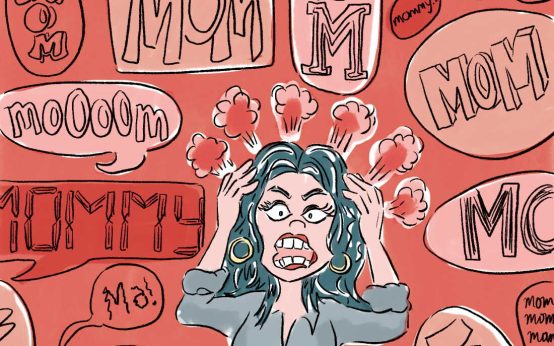 Calm Parenting: Strategies to Manage Stress
  Trump’s Executive Order to Combat Mosquitoes and Ticks in D.C.
  Overcoming Weight Loss Challenges: Brain Health and GLP-1 Medications
 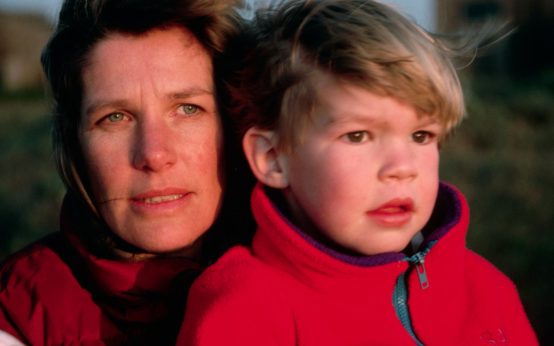 Supporting Children’s Mental Health at Home: Practical Steps for Parents