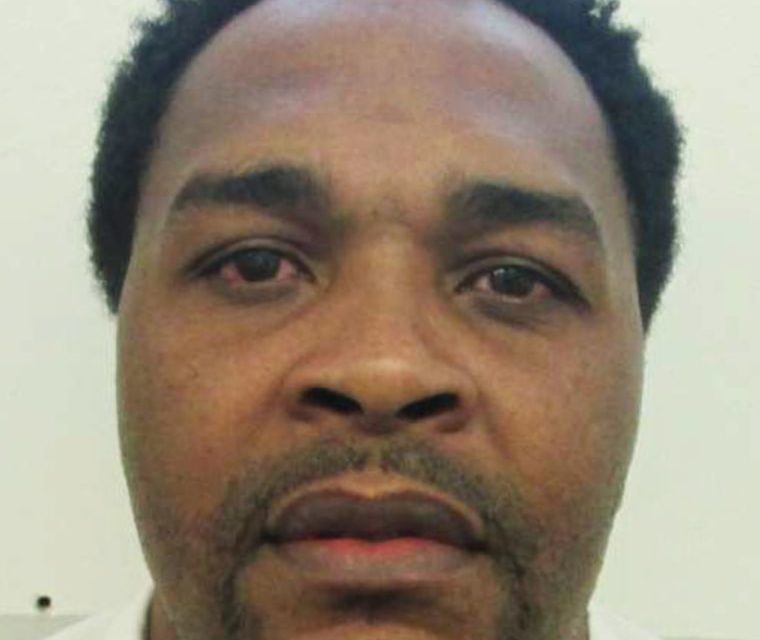
A death row prisoner, Jeffery Lee, experienced a mix of relief and continued determination after a federal court halted his scheduled execution. The court ruled that Alabama’s use of nitrogen gas violates the constitutional ban on cruel and unusual punishment. Lee, who has been on death row for nearly 30 years, spoke to NBC News by phone from the William C. Holman Correctional Facility in Atmore, Alabama, after a district court judge agreed to stop the execution.
Lee expressed his ongoing commitment to fight his legal battle, stating, “Fear not, I am not finished, and just, you know, to me, my faith is everything.” Despite the ruling, his legal status remains uncertain, as Alabama Attorney General Steve Marshall has filed an appeal. This could send the case to the Supreme Court, which previously allowed nitrogen executions after last-minute appeals.
Lee was slated to be the ninth person executed via nitrogen hypoxia, a method pioneered by Alabama in 2024. This execution involves breathing pure nitrogen through a mask while being denied oxygen. Seven of these executions have occurred in Alabama, with one in Louisiana. Alabama’s primary method of execution is lethal injection, but obtaining the drugs has become increasingly difficult in recent years. Lee challenged the use of nitrogen in a lawsuit filed last August.
“Indeed, many people find air hunger ‘worse than pain’ because it is associated with the fear of dying,” wrote U.S. District Judge Emily Marks in a May opinion, following a bench trial where testimony detailed the severe emotional distress caused by nitrogen executions.
Judge Marks initially upheld the constitutionality of the method, but the 11th Circuit Court of Appeals overturned her decision. The appellate court ordered a review of Lee’s request to be executed by firing squad. On Tuesday, Judge Marks permanently blocked Lee’s execution by nitrogen.
Attorney General Marshall argued against the firing squad, citing challenges such as finding willing shooters and the risk of painful errors. Witnesses have described agonizing death experiences during nitrogen executions, including struggles for air while tied to a gurney. In a prolonged October execution, prisoner Anthony Boyd was declared dead 30 minutes after nitrogen flow began.
Lee, reflecting on fellow inmates executed via nitrogen, referred to them as family. Convicted in 2000 for murders committed during a robbery, Lee has expressed remorse and believes in his redemption through faith.
Robert Dunham, director of the Death Penalty Policy Project, noted the significance of the federal court’s ruling, emphasizing that the evidence supports critiques of nitrogen execution as torturous. He explained that the outcome might shift depending on future Supreme Court decisions or a potential commutation from Alabama Governor Kay Ivey.
The state has two other execution methods: lethal injection and electrocution. Marks’ ruling does not guarantee Lee protection from these or the firing squad if it becomes legal in Alabama. Attorney MiAngel Cody described nitrogen executions as too flawed, expressing hope for clemency from Governor Ivey.
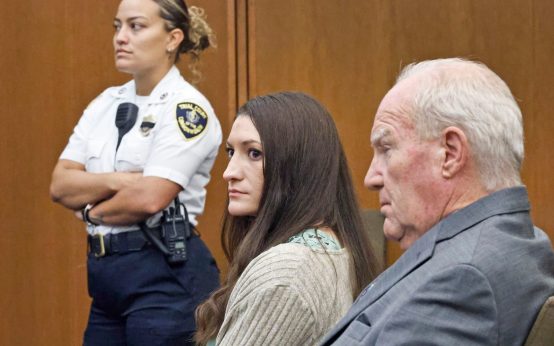 Lindsay Clancy Faces Potential Retrial After Mistrial
 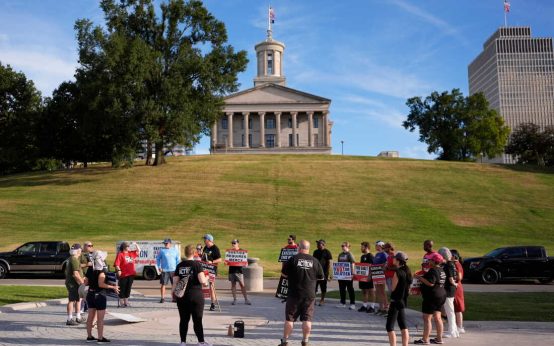 Tennessee Prepares for Rare Execution of Woman on Death Row
  Mistrial in Lindsay Clancy Case: Juror Speaks Out
  Utah Judge Orders Release of Man on Death Row After DNA Evidence Emerges
  Kurt Olsen Resigns from the Justice Department Amid Investigation
  New Developments in Cornell University Fraternity House Assault Case