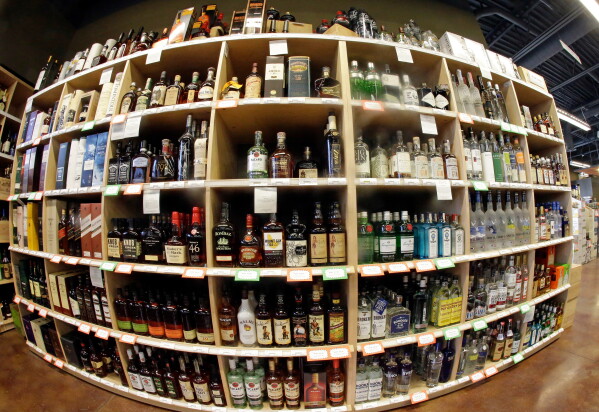
The Biden administration released a study on alcohol-related health harms independently. The Trump administration chose not to feature it in new dietary guidelines, facing pressure from the alcohol industry and a congressional committee. Published in the Journal of Studies on Alcohol and Drugs, the study indicated that health risks increase with just one drink per day. It found no protective effect of alcohol on mortality, even at moderate levels.
The study is one of two reviews intended to inform the new dietary guidelines. These guidelines, released earlier, advised reducing alcohol consumption for improved health. However, the study’s authors felt the guidelines lacked detailed advice on alcohol risks.
Bobby Vincent, a former official involved, accused the Trump administration of ignoring the research due to commercial interests. Trump’s administration denies these claims.
Vincent, who led this research effort, criticized the influence of commercial interests over policy decisions in his editorial alongside the study. He was laid off last year due to a reduction in force.
The Trump administration’s approach highlighted tension between the scientific community and its policies. The administration faced criticism for sidelining science, dismissing scientific staff, and cutting grants that supported medical advancements.
After a draft report release, the alcohol industry reacted against the study, leading campaigns to undermine its credibility. The House oversight committee also criticized it, alleging bias and preconceived conclusions by the researchers.
Emily Hilliard from the U.S. Department of Health and Human Services denied the study was ignored. She stated that it was reviewed with other scientific evidence for the 2025–2030 Dietary Guidelines. The guidelines reflected this broader scientific understanding rather than one report or analysis.
Vincent insisted the findings were scientifically valid, despite his claim of being asked to halt the study under the Trump administration. HHS did not address this claim directly.
The study argued for more specific recommendations on alcohol intake. While the Trump guidelines suggested less alcohol, researchers supported clearer advice for adults to limit intake to one drink or less per day. Dr. Timothy Naimi, a study author, emphasized the need for precise quantity information in guidelines.
The study contrasted with other government-commissioned research, which linked moderate drinking to lower mortality but higher disease risk. Researcher Priscilla Martinez-Matyszczyk clarified that their study focused on alcohol-specific mortality to avoid confounding factors.
Questions about alcohol’s social benefits were raised, notably by Medicare and Medicaid Services Administrator Dr. Mehmet Oz. Martinez-Matyszczyk responded that she knew of no studies separating social and health effects in drinking.
Naimi noted the research aligns with recent studies showing health improves with less alcohol. A 2019 Lancet study similarly linked moderate drinking to increased stroke and blood pressure risk without health benefits. Earlier beliefs about moderate drinking benefiting the heart have been challenged by more rigorous research.
Data indicates that around half of Americans aged 12 or older drank alcohol in the past month. A standard drink equals about a 12-ounce beer, a 5-ounce wine glass, or a liquor shot.
The Associated Press Health and Science Department receives support from the Howard Hughes Medical Institute’s Department of Science Education and the Robert Wood Johnson Foundation. The AP maintains full editorial control over its content.
 Increased Funding Needed for Psychiatric Hospitals
  Trump Administration Distributes ACA Refund Checks
  Higher Consumption of Ultra-Processed Foods Linked to Increased Health Risks
  Understanding Inflammation: Myths and Facts
 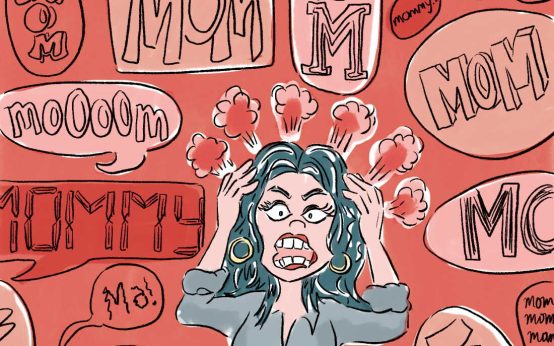 Calm Parenting: Strategies to Manage Stress
 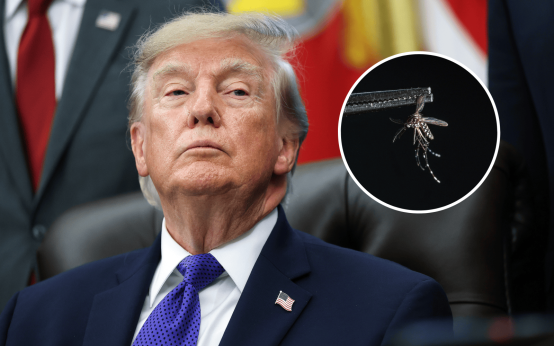 Trump’s Executive Order to Combat Mosquitoes and Ticks in D.C.