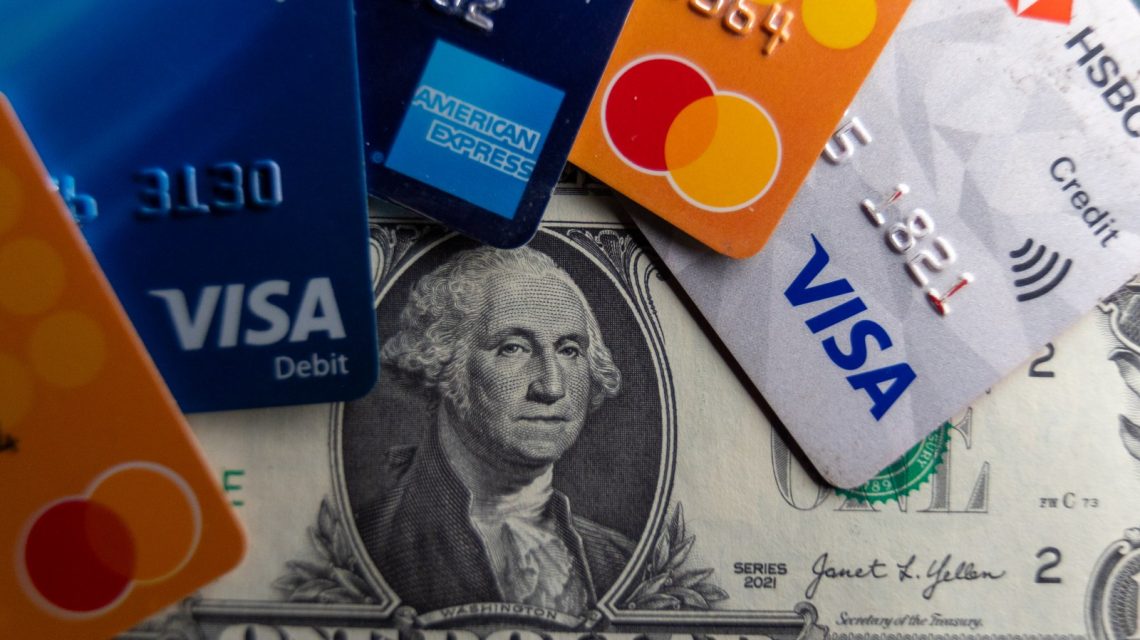
More Americans are finding it easier to secure higher credit card limits, with fewer rejections from lenders. This is according to the latest Survey of Consumer Expectations Credit Access Survey by the Federal Reserve Bank of New York. The survey indicates that consumers are accessing credit more easily than they could a year ago. Credit applications have reached their highest levels since October 2021, while rejection rates have fallen substantially compared to last year’s figures. This suggests that lenders might be becoming more willing to extend credit.
Understanding the Impact
Credit limits significantly affect financial health. A higher credit limit allows for better financial flexibility and can improve one’s credit utilization ratio, which is crucial for determining credit scores. However, increased demand for credit might imply that households are feeling financial pressure and resorting to borrowing for expenses.
Current Credit Landscape
The New York Fed’s survey implies that credit access is improving even as debt levels rise. According to Alex Beene, a financial literacy instructor, Americans feel confident enough to seek credit but remain cautious about their financial future. Rising application rates combined with low rejection rates are considered positive, suggesting increased lender willingness to offer credit, maintaining households’ access to finance.
The June survey indicated a rise in reported applications for various types of credit over the past year, reaching the highest point since October 2021. Although the overall rejection rate increased slightly from February, it was 16.1%, significantly below the 2025 rate of 23.1%. There was also a decline in perceived rejection likelihood for new credit cards, auto loans, mortgages, mortgage refinancing, and credit limit increase requests. This implies consumers feel more approval certainty than earlier in the year.
Expert Opinions
Michael Ryan, a finance expert, noted that people don’t generally request higher limits in positive situations. Approval rates indicate lender willingness, while application rates reflect household caution. Moreover, 34% of respondents expect to need $2,000 unexpectedly soon, and a third are unsure they could meet that need. He stresses that a larger unused credit limit helps reduce utilization and improve scores but warns credit lines are cost-effective to open but expensive to use.
Lending Environment
The trends might show lender confidence in the economy’s trajectory compared to last year. The labor market remains steady, and expectations for handling unexpected expenses have improved modestly from February. From February to June, the percentage of respondents who believed they could manage a $2,000 emergency increased from 63% to 66%. According to Drew Powers from Powers Financial Group, while higher limits might encourage higher balances and interest payments, they’re also relative to economic changes like inflation. Today’s $30,000 limit equates to a $20,000 limit ten years ago.
Ongoing Concerns
Experts caution that increased credit access isn’t necessarily an improvement in household finances. Kevin Thompson highlights inflation, noting food and energy costs drive consumers to credit for essentials. The survey revealed a heightened expectation of needing $2,000 unexpectedly, increasing to 34% in June. This highlights ongoing financial vulnerability despite easier borrowing.
Future Insights
The next New York Fed Credit Access Survey will release in November and should provide insights on whether application levels stay high and if rejection rates further decrease.