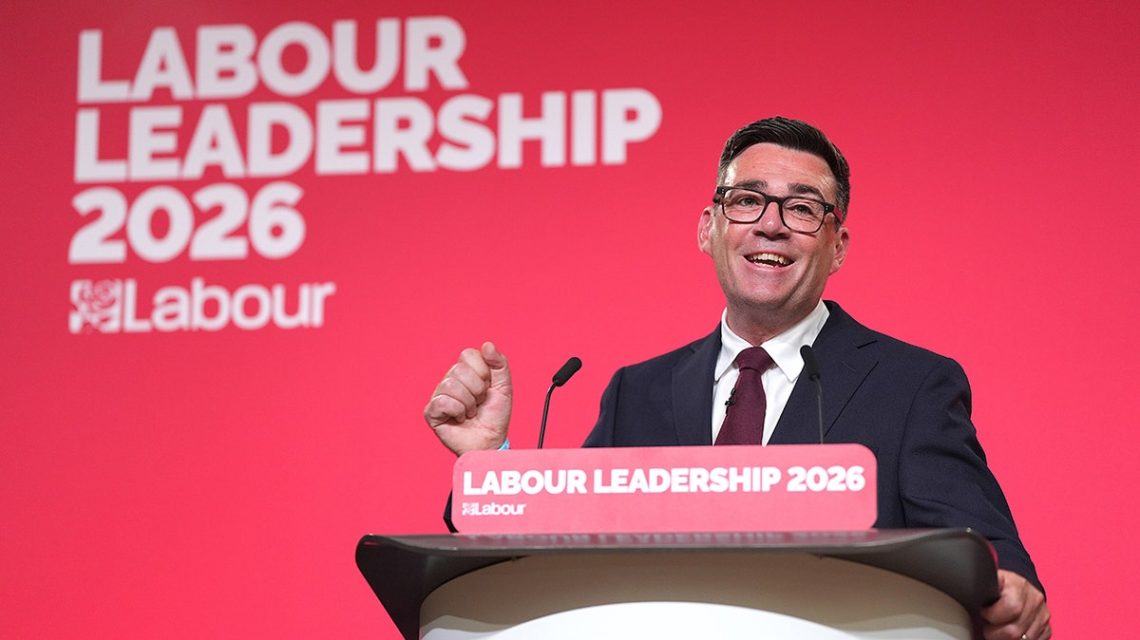
Britain’s incoming Prime Minister, Andy Burnham, made headlines with his first speech as Labour leader, taking a stance against the economic model of the 1980s established by Margaret Thatcher. Burnham, set to officially become prime minister on Monday, highlighted the need for greater public control over essential services, suggesting a move to the political left, away from Keir Starmer’s centrist approach.
Speaking in London on July 17, Burnham criticized decisions from the 1980s, where economic power was transferred to private companies, leaving citizens vulnerable to higher costs in housing, water, energy, and transport. These remarks indicated a departure from four decades of neoliberal policies which, according to him, have not benefitted the working-class communities that traditionally supported the Labour Party.
The government I lead will confidently lay that path out starting next week.Burnham emphasized the significance of this political change, marking it as a pivotal shift in Britain’s trajectory.
However, the details of his plans remain unclear. Alan Mendoza, the executive director of the Henry Jackson Society, remarked that Burnham’s speech was ideologically charged but lacked concrete strategies for implementation. The clarity of Burnham’s plans is awaited as Britain prepares for a new political chapter.
With memories of Britain’s “Winter of Discontent” from 1978-79 still present, where extensive strikes disrupted daily life, Burnham faces the challenge of defining the right course forward. The strikes back then led to a public demand for reform and the election of Thatcher’s Conservative government. Burnham’s critique of Thatcher’s policies raises questions about his intentions and the party’s direction under his leadership.
Despite the criticism, Burnham’s speech offered the most definitive insight into his agenda. He aims to shift the party’s focus away from competing with far-right or far-left approaches, proposing increased state involvement in essential services, regional government power, and expanded council and social housing.
Responses to Burnham’s approach vary. The Adam Smith Institute defended the Thatcher era, emphasizing its achievements like reduced tax rates, privatization, and increased homeownership. The Institute also highlighted the decline in strikes and inflation during that period.
Emma Schubart from the Henry Jackson Society expressed concerns over Burnham’s economic understanding and potential inconsistency in his proposals. She argued that while Burnham speaks of national renewal, he risks reverting to past state-dominated economic policies.
Despite these concerns, Burnham pledges to be a pro-business leader. He advocates for collaboration with private businesses and regional government empowerment. Yet, his ideological stance presents challenges in uniting Labour’s varied factions, appealing to financial markets, and addressing Reform UK’s emerging influence.
Mendoza warned of potential tensions with the Trump administration if Burnham’s policies conflict with U.S. interests. As Burnham prepares to be sworn in by King Charles III, his leadership will face scrutiny from domestic and international observers.
Efrat (Effie) Lachter, an esteemed investigative journalist, contributed to this report. With extensive experience in documentary filmmaking and journalism, Lachter brings a wealth of knowledge to the insights on Britain’s current political landscape.
 The Trump Team’s Challenge to the Military Leadership
  Maryland First State to Restrict Electronic Pricing in Grocery Stores
  Activists Push for Nationwide Ban on Child Marriage in the U.S.
  Democratic Hopes and Historical Warnings in 2026 Senate Race
  Republicans Face Challenges Amidst Cost of Living Concerns
  A Different Kind of Fall for Congress This Year