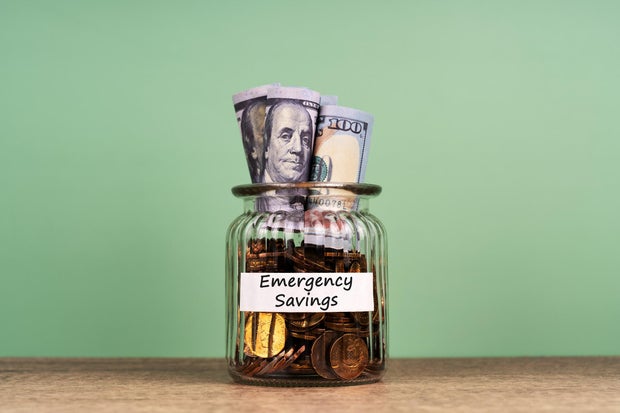
The current economic climate is placing significant financial strain on many Americans. Rising inflation is impacting the cost of essentials, making budgeting difficult. As a result, more people rely on credit cards to meet their needs. However, high credit card interest rates are adding stress, as interest charges increase financial burdens.
A study from Achieve highlights the serious financial and emotional toll of growing debt. Many borrowers experience continual stress related to their debts and monthly expenses. While some focus solely on debt repayment thinking it is the best approach, this might create another financial risk. Without an emergency fund, unexpected expenses can force a return to credit cards, perpetuating a costly debt cycle.
Finding the Balance
Balancing debt repayment with building an emergency fund is generally the better strategy. The traditional benchmark for emergency savings is three to six months of living expenses. Yet, for those actively repaying high-interest debt, this may not be practical. Establishing a starter emergency fund, ranging from $1,000 to $2,500, offers a solution.
This smaller cash reserve provides a safety net against common financial disruptions like car repairs or medical expenses, without diverting too much from debt repayment. Once debt is cleared, you can then focus on building a larger fund.
Your circumstances should guide how much you save. Variable incomes or self-employment suggest a need for higher savings. Homeowners might need more than $1,000 due to the high cost of home repairs. Conversely, renters with stable income may manage with less. The type of debt also matters. High-rate credit card debt should push for minimal emergency savings and aggressive repayment. Low-rate loans, like student loans, are less urgent.
When Debt Relief Makes Sense
Some borrowers face debts too large to manage through standard repayment. If monthly minimums take up much of your income, building even a small emergency fund can seem impossible. Exploring debt relief options might offer a way forward.
Debt consolidation via loans or balance transfers can lower interest rates and simplify payments. This can help free up cash for savings. Credit counseling agencies offer debt management plans, providing lower rates and a structured repayment timeline.
Debt settlement involves negotiating with creditors to lower the total amount owed, making repayment more feasible. In extreme cases, bankruptcy might be considered, though it carries substantial credit implications and requires careful consideration.
Consulting a debt relief expert or certified credit counselor can help determine the best path based on your income, debts, and financial goals. The ultimate aim is achieving manageable debt levels, enabling you to build financial resilience and accumulate emergency savings.
Conclusion
A universal emergency savings number doesn’t exist, but for most, a starter fund between $1,000 and $2,500 finds a good balance. This amount can handle common financial setbacks without hindering debt repayment. If debt remains unmanageable, exploring debt relief options might be a more effective first step.