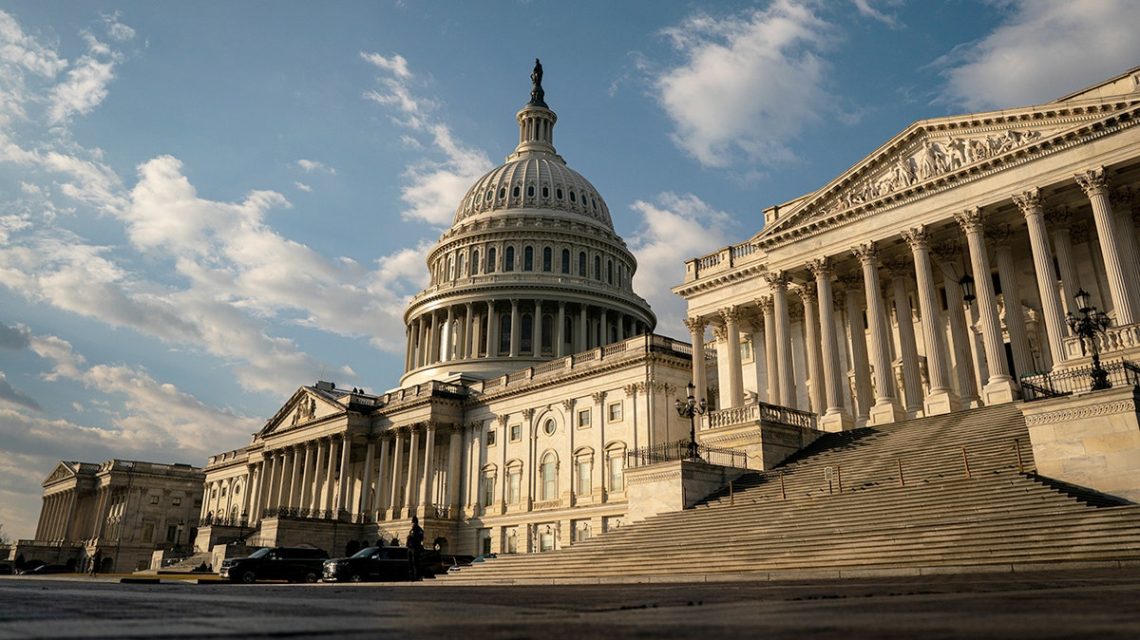
The upcoming 2026 midterm elections have stirred a political debate with Republicans aiming to link Democrats to the Democratic Socialists of America (DSA). Evan Power suggests that this strategy will favor the GOP, particularly in conservative states like Florida. Alternatively, Morgan Harper argues that Democratic candidates are concentrating on economic populism, appealing to the base.
Republicans hold slim majorities in Congress, controlling the House by a narrow 218-212 margin, with four seats vacant and one independent member. The party also leads the Senate with a 53-47 majority. With all House seats and 35 Senate seats up for election, Democrats need a modest net gain to regain control.
Fox News Power Rankings indicate challenges for the Republicans. Historically, the party out of power performs well in midterms. However, GOP advantages include redistricting wins in states like Florida and Texas.
GOP Challenges
Republicans face the challenge of countering the Democratic Socialist victories in New York, which have affected the political landscape. The GOP is connecting these wins to broader concerns about socialism spreading nationwide. GOP fiscal strategies aim to reject socialist financial policies, highlighting alleged Democratic missteps.
RNC Chair Joe Gruters asserts that the party is in a strong position to secure victories thanks to economic turmoil under President Biden’s administration. He cites inflation and high gas prices as weaknesses that Republicans can exploit.
“Under Biden, we had some of the highest inflation ever,” Gruters explained.
Democratic Committees Respond
On the Democratic side, the Democratic Congressional Campaign Committee (DCCC) tackles economic concerns. Its campaign notes Republican policies have strained Americans financially, from healthcare to everyday expenses. This is underscored by a Fox News poll showing a 7-point preference for Democratic candidates over Republicans.
Senate and Financial Campaign Battle
Republicans working to maintain control in battleground states funnel significant funds into campaigns. Democrats, driven by voter dissatisfaction with incumbents, hope to leverage economic concerns and foreign policy issues. The Democratic Socialists continue to disrupt traditional Democratic strategies.
Voter sentiment reveals strong opinions about capitalism and socialism. Democrats show greater favorability toward socialism, while Republicans prefer capitalism. These differing perspectives underscore the ideological battle within voter bases.
The financial aspect of the campaign continues as the RNC holds a substantial monetary advantage. The party has accumulated $125.5 million compared to the DNC’s $14.9 million, which is also managing debt. Despite less cash, the DNC positions its investments as strategies for future success.
With governorships at stake, the Democrats aim for advancement in key states while the Republicans seek to maintain their positions. Both sides understand the governors’ roles in shaping long-term policies.
Voter Motivations
Voter dissatisfaction and desire for change underline the political climate. Fox News polls reveal negative perceptions of current economic conditions. Democrats are seen as better equipped to handle various key issues, including healthcare and income inequality. Conversely, Republicans claim advantages in addressing crime and national security.
Encouraging voter turnout remains critical as Democrats show higher motivation levels, particularly regarding issues of inequality. The upcoming elections will determine the political trajectory for Republicans and Democrats alike.
 Steve Hilton’s Latino Outreach and Gubernatorial Ambitions
  The Need for Reform in Presidential Nominations
  Controversy Surrounds Performances at Gillette Stadium
  Celebrity Controversies Over Political Activism and Speech
  Trump Pushes for Permanent Daylight Saving Time, Sharing Senator’s Contact Information
  Tucker Carlson’s Comments on Britain’s WWII Decision Ignite Controversy