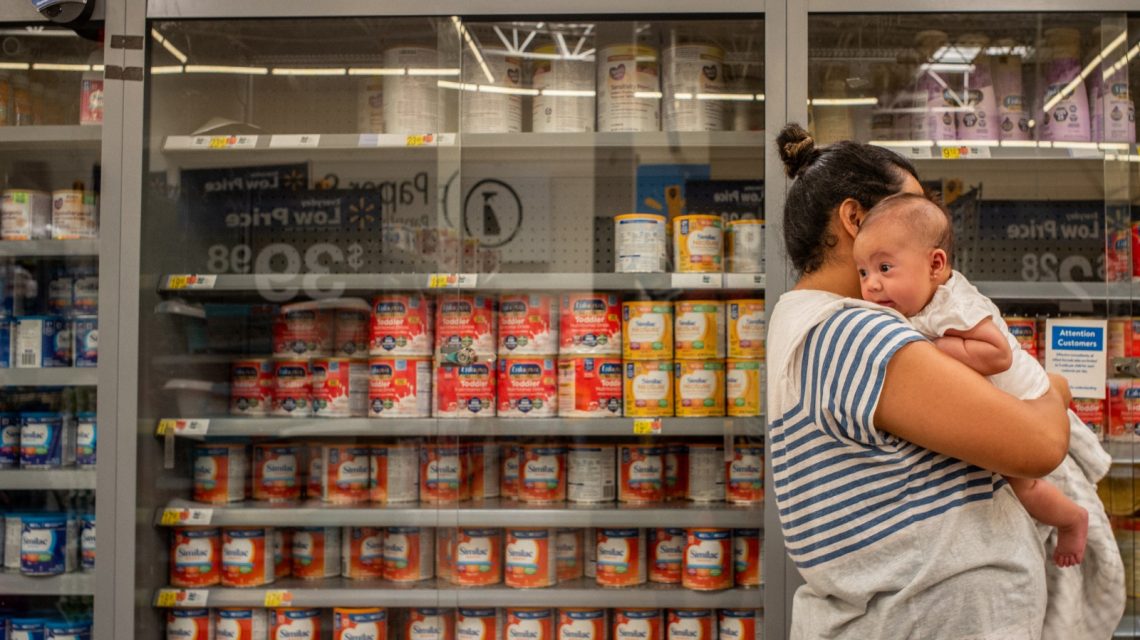
Republican lawmakers are urging Health and Human Services Secretary Robert F. Kennedy Jr. to enhance federal scrutiny of infant formula. They argue that parents need stronger protections from heavy metals and contaminants found in products used by millions of infants.
Most babies rely on formula during their first year. Whether it’s used in conjunction with breast milk or as their sole diet, a Food and Drug Administration (FDA) study found the U.S. formula supply safe. However, lawmakers and consumer advocates demand formal limits and increased transparency from the government.
Two bills have been introduced in Congress to push for establishing contaminant standards in infant formula. These bills also promote research into the health impacts of toxic metals like arsenic, lead, cadmium, and mercury. The timing is critical as the debate over formula safety intensifies.
“Under Secretary Kennedy and President Trump’s leadership, the FDA has conducted the most extensive U.S. review of contaminants in infant formula to date,” an HHS spokesperson stated to Newsweek. “The agency has expanded testing, reduced contaminant levels, and increased transparency for parents. Protecting young children is vital to the Department’s mission.”
Impact of New Legislative Proposals
Florida Representative Brian Mast introduced the FORMULA Act of 2026 on July 20. The bill seeks to amend the Federal Food, Drug, and Cosmetic Act, compelling Kennedy to establish maximum permissible levels for contaminants in infant formulas. This legislation aims to bolster federal oversight.
Under the act, regulations would consider several factors, including the cumulative health impacts of contaminant exposure on infant neurodevelopment, prevalence in soil and water, and the bioaccumulative nature in humans. The bill also mandates realistic goals based on current technologies and associated costs.
Manufacturers would need to test infant formula, maintaining records for at least two years post-expiration, and make them available upon request. Annual reports to Congress would list manufacturers violating standards, specify contaminant concentrations found, and update progress.
Contaminants cited include polyfluoroalkyl substances, microplastics, phthalates, synthetic pesticides, and biological toxins. The bill has one cosponsor, Republican Representative Buddy Carter from Georgia, and is pending a House Committee on Energy and Commerce vote.
“Parents deserve certainty about the safety of what they feed their children,” Carter emphasized. “This bill is a crucial step towards better safety standards.”
Further Legislative Efforts
Another bill waiting for a vote in the same committee is the Safe Baby Formula Act of 2026. Presented on July 27 by Michigan Representative Tom Barrett, it requires a study on the effects of arsenic, cadmium, lead, and mercury in infant formula.
The act also demands HHS to set action levels for these contaminants. Kennedy is expected to weigh compliance feasibility, enforcement capacity, and the impact on domestic food security. Previous formula shortages have left parents struggling to find adequate supplies.
“Parents shouldn’t worry about the safety of their child’s food,” Barrett stated. “It’s time for serious reforms offering transparency and access to healthy options.”
Current Standards and Concerns
Advocates argue that the U.S. lacks enforceable limits for several infant formula contaminants, unlike European Union countries, Canada, and Australia. The issue gained attention after Consumer Reports revealed varying levels of heavy metals and contaminants in certain formulas, prompting scrutiny.
Consumer Reports found that half of the 41 powdered formula types tested contained potentially harmful levels of at least one contaminant. The problem with arsenic, for instance, is its presence in the Earth’s crust, making it both naturally occurring and carcinogenic. Inorganic arsenic was found in popular formulas, like EleCare Hypoallergenic and Similac Alimentum.
Although there are no established formula limits for arsenic, the Environmental Protection Agency (EPA) sets 10 parts per billion (PPB) as the limit for drinking water.
In April, the FDA released results from its rigorous testing program on U.S. sold infant formula. After analyzing over 300 samples, the agency deemed most products safe, with low contaminant levels.
“Infant formula generally meets high safety standards,” Kennedy remarked. “We will hold manufacturers accountable for transparent, trustworthy data.”
Best Baby Formula Options
The FDA’s analysis reassures most formula products sold in the U.S. are safe. Consumer Reports found significant differences among products’ contaminant levels. Some formulas stood out for low or undetectable levels of arsenic, lead, and others.
Consumer Reports identified several good choices, including varieties from Enfamil, Similac, Bobbie, and Earth’s Best. Store-brand formulas also performed well, offering budget-friendly options.
- Enfamil Infant Formula concentrated
- Enfamil NeuroPro ready-to-feed
- Enfamil Optimum ready-to-feed
- HiPP Organic Whole Milk ready-to-feed
- Kendamil First Infant Milk ready-to-feed
- Similac 360 Total Care ready-to-feed
- Similac Advance concentrated
- Similac Pure Bliss Organic ready-to-feed
Doctors advise selecting formula based on nutritional needs and consulting healthcare providers before making changes. Availability and infant tolerance are crucial factors.
Preparing Baby Formula Safely
While oversight focuses on formula, experts stress preparation importance. Contaminants can be in water, which is why public health experts suggest understanding local water quality.
Consumer Reports noted exposure can stem from water used. Ready-to-feed formulas, often used initially in a baby’s life, should not be mixed with water. Distilled or purified water is safe and recommended to remove contaminants. Boiling tap water and cooling it down can kill bacteria and parasites. Specific instructions and pediatric guidance should be followed.
Contaminant debates persist, yet lawmakers aim to focus on formula itself. Though FDA’s findings reassured many, Republicans call for stricter standards and transparency. Secretary Kennedy’s actions will likely shape future discussions on infant formula safety.
 Early Detection of Atherosclerosis and Heart Disease Prevention
  Church Attendance Linked to Increased Sexual Satisfaction for Married Couples
  Dining with Loved Ones May Benefit Blood Sugar Levels
  Urgent Need for Action in East Africa’s Food Crisis
  Facing Terminal Illness: Embracing Life’s Moments
  Eating with Partners May Impact Blood Sugar Regulation