Prosecutors argue that victims who choose to drink or use drugs face substantial challenges in proving they were incapable of consenting during assaults. A legislative initiative aims to address this issue.
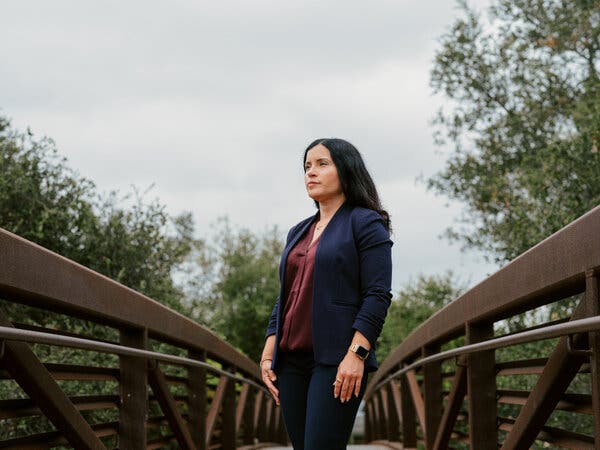
Leslie Hunt recounted being raped in October 2015 after going out for drinks with a colleague. She eventually woke up in a Brooklyn hospital.
A young woman testified about an experience with two male friends where they drank at one man’s home. She fell ill and was carried to bed, drifting in and out of consciousness. During this, both friends and a third man allegedly had sex with her as she expressed a desire to go home.
Westchester County prosecutors insisted that consent was absent, asserting that the woman was raped. However, Richard Ferrante, defending one of the men, contended that his client believed all actions were consensual. Juror disagreement led to a mistrial, with the men pleading guilty to lesser charges to avoid imprisonment.
The case underscores potential legal changes through a pending bill in the New York Legislature, targeting challenges in prosecuting rape when victims are voluntarily intoxicated. Presently, the law disregards claims of ‘mental incapacitation’ during voluntary intoxication. Defense attorneys maintain that victims can argue they were ‘physically helpless,’ meaning unconscious or unable to communicate consent. Supporters of the bill claim this definition excludes those who are semiconscious, slurring, or unsteady before assault.
 Former Biden Administration Prosecutor Faces Criminal Investigation Referral
  Former NYPD Sergeant Pleads Guilty to Impersonating ICE Official
  Venezuelan Driver Charged with Assaulting ICE Officer in Texas
  Reopened Investigation in Alleged Rape Case at Cornell University
  DHS Refutes Claims on ICE Arrest Guidelines
  Mother Arrested After Infant Found Abandoned by Dumpster in Riverside