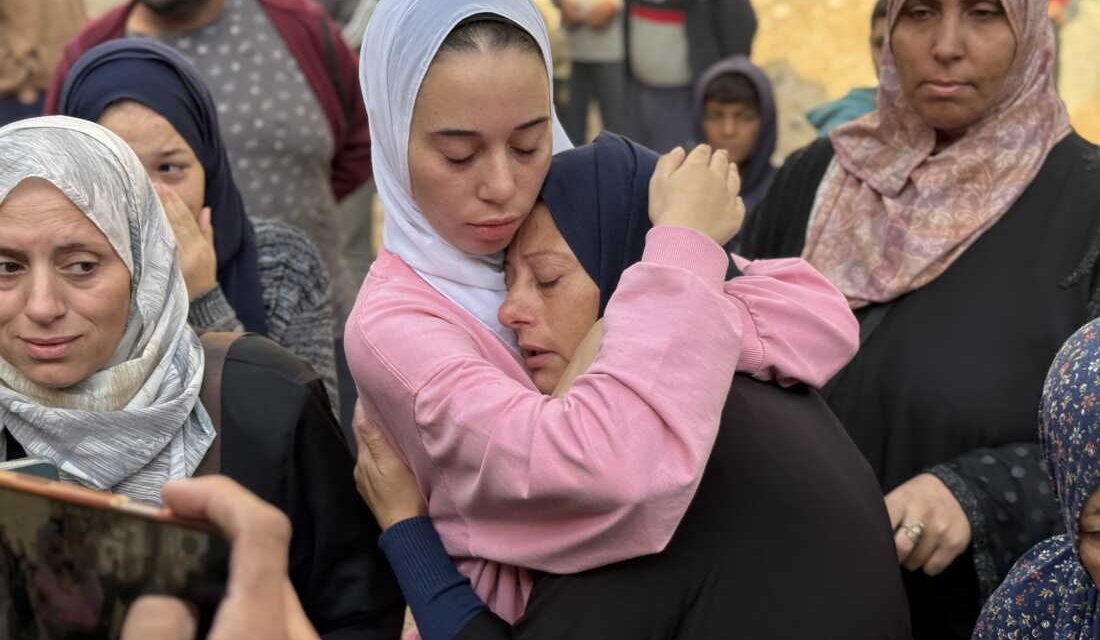
The aftermath of prolonged conflict in the Gaza Strip continues to affect countless lives despite a ceasefire agreement. On Nov. 20, 2025, a Palestinian mother mourned the loss of her son, killed in an Israeli airstrike just over a month into the ceasefire. This tragedy unfolded at Al-Shifa Hospital in Gaza City.
President Donald Trump’s announcement of peace through a ceasefire arrangement promised an end to the hostilities. Israel agreed to halt its military operations in Gaza, while Hamas consented to release Israeli hostages. This agreement took effect on Oct. 10, 2025. However, contrary to initial promises, no international peacekeeping force has been deployed in Gaza. Reconstruction efforts remain absent as well.
Israel’s military has expanded its control over 70% of Gaza, compressing over two million Palestinians closer to the coast. Continual targeting of Hamas resulted in over 1,400 Palestinian deaths in the past year, with nearly 500 being women and children, according to Gaza’s Health Ministry. Despite a slowdown in bombings during the ceasefire, the attacks persist.
U.N.-backed experts declared a famine in northern Gaza last year. With the ceasefire, food supplies have increased, providing relief and reversing starvation throughout the region. NPR reporter Anas Baba captured both moments of respite and ongoing sorrow throughout these 12 months. His photographs document Palestinians returning to the ruins in Gaza City after Israeli forces ended their ground offensive at the ceasefire’s commencement.
In Khan Younis, families celebrated the exchange of Palestinian prisoners for Israeli hostages on Oct. 13, 2025. Yet the scars of war persist. At Al-Shifa Hospital on Oct. 23, 2025, children like Joud Al-Angar, 12, suffered wounds from Israeli munitions, mistaking shrapnel for usable coal. Shrouds covered multiple bodies in the hospital morgue on Nov. 20, following renewed airstrikes on homes and tents.
The aftermath of these strikes leaves families assessing destruction, like the tragic loss of a home in Gaza City six weeks into the ceasefire. Despite this turmoil, humanitarian aid reached those in need, as illustrated by families traversing flooded streets in Gaza City on Nov. 25, 2025. TechMed Gaza introduced virtual reality therapies for children to support trauma recovery.
Struggles for survival are evident as harsh winter conditions challenge those dwelling in makeshift tents. On Dec. 10, Saqer Al-Ankah cradled his dying granddaughter at Baptist Hospital, a victim of Israeli troop aggression in northeast Gaza. Concurrently, the U.N. attributes 1.5 million people with only these shelters due to extensive destruction during the war.
Families like Raed el-Ghazawi’s endure bitter cold in such tents. Meanwhile, resilience persists among Palestinian Christian children decorating a Christmas tree in Gaza City post-conflict. Fresh produce reappeared in markets on Dec. 23, alleviating famine conditions driven by restricted aid.
Access to healthcare faced obstacles as Israel banned aid organizations from Gaza at year’s end. Despite these challenges, expressions of freedom and healing continued, with artists gathering for therapeutic painting sessions on the beach.
Palestinian rescue workers tirelessly retrieved bodies, including Shawqi Abu Naser, from rubble months post-strike in Beit Lahia. Community rituals persisted, evidenced by early morning prayers marking Ramadan’s end on March 20, followed by joyful Eid al-Fitr celebrations.
The enduring community spirit is captured as children engage with Hamas militants during festive occasions. Yet, Israeli restrictions remain, illustrated by U.N. food aid deliveries requiring permission for entry.
As territory control expanded with military placement, Palestinian access became increasingly limited. Despite this, young chess enthusiasts revived tournaments, offering distraction and engagement.
Amid reminders of loss, such as rubble murals, daily life intertwined with conflict. Violent confrontations took more lives, including Izz al-Din al-Haddad’s family following an airstrike.
Efforts to resume normalcy persist as children play during Eid holidays in restricted zones. Yet, remains of violence echo, visualized by teenagers affected by airstrikes along bustling streets.
Physical reminders of ongoing attacks confront residents as smoke rises post-strike. Community moments like World Cup screenings amidst rubble portray resilience among displaced individuals.
Recovery efforts remain daunting, as bodies wrapped in Palestinian flags symbolize the prolonged impact of conflict. Sorrow anchors family members mourning loved ones lost to violence.
Initiatives like Swim With Gaza illustrate attempts to foster healing through communal support activities. However, blood-stained toys highlight continued suffering following aggressive operations.
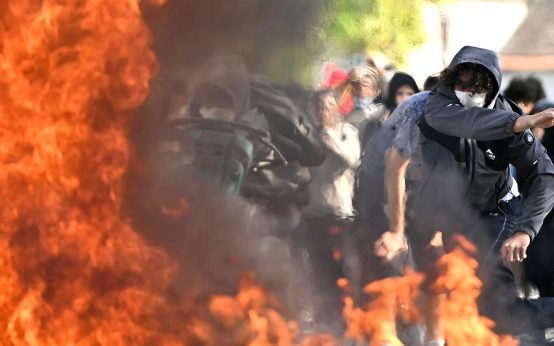 Unrest in France: Student Protests Reveal Deeper Issues
  Challenges of Horizontal Escalation in Global Conflicts
 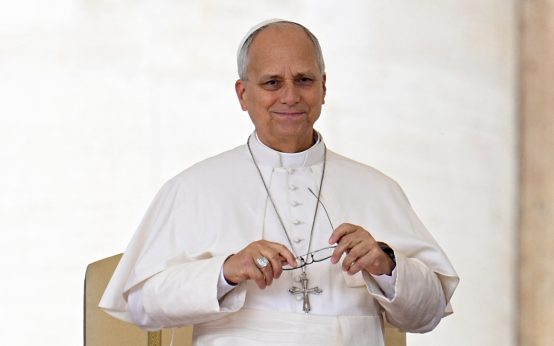 Pope Leo XIV Condemns Use of Death Penalty in Light of Planned Livestream Execution
 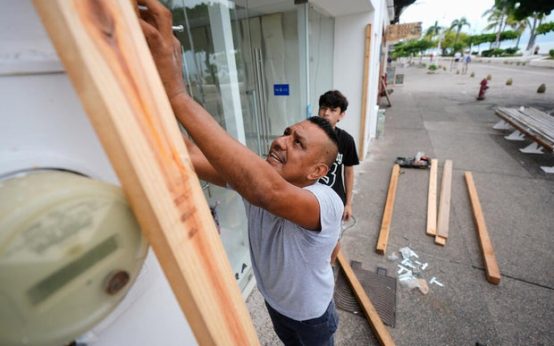 Hurricane Simon Approaches Mexico’s Pacific Coast as Category 4
 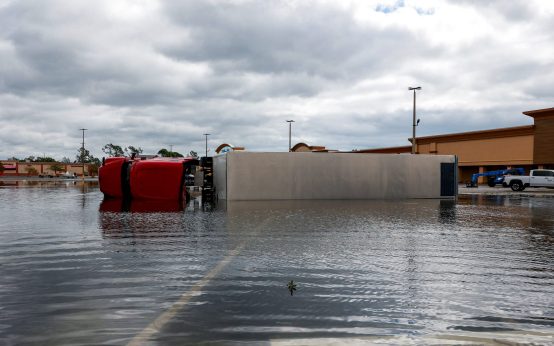 Severe Weather Impact Across United States and Mexico
 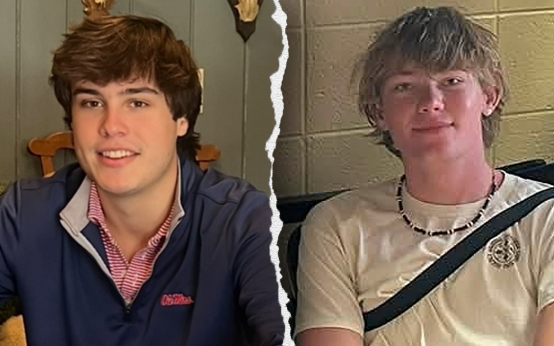 Substances Found in Ole Miss Students Before Their Deaths Linked to Local Store