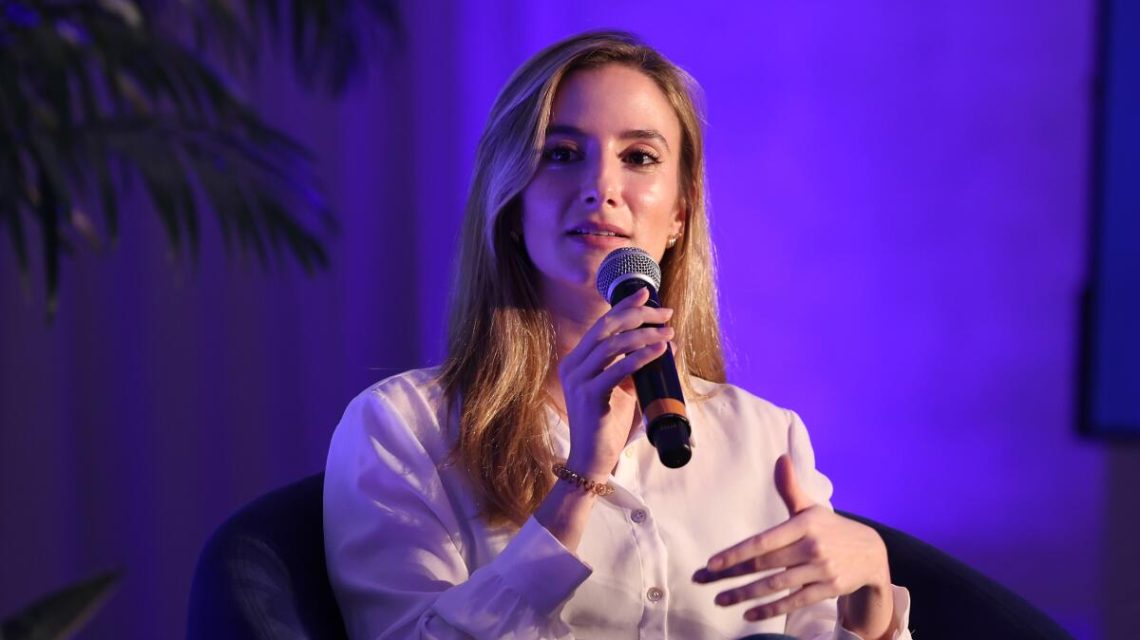
An unexpected group raised claims of election fraud during the Los Angeles mayoral primary—participants tracking Republican Spencer Pratt’s performance on prediction markets. These online exchanges allow bets on nearly any event. Remarks surfaced on Kalshi, a leading trading platform, with users alleging ballot manipulation. The claims extended into social media, where influencers for prediction market platforms questioned the process. Kalshi instructed these users to delete posts violating company guidelines.
The spread of misinformation by people financially invested in election outcomes invites scrutiny on prediction markets. Scholars express concerns about these platforms’ potential impact on democratic engagement.
Elections are not a game,said Davina Hurt, director of government ethics at Santa Clara University.
While supporters argue in favor of the markets’ accuracy and influence, their rapid growth raises legal and ethical questions. Congress and state lawmakers debate regulation, insider trading risks, and whether platforms can self-regulate.
Insider Trading Concerns
Instances like an Army soldier indicted for betting on a U.S. operation highlight serious insider trading concerns. Similar cases, involving highly profitable bets related to international tensions, prompted Congressional inquiries.
A Republican-led House Oversight Committee launched an investigation into insider trading, with bipartisan legislative proposals focusing on putting boundaries in place. Meanwhile, the Commodity Futures Trading Commission proposed a new framework to address these issues.
Some lawmakers, such as Sen. Adam Schiff, criticize the agency for lacking adequate resources and leadership to effectively handle election misinformation dangers.
The Nature of Prediction Markets
Prediction markets involve users trading on future event outcomes, often regarded as providing more accurate forecasts than polls, according to academic research. Critics claim these markets could be manipulated financially, affecting political dynamics.
Companies like Kalshi attempt to mitigate issues by enforcing bans on questionable practices and referring cases of potential insider trade to law enforcement. For instance, Polymarket referred nearly 100 suspicious activities involving improper trading to authorities.
Regulatory and Ethical Challenges
California lawmakers, among others, are revisiting policies surrounding prediction markets’ influence on elections. Critics worry these platforms open new pathways for ‘dark money’ to interfere with political processes.
Officials like Assemblymember Maggy Krell emphasize the potential risks to democratic integrity. Despite these issues, prediction markets have instituted various measures to self-regulate and prevent misconduct.
Aaron Klein of the Brookings Institution reflects public concerns over election integrity and highlights the necessity for cautious regulation to ensure fair elections.
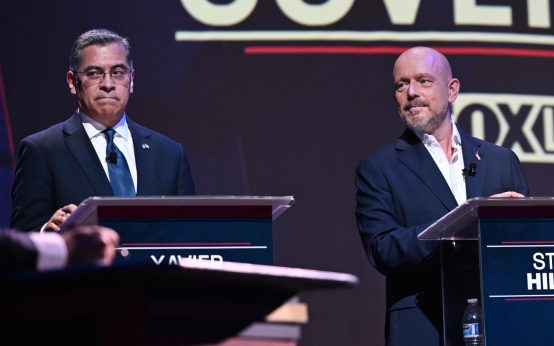 Xavier Becerra and Steve Hilton Debate on California’s Future
 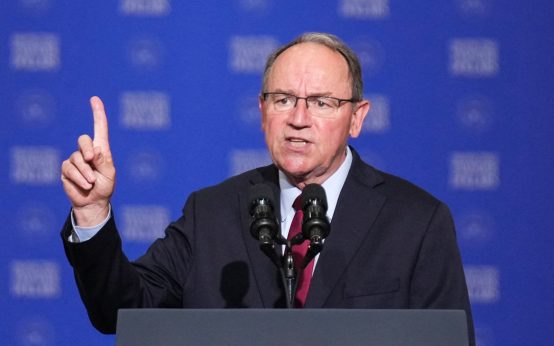 Wisconsin Gubernatorial Race: Tiffany vs. Crowley in a Tight Contest
  California Gubernatorial Debate: Becerra vs Hilton
 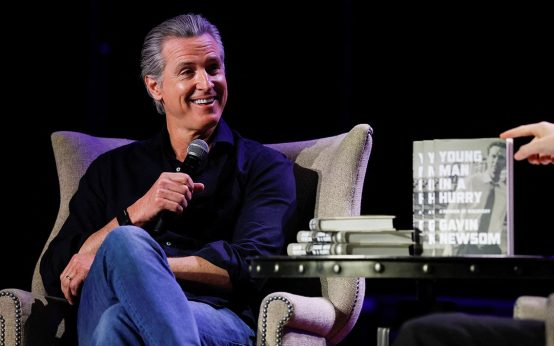 Gavin Newsom Seeks Inspiration from Bill Clinton for Potential Presidential Run
  California Superintendent Candidate Stands Firm Against Teachers Union Criticism
  Trump Highlights Investment Amid Economic Concerns