
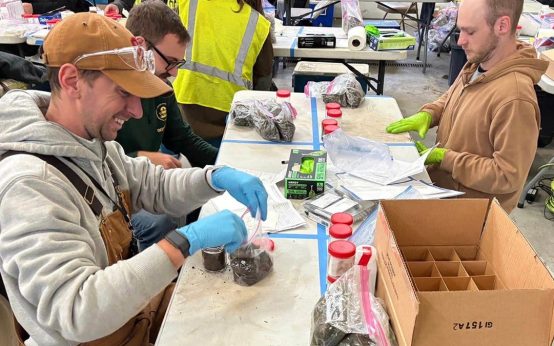
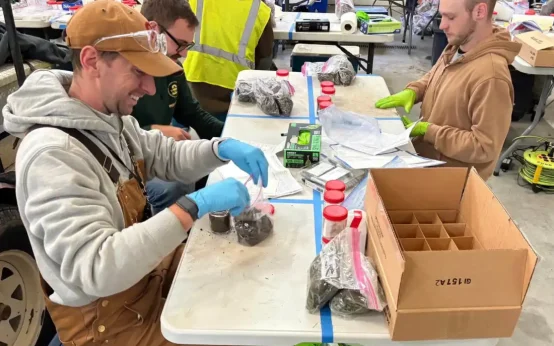
The U.S. Environmental Protection Agency (EPA) is actively involved in monitoring potential environmental impacts at an ammunition plant in Augusta, Iowa. Technicians are collecting soil samples in areas close to the Army Ammunition Plant. This effort comes as state officials, environmental advocates, and local residents express concern about an upcoming Army operation.
The Army intends to detonate aged lead-based explosives at the Iowa site on Wednesday. This planned action has sparked fears of releasing hazardous chemicals into the atmosphere. Experts caution that these chemicals could drift up to 100 miles from the location of the blast.
Many voices, including those of local communities and environmental organizations, are urging a reconsideration of the Army’s plan. They emphasize the potential long-term health risks linked with exposure to such chemicals. There is also a keen focus on understanding how far any airborne debris might spread, posing a risk to surrounding areas.
The importance of adequate safety measures and detailed impact assessments cannot be overstated. This situation highlights the ongoing dialogue between government agencies, environmental groups, and the public regarding how to manage hazardous materials safely and responsibly.
 Lab Tests Show No Lead Contamination in Iowa Water After Detonation
 Snow Geese Migration: A Majestic Sight on Canadian Prairies
 Sharpie Marker Conceals Blade at Airport Screening
 EPA Monitors Lead Azide Detonation Effects in Iowa
 Two Earthquakes Hit Central California
 Exploring the World of Solitary Bees in Urban Environments