The head of Tennessee’s prison system has stepped down following a failed execution attempt that left death row inmate Christa Pike in critical condition. In response, Governor Bill Lee announced a halt on all executions in the state until 2026. An independent review is set to begin to examine the situation further.
Meanwhile, UC Berkeley Law professor John Yoo has been examining the legal controversy surrounding the halted executions. He foresees a number of significant cases as the Supreme Court’s new session approaches. This could influence the future of capital punishment and legal proceedings.
The legal system’s complications continue to create debate on how justice is served and the ethical implications of the death penalty.
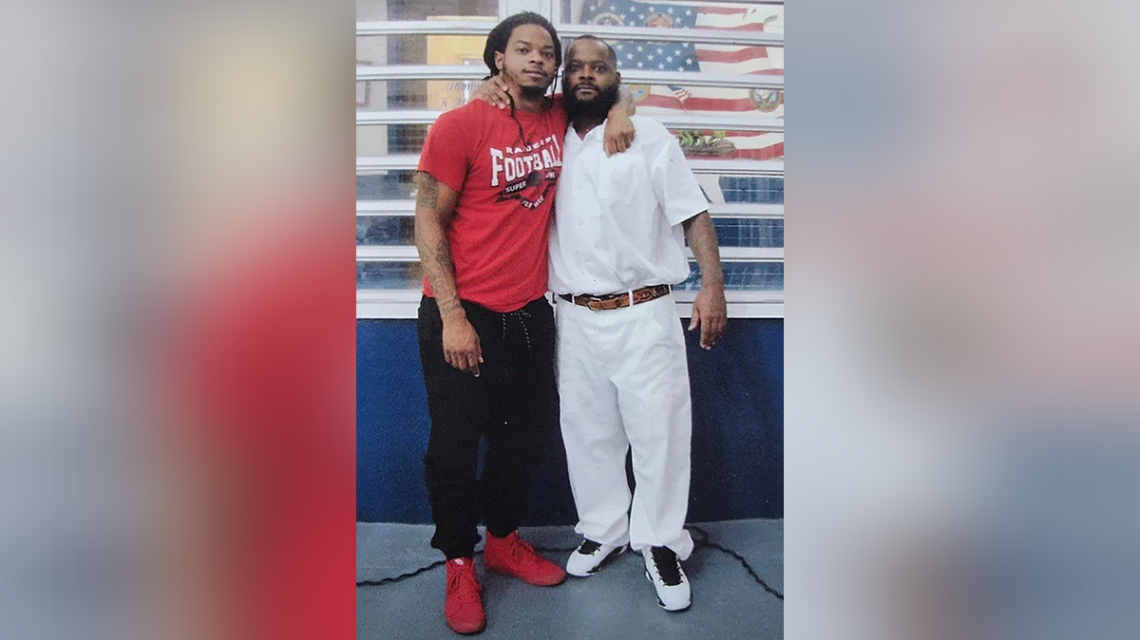
Recently, Alabama Governor Kay Ivey commuted the death sentence of Toforest Johnson to life in prison without parole. The decision came after concerns were raised by the current Jefferson County district attorney and several former judges and prosecutors. Johnson has maintained his innocence regarding the 1995 murder of Deputy Sheriff William Hardy. The case continues at Holman Correctional Facility.
Ivey expressed apprehension about the evidence supporting the conviction. She noted the lack of direct evidence as a reason for her decision, emphasizing that her action does not imply Johnson’s innocence. Since taking office in 2017, Ivey has commuted the death sentences of three inmates. She has also overseen 27 executions but is term-limited and will leave office in January.
Alabama Attorney General Steve Marshall had previously urged Governor Ivey to honor the jury’s verdict and uphold the court’s ruling. Despite this, Ivey decided to grant clemency. Johnson revealed he was on the opposite side of Birmingham when Hardy was killed, sparking debates about the strength of the prosecution’s case.
Legal battles have persisted for years as Johnson’s lawyers attempt to secure a new trial. They believe the initial conviction was flawed and have received support from various prominent legal figures and celebrities. Among the supporters are former prosecutor Bill Baxley and several retired chief justices from the Alabama Supreme Court.
Newly elected Jefferson County District Attorney Danny Carr has joined the call for reassessing Johnson’s case. In 2024, Carr highlighted the weakening evidence, pointing out credible alibi witnesses that challenge the original testimony. Doubts arose regarding the key prosecution witness, who claimed to have overheard Johnston’s confession via a phone call. Allegations surfaced that the witness received incentives for her testimony, raising questions about the fairness of the trial.
This evolving legal landscape underscores ongoing discussions about the death penalty in the United States. Calls for reform and scrutiny continue as the nation evaluates the complex balance of justice and morality.