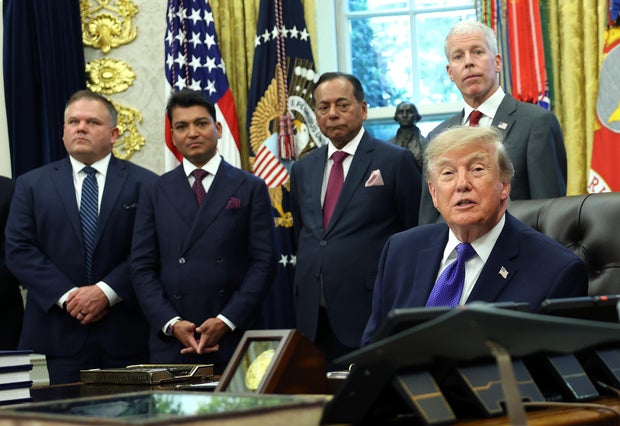
On October 3, 2026, Iowa found itself at the center of a significant political and economic development. President Trump announced the construction of the largest steel plant in U.S. history in Iowa, promising $15 billion in investment, 1,750 permanent jobs, and about 6,000 construction jobs. The announcement came unexpectedly, surprising many lawmakers who were soon tasked with approving $1.36 billion in tax incentives for Mesabi Metallics, owned by the Indian conglomerate Essar Group.
Swift Legislative Action
The Iowa statehouse witnessed swift movements as lawmakers rushed through a special session. Protesters at the statehouse, carrying signs like “No Steel Steal!”, voiced their concerns. The Iowa House passed the incentives 75-17, and the Senate followed with a 28-19 vote. Governor Kim Reynolds signed it into law, emphasizing the urgency driven by the promise of significant job creation.
Incentives Debate
The tax incentives, offering $777,000 in credits per permanent job over ten years, stirred debates. While proponents focused on job creation, opponents expressed concerns over temporary construction jobs and the hefty cost. Many farmers and Iowans questioned the benefit of offering over a billion dollars in incentives to a foreign-owned entity, particularly with an economic crunch affecting local agriculture.
Why Iowa?
Iowa is not known for its steel industry. The choice of location has raised eyebrows, considering the state lacks commercial iron ore and has only a couple of small scrap-fed steel mills. Despite Minnesota-based Mesabi Metallics citing logistical advantages, political factors play a significant role. Iowa’s tightly contested congressional races make it strategic for gaining political leverage.
Mesabi Metallics’ History
Essar Group and its subsidiary Mesabi Metallics have a history of unfulfilled promises and financial hurdles. The company’s prior projects, like the proposed iron ore mine in Minnesota, failed to materialize, with Essar Steel Minnesota filing for bankruptcy in 2016. Despite restructuring and financial backing from Russia’s VTB bank, skepticism remains.
Political Complexities
Iowa’s lawmakers navigate challenging political waters. Republican State Senator Kevin Alons expressed the rushed nature of the incentives approval, yet voted in favor ultimately. Others, like State Senator Dave Sires, opposed the measure, citing the hurried process and fear of a budget crunch.
Republican and Democratic leaders attempt to balance economic promises with fiscal responsibility. Gubernatorial candidate Zach Lahn argued for the steel plant’s potential as an exception to typical corporate handouts. Democratic nominee Rob Sand sought more details before supporting the plan.
Implications for Iowa’s Future
Iowa faces a pivotal moment as early voting approaches. The decision on the steel plant raises questions about economic priorities and political strategies. The tax credits hinge on the plant’s operational status by 2030, making immediate benefits uncertain.
“If it’s a good deal now, it will be a good deal in January when due diligence has been done.” – Iowa Senate Democratic Leader Janice Weiner
Iowa’s voters will soon decide if the incentives were worth the promise, not merely focusing on the steel mill’s potential benefits but considering the broader implications for the state’s economy and governance.
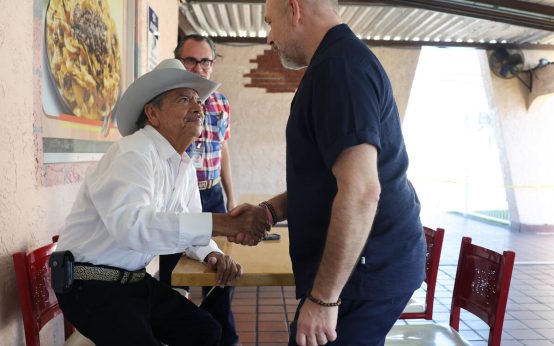 Steve Hilton’s Latino Outreach and Gubernatorial Ambitions
 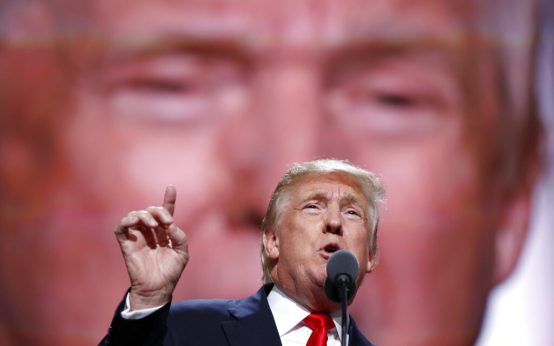 The Need for Reform in Presidential Nominations
 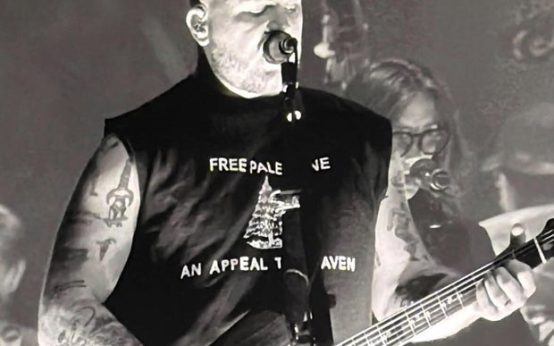 Controversy Surrounds Performances at Gillette Stadium
  Celebrity Controversies Over Political Activism and Speech
  Trump Pushes for Permanent Daylight Saving Time, Sharing Senator’s Contact Information
  Tucker Carlson’s Comments on Britain’s WWII Decision Ignite Controversy