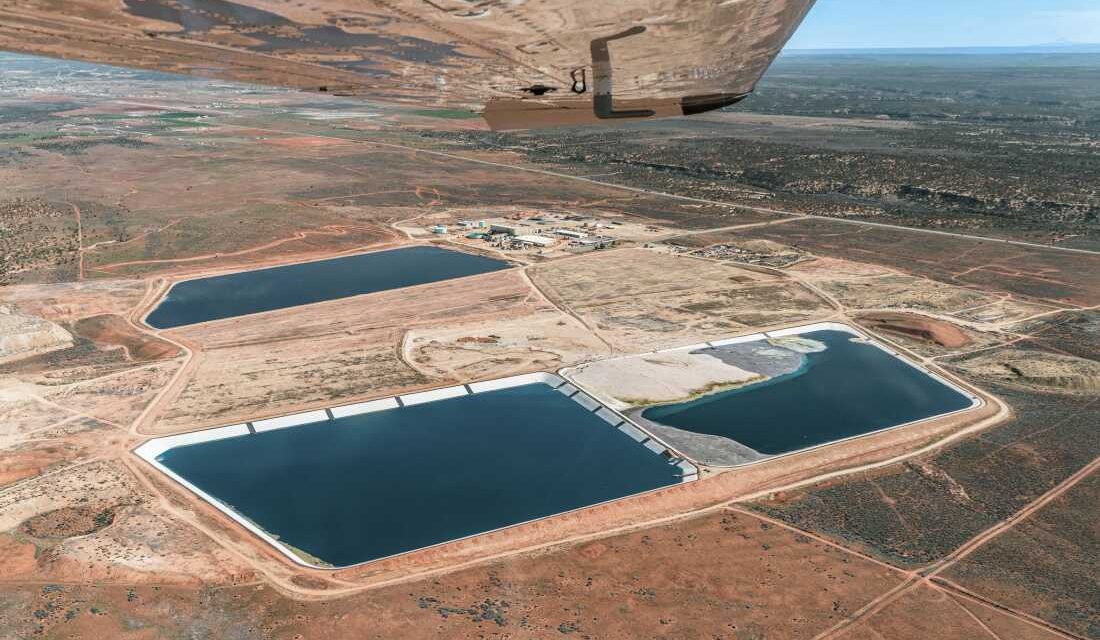
At the White Mesa Mill in Blanding, Utah, radioactive waste is stored in five tailings cells spanning 284 acres. Concerns about contamination from the uranium mill have sparked debates over potential health risks. The mill, the only conventional uranium mill in the U.S., produces yellowcake for nuclear power.
Local Community Concerns
Members of the White Mesa Ute Community, including Malcolm Lehi, worry about uranium contamination threatening their water and health. Despite assurances from state regulators and the mill’s owners that pollution is contained, many residents use bottled water instead of local supplies.
The urgency has increased as the U.S. pushes to revive uranium production. A 2024 law will ban Russian uranium imports by 2028, boosting domestic uranium demands. Former President Trump’s goals include increasing nuclear energy capacity, leading to rapid project approvals, such as Utah’s Velvet-Wood mine.
Tribal Tensions
Built in 1980, the White Mesa Mill is central to the renewed uranium interest. Increased demand has resulted in more trucks delivering uranium ore, affecting the Havasupai and Ute Mountain Ute tribes. Both tribes fear that wastewater may contaminate drinking water.
Yolanda Badback, a community advocate, highlights concerns over the mill’s activities. The mill processes regional uranium ore and international radioactive waste. While the mill boasts potential job increases, tribal members remain cautious. Previous uranium booms have left a legacy of health problems and environmental damage.
Skepticism and Health Concerns
Despite reassurances of safety, tribal members distrust the mill. Historic uranium mining left many with health issues, especially among the Navajo. The mill’s management claims safer current operations, but local testimony about water quality contradicts those assurances.
Increased scrutiny of the mill’s effects has stemmed from the Environmental Protection Agency’s findings of non-compliance with the Clean Air Act. Although corrections were made, local unease continues over air quality and potential health effects, like cancer and asthma.
Protecting Water Sources
Malcolm Lehi continues to seek out Entrance Spring, a significant site for the Ute Mountain Ute Tribe. The spring serves as an indicator of potential contamination from the mill. An EPA report previously linked elevated radionuclides to the mill’s activities.
State and tribal officials monitor these and other water sources for contamination signs. The community remains steadfast in its commitment to protecting its land and resources. Lehi advocates for preserving the environment for future generations, reaffirming the cultural significance of water to his people.
“Water is life,” Lehi said. “It’s where we all began.”
This report received support from The Water Desk, an initiative at the University of Colorado-Boulder’s Center for Environmental Journalism. KFF Health News provided additional insights into health-related issues.
 Atlantic Ends September Without a Hurricane for First Time Since 1994
  Bobcat Sightings and Conservation Efforts in Illinois
  2026 El Niño: A Historical Comparison and Future Projections
  U.S. Records Warmest September in History
  Swiss Glaciers Show Effects of Ice Loss Amid Global Warming
  Climate-Resistant Rock Glaciers: Hidden Water Resources