
Congress is currently reviewing a supplemental funding bill intended to tackle urgent defense requirements. Within President Donald Trump’s proposal lies a contentious $1 billion allocation aimed at the pension fund of an auto parts company that declared bankruptcy 21 years earlier.
The company in question, formerly a major supplier to the automotive industry, had its manufacturing plant in Dayton, Ohio. The plant, which was once a bustling hub of industrial activity, now serves as a desolate reminder of past economic challenges. Over time, the parking lot has become overrun with weeds, symbolizing the long-standing neglect and financial turmoil faced by the company.
Critics of the $1 billion bailout argue that this financial relief is unwarranted and represents an inappropriate use of defense funds. They suggest that the resources could be better allocated towards more pressing defense needs or other national priorities.
As Congress deliberates this spending request, the debate highlights the ongoing tension between addressing immediate defense concerns and managing financial aid for industries with long-past economic woes. Lawmakers are faced with the challenge of ensuring that defense funding is both effective and judiciously allocated.
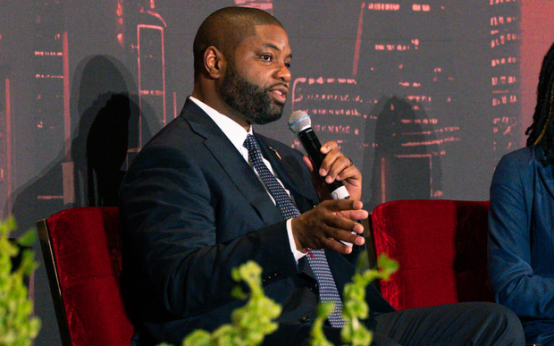 Byron Donalds Targets Black Voters in Florida Governor Race
  Brazil’s Presidential Race Heads to Runoff
  Sen. Thom Tillis Criticizes Trump’s Administration in New Book
 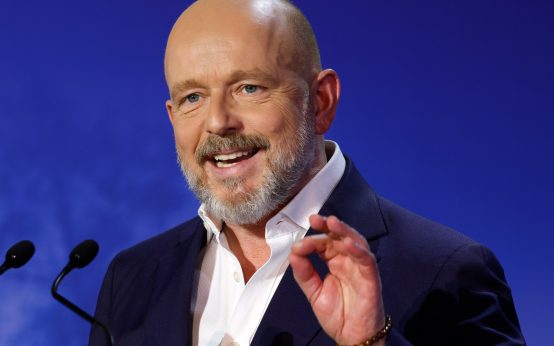 Controversy Surrounds Steve Hilton’s Campaign Ad Amid Gubernatorial Race
 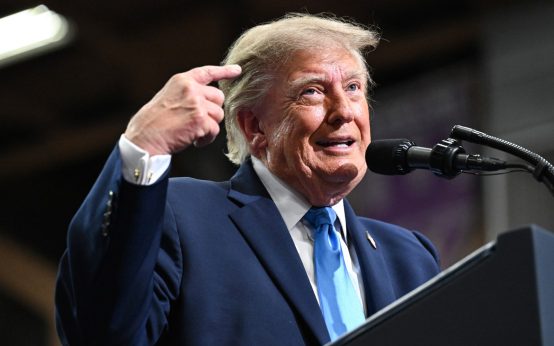 Trump Calls for Probe into Alleged ‘Paid Protesters’
 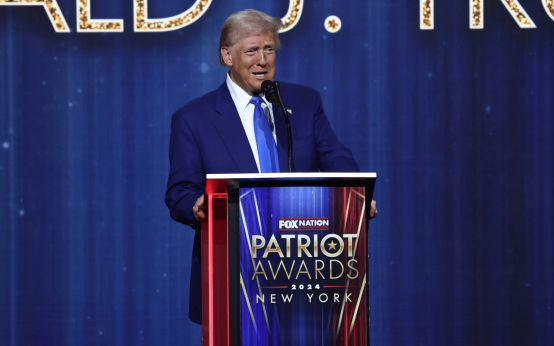 Donald Trump Criticizes Fox News for Rally Coverage