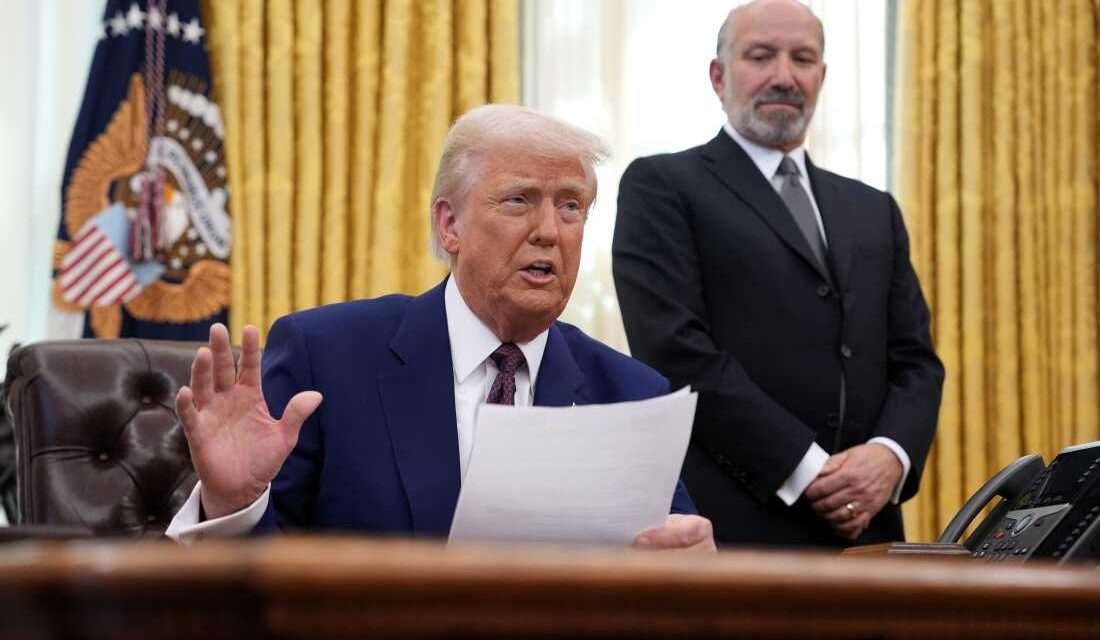
President Trump spoke in the Oval Office of the White House in 2025 alongside Commerce Secretary Howard Lutnick, who oversees the Census Bureau. Trump used a report from the Census Bureau to support claims of widespread illegal voting by non-U.S. citizens. An NPR investigation revealed connections between the report and the America First Policy Institute, a think tank aligned with Trump.
Trump claimed the report showed over 24,000 noncitizens voted illegally in the 2020 presidential election, with more numbers expected after additional records are analyzed. The seven-page report referenced voter files and federal records, but experts criticized its methodology.
The report did not involve career civil servants from the Census Bureau, with contributors from Trump’s first administration think tank. A bureau employee, who remained anonymous due to fear of retaliation, said work was influenced by the America First Policy Institute.
Officials from the Census Bureau, America First Policy Institute, and the White House did not comment. AFPI defended the report, promoting transparency to restore election trust. Critics, however, labeled it as another effort to perpetuate unfounded voter fraud claims.
Recently, similar figures surfaced from the Trump administration, using disputed methodologies to quantify supposed noncitizen voting. Studies consistently show such voting is rare. Last month, the Department of Homeland Security reported finding 250,000 noncitizens on voter rolls, yet the accuracy of these claims faced skepticism.
Experts challenged the Census Bureau report’s validity. David Becker, from the Center for Election Innovation & Research, called the analysis laughable due to unreliable matching of Census and voter data. He noted the claimed number of noncitizen votes, around 0.02% of total votes, couldn’t alter the election outcome. Michael Morse from the University of Pennsylvania highlighted problems with data matching and lack of unique identifiers in voter records.
Former Census Bureau employees warned the report could damage the agency’s reputation. Misty Heggeness noted the absence of an author, which is atypical for bureau reports, implying lack of usual rigorous data checks. Amy O’Hara, former chief at the bureau, expressed concerns about mismatched voter files inflating noncitizen voter counts.
O’Hara questioned claims about the Census Bureau’s capability to document election fraud, noting data anomalies don’t equate to fraud. The report follows a workforce reduction at the bureau, hinting at upcoming changes to the 2030 census, likely leading to political and legal challenges.
O’Hara stated concerns that undermining the bureau could impact national participation in future censuses. The report’s title implied more similar reports might follow, possibly exacerbating public mistrust in official data.
Heggeness urged public vigilance, stressing skepticism towards data lacking transparency, proper sourcing, and method explanations. The current informational climate poses challenges for public trust in data from the administration.
 Sen. Cotton Opposes Permanent Daylight Saving Time
 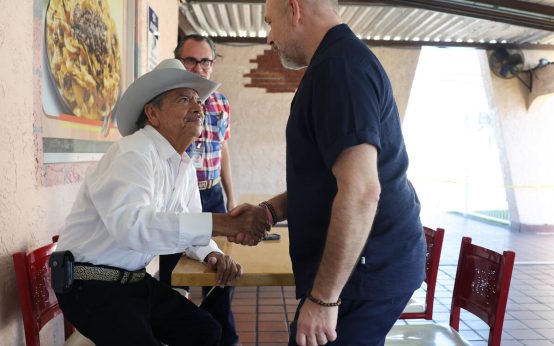 Steve Hilton’s Latino Outreach and Gubernatorial Ambitions
  The Need for Reform in Presidential Nominations
  Controversy Surrounds Performances at Gillette Stadium
  Celebrity Controversies Over Political Activism and Speech
  Trump Pushes for Permanent Daylight Saving Time, Sharing Senator’s Contact Information