
On December 3, 2026, the U.S. government plans to execute Nidal Hasan by firing squad at Fort Hood. This decision comes after his conviction for the 2009 massacre, where he killed 13 people and injured 32 others.
The planned livestream of Hasan’s execution transforms this into a provocative issue. How should a nation handle executing a mass murderer?
Survivor’s Perspective
Alonzo Lunsford, a survivor who was shot seven times by Hasan, has mixed feelings. He supports the execution and intends to witness it. Yet, he worries the spectacle could undermine the solemnity of punishment.
Lunsford forgives Hasan for spiritual reasons, but believes forgiveness does not mean avoiding justice. He discourages treating the event as entertainment.
Execution’s Controversial Nature
Some officials, like War Secretary Pete Hegseth, say the public should see the consequences of Hasan’s actions. Others express concerns.
Vice President JD Vance doubts the Pentagon will broadcast the execution. Republican figures oppose livestreaming, although they agree with the death sentence.
Rep. Austin Scott highlights that livestreaming resembles practices in oppressive regimes, while Sen. Thom Tillis calls it “beyond disgusting.”
Ethical and Security Concerns
The nation’s Catholic bishops condemn both the execution and its public nature. They argue it promotes a “culture of death.”
National security experts warn that such footage could aid terrorist propaganda. Matthew Levitt suggests it could become material for radicalization.
Personal Closure
For Lunsford, the decision is deeply personal. He plans to confront Hasan during the execution, wanting him to acknowledge his failure and repent.
Despite the loss and pain caused by Hasan, Lunsford seeks closure. He hopes Hasan uses his final moments to apologize and atone for his crimes.
 Virginia’s History of Disenfranchisement Ruled Unlawful
 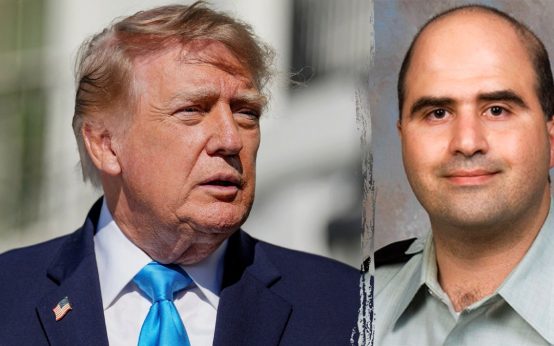 Decision Pending on Livestreaming Execution of Fort Hood Gunman Nidal Malik Hasan
 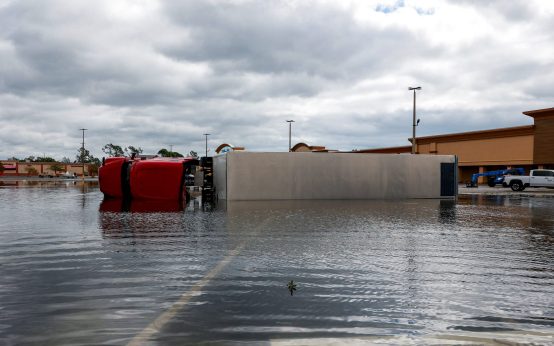 Severe Weather Impact Across United States and Mexico
  D.C. Official Dies in Scooter Collision
 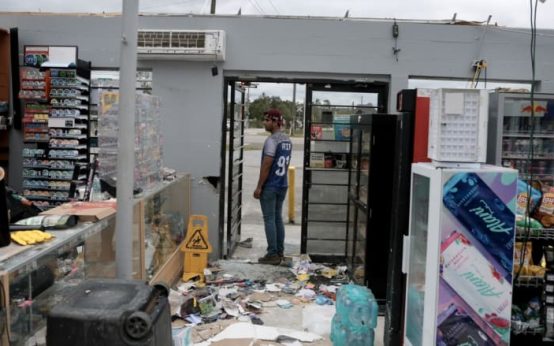 Hurricane Isaias Causes Destruction Across the Southeast
 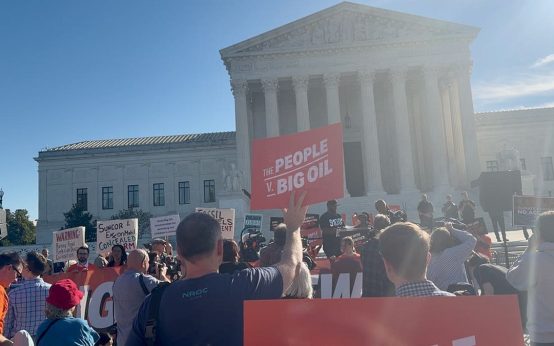 Supreme Court Climate Lawsuits Pose Financial Risks to Oil Companies