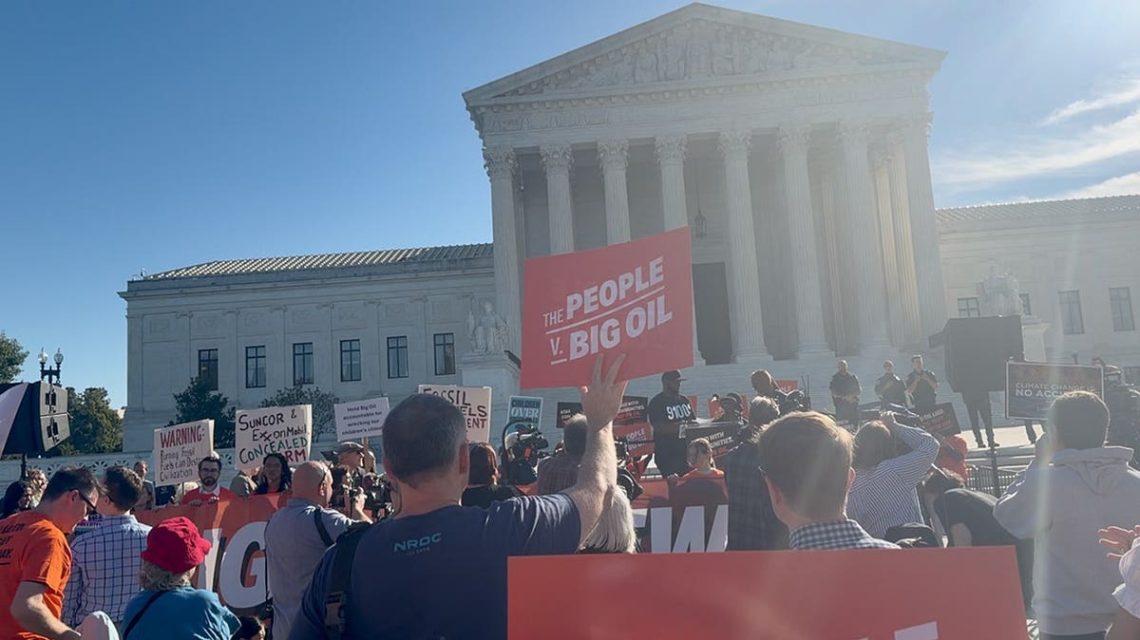
The Supreme Court is currently considering a crucial case regarding climate change lawsuits that could have significant effects on the oil industry and consumers. Legal experts warn that if cities and states are allowed to pursue massive damages against fossil fuel companies, it could lead to bankruptcies among oil firms, economic strain on gas stations, and higher fuel prices for Americans.
During the recent hearings in the case of Suncor v. Boulder, Justice Clarence Thomas engaged Boulder’s attorney, Kevin Russell, in discussions about the extensive reach of the legal theory behind the lawsuit. Justice Brett Kavanaugh also expressed concerns, noting that a surge in such litigations could potentially lead defendants, including companies beyond the oil industry, to financial collapse.
The city and county of Boulder, Colorado, initiated a lawsuit in 2018 against ExxonMobil and Suncor Energy. They accuse these companies of significantly contributing to climate change while misleading the public on the dangers of fossil fuels. The city seeks financial compensation to offset climate-related damages. This is one of approximately 30 similar lawsuits in the U.S., such as those in Portland and Baltimore.
Boulder’s lawsuit cites internal documents from ExxonMobil, such as a 1977 memo acknowledging the role of fossil fuels in rising CO2 levels. The city argues that the case seeks to hold companies accountable under state law without aiming to influence national climate policy.
Legal challenges to these lawsuits argue they act as indirect carbon taxes due to their substantial financial implications for companies. The Alliance for Consumers’ executive director, O.H. Skinner, criticizes the tactic as a court-based effort to achieve policy goals not accomplished through legislation.
Jason Isaac from the American Energy Institute cautioned that a ruling in favor of Boulder could unleash numerous similar lawsuits across thousands of U.S. jurisdictions, leading to increased costs for consumers due to the high expense of defending against these cases.
The defendants, ExxonMobil and Suncor, argue that responsibility for greenhouse gas emissions cannot be confined to state borders, advocating for these disputes to be governed by federal law due to the global nature of emissions.
Several states, like Utah, have banned these types of lawsuits. Utah Attorney General Derek Brown warns that unfavorable results for energy firms could substantially increase fuel costs nationwide, stressing that decisions of this scale should fall under congressional jurisdiction.
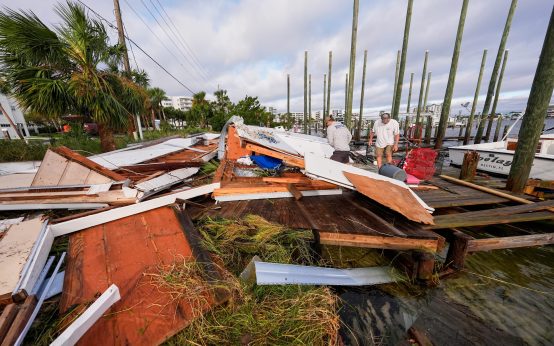 Impact and Aftermath of Hurricane Isaias Across Florida and Beyond
 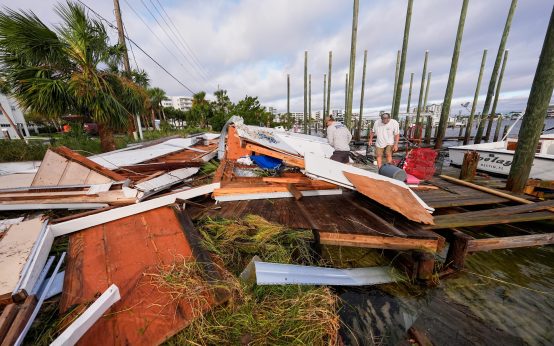 Hurricane Isaias Causes Severe Damage Across Florida and Alabama
  Coastal Flooding Impacts Southern California as Tropical Storm Rachel Approaches
  Hurricane Isaias Wreaks Havoc Across Southern U.S.
  Hurricane Isaias: Widespread Impact on the Southeast
  Israeli Medical Advancements in Battlefield Medicine