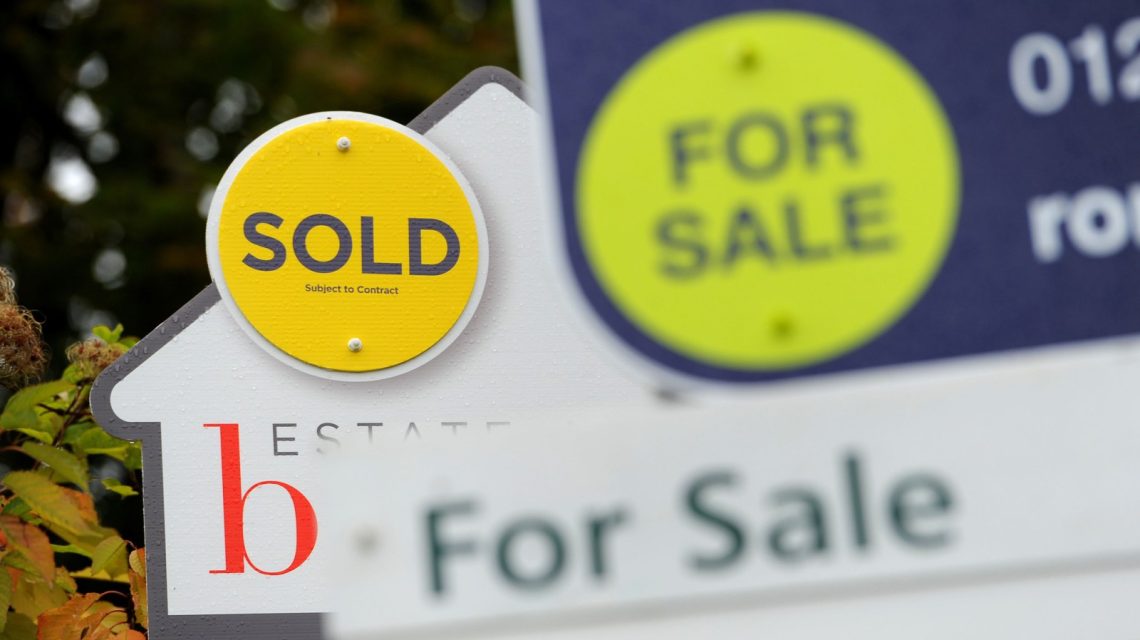
Mortgage rates have surpassed 6.5 percent, leading to a continued decline in existing-home sales. This trend reflects the growing challenge of home affordability for many Americans. Recent data from the National Association of Realtors (NAR) shows a 1.7 percent decrease in sales of existing single-family homes, townhomes, condos, and co-ops in July compared to June, despite a modest 0.7 percent increase from the previous year. Overall, 4.06 million existing homes were sold in July.
This downturn in home sales comes as a surprise to housing experts, who anticipated a revival in 2026. They expected mortgage rates would drop below 6 percent, and home price growth would slow enough for wages to catch up. However, July marked the 37th consecutive month of year-over-year increases in home prices, with the median sales price reaching $434,100, according to NAR.
Mortgage rates have been on an upward trajectory, with the 30-year fixed-rate mortgage averaging 6.69 percent last week. This marks the fifth consecutive week of increases, rising from 6.43 percent to 6.66 percent throughout July. Consequently, many potential buyers remain hesitant, preventing a resurgence in home sales.
America’s Regional Housing Divide: Winners and Losers
The U.S. housing market exhibits a marked regional divide. Southern states, led by Florida and Texas, have experienced a significant rebound in inventory, while supply shortages persist in the Northeast and Midwest. The Northeast has shown particularly strong demand, making it the only region where existing-home sales increased in July, rising 2 percent from June, despite a 5.2 percent price surge.
Conversely, the Midwest saw a 2 percent drop in sales compared to June. Nonetheless, its affordability continues to attract buyers, with a median home price of $342,900, up 2.8 percent year-over-year. Sales rose by 2.1 percent from the previous year.
NAR’s chief economist Lawrence Yun noted, “An annual household income of $60,000 is enough to buy a median-priced home in smaller cities and the Midwest.”
In the South, existing-home sales dropped 3.1 percent from June to an annual rate of 1.86 million, remaining unchanged from the previous year. The median home price rose 0.9 percent year-over-year to $371,700.
The West, known for its higher costs, faced struggles as well. Although sales remained steady from June at an annual rate of 730,000, they increased 1.4 percent compared to the previous year. The median price of a home rose to $622,200, up 0.2 percent year-over-year.
Future Prospects
The housing market remains stagnant due to the absence of predicted affordability improvements. Buyers are now in a better position as sellers reduce their asking prices. However, the future of sales largely hinges on mortgage rate trends. Yun remains optimistic, stating, “There’s no doubt the housing market would be thriving if average mortgage rates were to return near 6 percent.”
 Navigating Los Angeles Real Estate on a Budget
  Mortgage Rates Return Above 7% After Twenty Months
  Inland Empire Grapples with Growing Housing Affordability Concerns
  Challenges in Los Angeles’ Multifamily Housing Market
 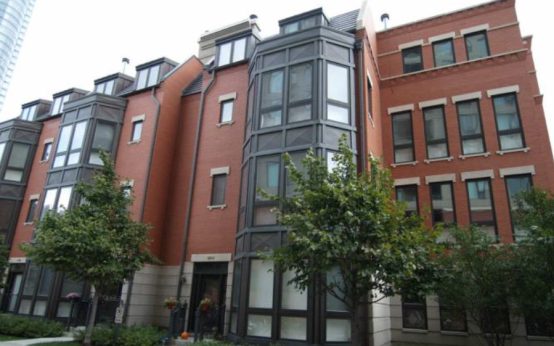 Jevon Carter Sells Chicago Town Home
 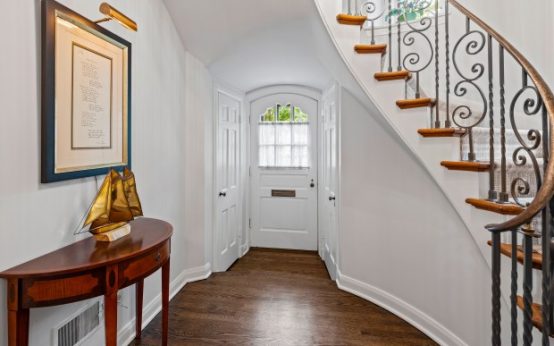 Charming River Forest Home With Custom Features